
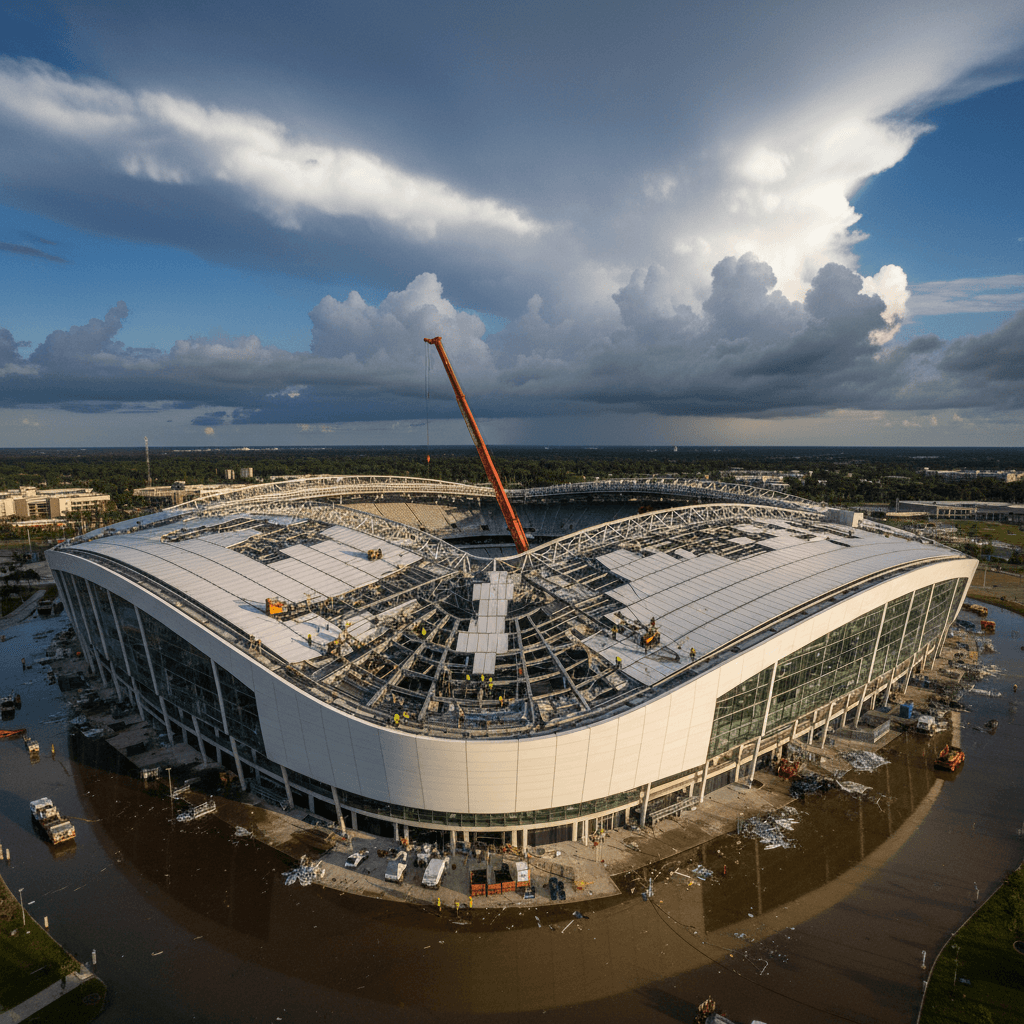
Hurricane Milton & The Unyielding Reality of Florida Storms
Here in Florida, we live in a paradise, but we also live with hurricanes. It’s a fact of life. When a major storm like Hurricane Milton barrels through, everyone takes a hit, from the smallest home to the biggest structures. We just saw news about the significant roof repairs underway at Tropicana Field after the hurricane, and believe me, it’s a stark reminder that no property is immune to Mother Nature’s fury. If a massive, commercial structure built to withstand a beating can suffer extensive roof damage, what does that mean for your home or business?
As someone who’s been in the trenches of disaster recovery for decades, I can tell you that the principles of preparing for and recovering from storm damage are the same, whether you're talking about a multi-million dollar stadium or a family home in Pinellas County. It all comes down to understanding the risks, acting fast, and knowing how to navigate the recovery process effectively.
Understanding Hurricane Roof Damage in Florida
When a hurricane hits Florida, it's not just about the wind. Sure, wind damage is often the most visible culprit, tearing off shingles, ripping away flashing, and exposing your roof's underlayment. We've seen tropical storms with sustained winds that peel back entire sections of roofing like a tin can. But then there's the relentless rain, which finds every tiny opening created by the wind. And let's not forget the debris – flying branches, loose outdoor furniture, even parts of other structures can become projectiles, causing direct impact damage to your roof structure and materials.
In our experience, water intrusion is often the most insidious type of damage. It can seep into your attic, saturate insulation, damage ceilings, and even create conditions ripe for mold growth – a costly problem that can develop quickly in Florida's humidity. This is why addressing roof damage immediately isn't just about stopping a leak; it's about preventing a cascade of secondary issues that can compromise your property's structural integrity and your family's health.
The Immediate Aftermath: What to Do First
When the storm clears and it's safe to assess the damage, your first priority should always be safety. Stay clear of downed power lines and obvious structural hazards. Once safe, you need a professional assessment. We've seen countless homeowners try to 'patch' things up themselves, only to find the problem was far worse than it looked. A thorough, expert inspection is non-negotiable.
At Krüger Disaster Recovery, we're on the ground right after a storm because we know that time is of the essence. Our teams are trained to identify not just the obvious damage, but the hidden issues that an untrained eye might miss. This detailed inspection is crucial for the next, equally important step: dealing with your insurance company.
Navigating Your Insurance Claim: Your Ally in Recovery
Dealing with insurance after storm damage can feel like another storm entirely. Your policy is a contract, and understanding its nuances is key. Here in Florida, especially with hurricane damage, specific deductibles and clauses can apply. This is where having an experienced partner like us makes all the difference.
- Document Everything: Take photos and videos of all damage before any temporary repairs. This creates a clear record for your claim.
- Contact Your Insurer Promptly: Don't delay. The sooner you file, the sooner the process can begin.
- Get a Professional Estimate: While your insurance adjuster will conduct their own assessment, having a detailed, independent estimate from a reputable contractor like Krüger provides a clear scope of work and helps ensure you receive a fair payout to restore your property properly. We work directly with adjusters, speaking their language and making sure they see the full extent of the damage.
- Understand Your Policy: Know your deductibles, coverage limits, and what's excluded. For example, some policies differentiate between wind damage and flood damage, requiring separate claims. The Florida Department of Financial Services offers resources to help consumers understand their rights and options.
We don't just fix roofs; we help manage the entire recovery process, advocating for you with your insurance company. We've seen how adjusters work, and we know what kind of documentation and evidence is needed to support a comprehensive claim. Our goal is to ensure you get what you're entitled to under your policy so your property can be fully restored to pre-storm conditions, or even better, built back with enhanced resilience against future storms, adhering to the latest Florida Building Code standards.
Emergency Roof Repair & Long-Term Solutions
Once damage is assessed and the insurance process is underway, immediate action is often needed for emergency roof repair. This means tarping off damaged areas to prevent further water intrusion, a critical step that protects the interior of your home or business. Failing to do this quickly can turn a repair job into a much larger, more expensive renovation due to mold and extensive interior damage.
When it comes to permanent solutions, it’s not always about just patching things up. Depending on the extent of the damage, the age of your existing roof, and current building codes, a full roof replacement might be the smartest and most cost-effective long-term solution. A new roof, installed correctly with high-quality materials designed for Florida's climate (think durable asphalt shingles, metal roofing, or tile), offers superior protection and peace of mind for decades to come. We often recommend materials and installation techniques that go above and beyond minimum code requirements to give our clients the best protection.
Protecting Your Investment: Proactive Steps
While we can't stop hurricanes, we can certainly be better prepared. Regular roof inspections, especially before hurricane season, are invaluable. Trimming trees, clearing gutters, and ensuring your existing roof is in good condition can reduce your vulnerability. Even a small repair before a storm can prevent catastrophic damage later.
Just as Tropicana Field is investing in robust repairs, every property owner in Florida should view their roof as a critical investment. It’s the first line of defense for everything you own.
Don't Wait Until the Next Storm Hits
The lessons from Tropicana Field's roof repairs are clear: storm damage is real, it's often extensive, and dealing with it requires expertise and prompt action. Don't let your property be caught off guard. If you suspect storm damage or simply want peace of mind, it’s always best to get a professional to take a look.
If Hurricane Milton or any other recent weather event has left you wondering about the condition of your roof, don't hesitate. Give Krüger Disaster Recovery Team a call. We're here to provide a thorough, no-obligation inspection and guide you through every step of the recovery process, ensuring your property is safe, secure, and properly restored.

Written by
Gus Kruger
CEO at Krüger
Gus Kruger is the founder and CEO of Krüger Disaster Recovery Team, a Florida-based company specializing in emergency property protection, roofing, and fencing. Since 2016, Gus has built the company from a one-man roof tarp operation into a full-service team of 50+ professionals, serving over 30,000 properties across Florida and the Southeast U.S. A preferred vendor for major insurance carriers, BBB A+ rated, and licensed & insured, Gus leads Krüger with a hands-on approach rooted in fast response, honest work, and long-term property solutions.