
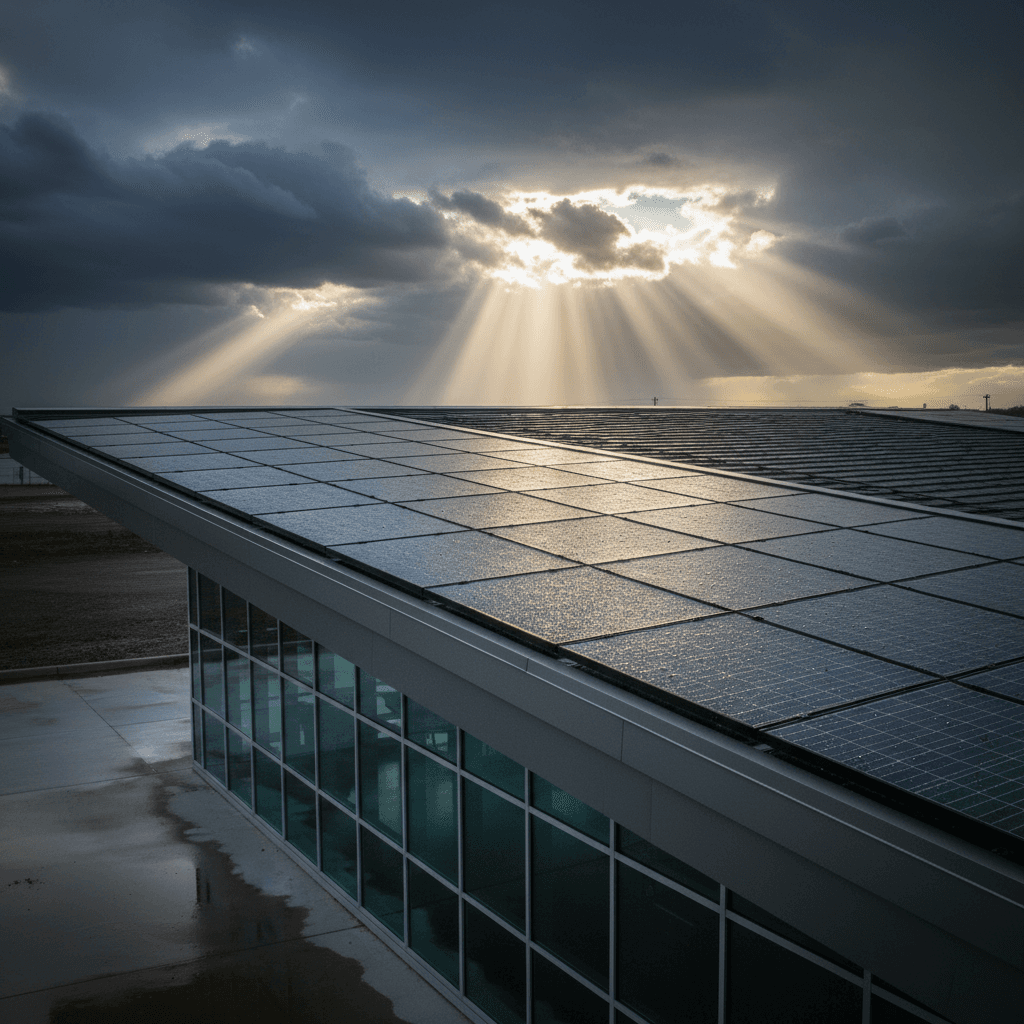
When Hurricanes Hit: Lessons from Tropicana Field's Roof
Down here in Florida, we know a thing or two about hurricanes. Every season, it's not a question of if a storm will hit, but when and where. And when it does, your roof is often the first line of defense. We saw a prime example of this recently with Tropicana Field, home to the Tampa Bay Rays. Even a massive structure like that isn't immune to the raw power of a Florida hurricane.
The news from Facilities Dive reported that Tropicana Field's hurricane-damaged roof was being repaired with fiberglass panels. This isn't just a story about a baseball stadium; it's a valuable lesson for every property owner in our state about the reality of roof damage after a storm and the importance of resilient repair solutions. It underscores what we at Krüger Disaster Recovery Team have seen hundreds of times: whether it's a massive dome or your family home, storms don't discriminate.
The Reality of Roof Damage After a Florida Storm
When a hurricane rolls through, your roof takes a beating. It's not always just a few missing shingles. The wind uplift can pull entire sections, flying debris can puncture membranes, and relentless rain can find its way into every crack and crevice. We've seen:
- Missing or lifted shingles: Strong winds can easily peel back shingles, exposing the underlying decking to water.
- Punctures and tears: Falling branches, signs, or even gravel from another roof can act like missiles, creating holes.
- Compromised flashing: The metal strips around chimneys, vents, and skylights are crucial for waterproofing. If they're bent or detached, leaks are inevitable.
- Hidden water damage: Often, the visible damage is just the tip of the iceberg. Water can seep into your attic, insulation, and walls, leading to mold, mildew, and structural rot – especially with Florida's humidity.
What makes the Tropicana Field story interesting is their choice of fiberglass panels for repair. This highlights a move towards more durable, weather-resistant materials designed to withstand the very conditions that caused the initial damage. For commercial properties especially, considering such robust materials can be a smart long-term investment, much like we often recommend specific high-wind-rated shingles or metal roofing for residential clients.
Your Immediate Action Plan After the Storm
When the storm passes, your first priority is safety. Once it's safe to venture out, here’s what you need to do for your roof:
- Assess from a Safe Distance: Don't climb on a damaged roof. Use binoculars or take photos from the ground to document any visible issues.
- Document Everything: Take clear photos and videos of all damage, both interior and exterior. This is critical for your insurance claim.
- Temporary Emergency Repairs: If there are active leaks, try to tarp off the affected area to prevent further water intrusion. This is a temporary fix, but it can save you from much worse damage. Always prioritize safety, and if you're not comfortable or equipped, call a professional for emergency tarping.
- Call a Reputable Local Contractor FIRST: Before you even call your insurance company, get a professional inspection from a local, trusted disaster recovery team. We can assess the full extent of the damage, identify hidden issues, and provide a detailed estimate. This puts you in a much stronger position when dealing with your insurance adjuster.
Navigating the Insurance Claim Process
This is where many property owners feel overwhelmed, but it doesn't have to be. We've worked with countless adjusters and insurance companies, and we know the process inside and out.
- Understand Your Policy: Know your deductible and what your policy covers. Hurricane deductibles in Florida can be substantial, often a percentage of your home's insured value, not a flat dollar amount.
- Our Role as Your Advocate: When you have us on your side, we speak their language. We'll present a comprehensive report, ensuring all damage is accounted for, and advocate for the proper scope of repairs or replacement needed to bring your property back to pre-loss condition – or even better, considering new Florida building codes.
- Be Patient but Persistent: Insurance claims can take time. Provide all requested documentation promptly, but don't hesitate to follow up.
For more general guidance on disaster preparedness and recovery, resources like the FEMA National Preparedness Month information can offer valuable insights, emphasizing planning and community resilience.
Florida Building Codes and Long-Term Protection
Any significant roof repair or replacement in Florida needs to comply with our rigorous building codes. These codes, constantly updated in response to our unique weather challenges, are designed to make your home or business more resilient against future storms. Ignoring codes or opting for quick, cheap fixes can lead to serious problems down the road:
- Mold and Health Issues: Hidden moisture from unaddressed leaks can quickly turn into mold, a serious health hazard in our humid climate.
- Structural Deterioration: Water damage can compromise the structural integrity of your home, leading to costly repairs.
- Insurance Complications: Future claims could be denied if previous repairs weren't up to code.
Choosing a contractor who understands and adheres strictly to the Florida Building Code is non-negotiable. It's not just about passing inspection; it's about protecting your investment and your family for years to come.
Don't Wait for the Next Storm
The story of Tropicana Field is a powerful reminder that vigilance is key. Don't wait until hurricane season is upon us to think about your roof. Regular maintenance and inspections can identify minor issues before they become major problems. A proactive approach saves you headaches and money in the long run.
If your property has weathered a storm, or if you just want peace of mind before the next one hits, don't hesitate. We’re here to help you navigate the aftermath of any disaster with clear, practical advice and real results.
Got questions about your roof or a recent storm? Give us a call. We’re always ready to offer a free, no-obligation inspection.

Written by
Gus Kruger
CEO at Krüger
Gus Kruger is the founder and CEO of Krüger Disaster Recovery Team, a Florida-based company specializing in emergency property protection, roofing, and fencing. Since 2016, Gus has built the company from a one-man roof tarp operation into a full-service team of 50+ professionals, serving over 30,000 properties across Florida and the Southeast U.S. A preferred vendor for major insurance carriers, BBB A+ rated, and licensed & insured, Gus leads Krüger with a hands-on approach rooted in fast response, honest work, and long-term property solutions.