
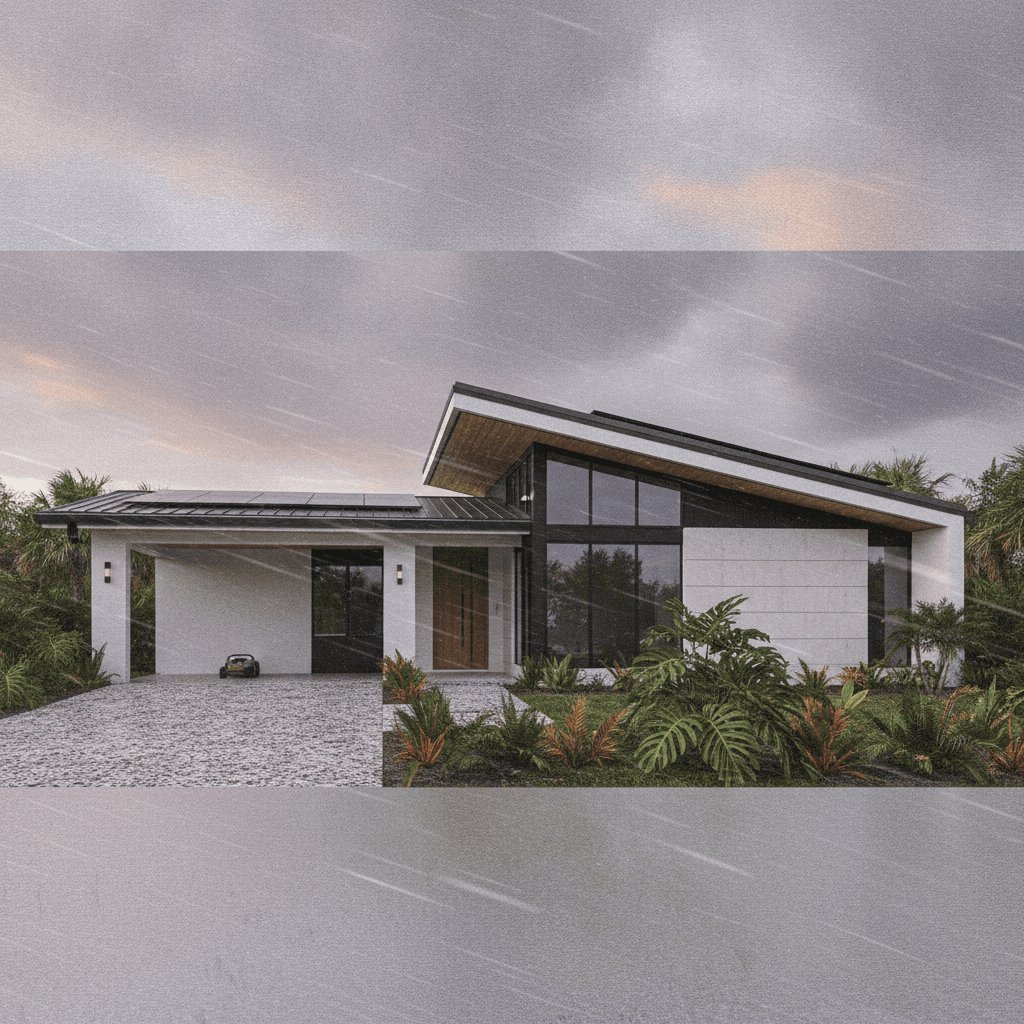
When the Wind Whispers, or Roars: Lessons from Tropical Storm Edouard
Here in Florida, we live in paradise, but that paradise comes with its share of challenges – chief among them being hurricane season. We just saw Tropical Storm Edouard make landfall in southwestern Louisiana as a 50-knot tropical storm, bringing with it significant wind and rain. Now, while Edouard spared our shores directly, every single tropical system that develops is a wake-up call for us Florida property owners. It’s a crucial reminder that we need to be prepared, vigilant, and understand what to do when the next named storm inevitably turns our way.
You see, folks often focus on the big, scary Category 3, 4, or 5 hurricanes. And don't get me wrong, those are devastating. But what Tropical Storm Edouard showed us is that even a lower-intensity system, a 'mere' tropical storm, can pack a serious punch. We've seen hundreds of homes and businesses here in Florida sustain significant damage from what were 'just' tropical storms. The winds, while not 'major hurricane' strength, are still powerful enough to tear off shingles, rip down fences, and send debris flying. And when you combine that wind with the torrential downpours typical of these systems, you've got a recipe for real trouble.
Understanding the Real Threat: Wind, Water, and Florida's Humidity
When a tropical storm or hurricane impacts Florida, the damage isn't always obvious at first glance. Sure, you might see a tree down or a fence gone, but the real silent killers are often hidden. Wind damage to your roof, even if it’s just a few lifted shingles, can lead to water intrusion. And once water gets into your attic or walls, especially with our infamous Florida humidity, you're looking at potential mold issues, structural damage, and a much bigger headache down the line.
We've walked through countless properties after storms, and the pattern is always the same: wind creates an opening, water finds its way in, and then time and humidity amplify the problem. That's why being proactive and understanding the common types of storm damage is crucial. The Insurance Information Institute confirms that wind and flood damage are among the most common and costly results of tropical cyclones.
Before the Storm: Your First Line of Defense
The best defense against storm damage is always preparation. This isn't just about boarding up windows; it's about a comprehensive strategy to protect your investment.
- Review Your Insurance Policy: Don't wait until a storm is bearing down on us. Understand your deductibles, especially for hurricane or windstorm damage. Know what's covered and what isn't. Take photos or videos of your property, inside and out, as a baseline before any damage occurs. This documentation is gold if you ever need to file a claim.
- Secure Your Property: Trim trees and remove any dead branches that could become projectiles. Clear out gutters and downspouts. Secure or store anything loose in your yard – patio furniture, grills, trash cans. Even small items can cause significant damage in high winds.
- Reinforce Openings: If you have hurricane shutters, make sure they're in good working order. If not, consider plywood cut to fit your windows and doors.
- Emergency Kit: Have a plan and a kit ready. This includes water, non-perishable food, flashlights, batteries, a first-aid kit, and important documents. NOAA's National Hurricane Center provides excellent resources for creating a family emergency plan.
When the Storm Passes: What to Do Next
Once the immediate danger has passed, your focus shifts from preparation to recovery. This phase is critical, and making the right moves can save you a lot of grief and money.
Safety First, Always
Before you even think about assessing damage, ensure your property is safe. Watch out for downed power lines, gas leaks, and weakened structures. If you suspect any immediate danger, call emergency services and evacuate.
Document, Document, Document
This is where those pre-storm photos come in handy. As soon as it's safe, document all damage extensively. Take clear photos and videos from multiple angles. Get close-ups of specific damage and wider shots to show the overall impact. This detailed evidence will be crucial when you file your insurance claim. We've seen firsthand how important good documentation is for a smooth claims process.
Contact Your Insurance Company Promptly
The sooner you report your claim, the better. Your insurance company will send an adjuster to assess the damage. This is where having a trusted partner like Krüger Disaster Recovery Team can make a world of difference. We work with adjusters every day and understand what they need to see and how to present your claim effectively.
Temporary Repairs: Mitigating Further Damage
You have a responsibility to prevent further damage to your property. This might mean tarping a damaged roof, boarding up broken windows, or extracting standing water. Keep receipts for any materials or services used for these temporary repairs, as they may be reimbursable by your insurance.
Navigating the Insurance Claim Process with Confidence
Dealing with insurance companies can feel like a maze, especially when you're already stressed about property damage. This is where our experience truly shines. We understand the nuances of Florida insurance claims and advocate for you, the property owner.
- Damage Assessment: We provide thorough, professional damage assessments, often identifying issues that might be overlooked by an initial adjuster's quick look. This includes identifying water intrusion pathways and potential for mold, which can develop rapidly in Florida's climate if not addressed quickly.
- Estimates and Negotiations: We prepare detailed estimates for repairs, ensuring they align with current market rates and the strict Florida Building Code requirements. We then work directly with your insurance company, negotiating on your behalf to ensure you receive a fair settlement that covers the full scope of repairs needed.
- Avoiding Secondary Damage: Fast, proper remediation is key, particularly in Florida. Our humid climate means that water damage can quickly lead to mold growth, which then complicates the claim and increases repair costs. Prompt action, guided by experts, can save you from these secondary nightmares.
Remember, your insurance company has a team of experts looking out for their interests. You deserve to have experienced professionals looking out for yours. Ready.gov's Hurricane Preparedness Guide emphasizes the importance of understanding your insurance and knowing who to call.
Your Florida Property Deserves the Best Protection
Every hurricane season is a test, and every tropical storm, like Edouard, is a reminder that we live in a unique environment with unique challenges. At Krüger Disaster Recovery Team, we're not just contractors; we're your neighbors, deeply rooted in Florida, and committed to protecting our community's properties. We've built our reputation on real results, hustle, and making sure our clients are taken care of, from the initial damage assessment to the final nail.
Don't wait for the next storm to hit to realize you're unprepared. If you're concerned about your property's readiness for hurricane season, or if you've recently experienced damage and need guidance, reach out. We're always here to offer a free inspection and straightforward advice, helping you navigate the complexities of storm recovery with confidence.

Written by
Gus Kruger
CEO at Krüger
Gus Kruger is the founder and CEO of Krüger Disaster Recovery Team, a Florida-based company specializing in emergency property protection, roofing, and fencing. Since 2016, Gus has built the company from a one-man roof tarp operation into a full-service team of 50+ professionals, serving over 30,000 properties across Florida and the Southeast U.S. A preferred vendor for major insurance carriers, BBB A+ rated, and licensed & insured, Gus leads Krüger with a hands-on approach rooted in fast response, honest work, and long-term property solutions.