
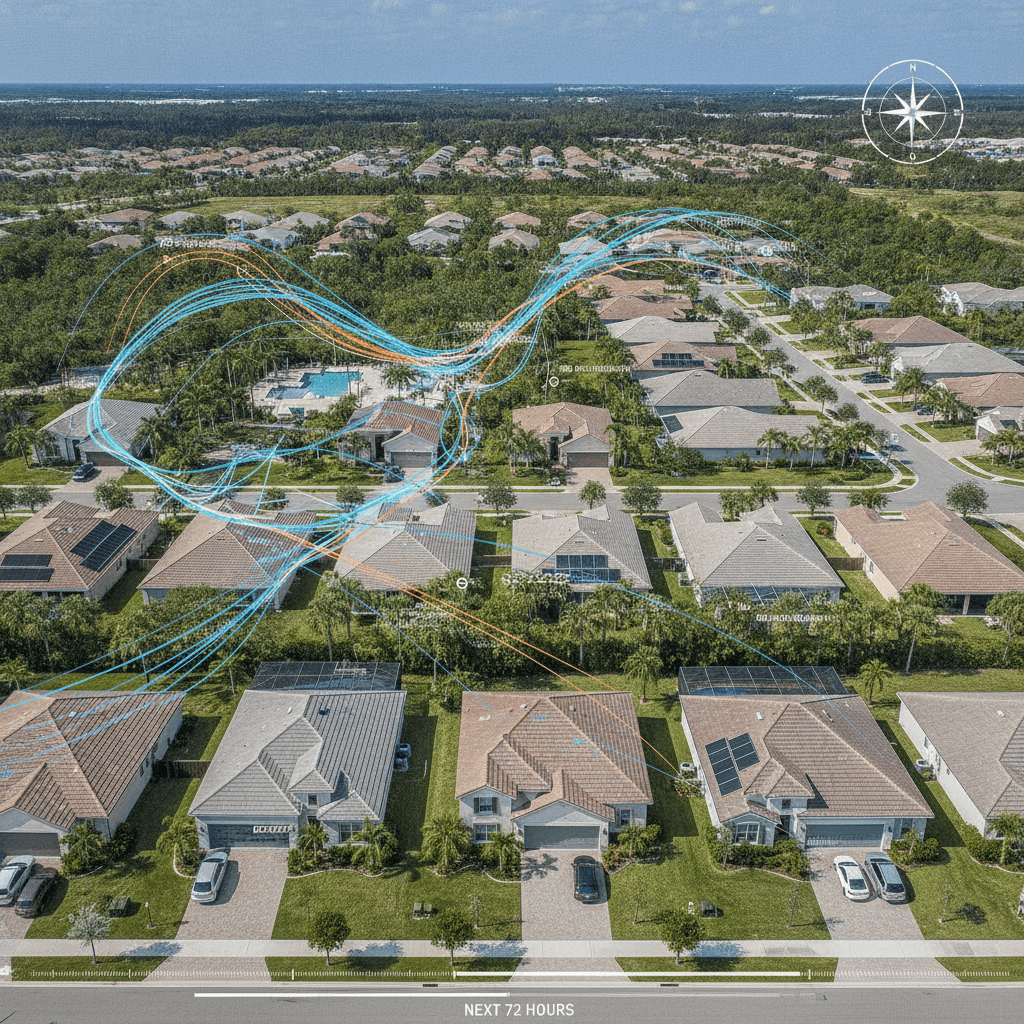
Keeping an Eye on the Tropics: What Dolly Means for Florida
Down here in Florida, we live and breathe hurricane season. It’s part of the deal. So when the National Hurricane Center (NHC) issues updates, even on a system like Tropical Storm Dolly way out in the Atlantic, we pay attention. They reported Dolly at 13.6 North latitude, 38.7 West longitude, as of 1500 UTC on August 27, 2026. While Dolly might seem far off, these early forecasts of wind speed probabilities are our first warning, reminding us that it’s always wise to be prepared for what could come our way.
It’s not about fear; it’s about respect for Mother Nature and protecting what you’ve worked so hard for. Every season, these systems start as distant disturbances, and their paths can be unpredictable. What begins as a tropical storm can rapidly intensify or shift course, especially as it moves into warmer waters. That’s why understanding what those wind speed probabilities mean for your property is crucial, even when a storm is still days away from potentially impacting our coast.
Understanding Wind Speed Probabilities: Beyond the Cone
When the NHC talks about wind speed probabilities, they're giving us a statistical outlook on the chances of certain wind speeds hitting your area. It's not just about the infamous 'cone of uncertainty,' but about the likelihood that winds of 39 mph (tropical storm force) or 74 mph (hurricane force) could affect a specific location. These numbers are a wake-up call, urging us to review our storm plans and secure our properties.
In our experience at Krüger Disaster Recovery Team, even tropical storm-force winds can cause significant damage. Loose debris, weakened tree limbs, and older roofing materials can all become serious hazards. We've seen perfectly good structures sustain costly damage from what many might consider 'minor' storms. The constant humidity and intense sun in Florida already put our building materials to the test, and even moderate winds can exploit existing weaknesses.
Florida's Vulnerabilities: More Than Just Wind
While wind is a primary concern with any tropical system, it’s far from the only threat here in Florida. The sheer amount of rain associated with these storms can lead to widespread flooding, both inland and coastal. Then there's the storm surge, a wall of water pushed ashore by the hurricane's winds, which can be devastating for coastal properties. Even after the winds die down, the persistent humidity following a storm creates a perfect breeding ground for mold and mildew, a silent destroyer that can affect indoor air quality and structural integrity.
This is why a comprehensive approach to storm preparedness is vital. It’s not just about boarding up windows; it’s about ensuring your entire property is resilient and that you have a plan for recovery that covers all potential damages.
Proactive Steps: Protecting Your Investment Before the Storm
My team and I have walked countless properties in the aftermath of Florida hurricanes – from Charley to Ian – and the difference between prepared and unprepared properties is stark. Here’s where you can start:
- Roof Inspection & Maintenance: Your roof is your first line of defense. Get it inspected regularly, especially before hurricane season. Look for loose shingles, cracked tiles, or any signs of wear. A small repair now can prevent catastrophic damage later. We often recommend impact-resistant materials where possible, as they hold up much better against high winds.
- Secure Loose Items: Anything not tied down can become a projectile in high winds. Patio furniture, grills, trash cans – bring them inside or secure them. Trim trees and remove dead or weak limbs that could fall on your house or power lines.
- Review Your Insurance Policy: This is huge. Don’t wait until you’re filing a claim to understand your coverage. Know your deductibles, especially your hurricane deductible, and what’s covered (wind, flood, mold). If you have questions, call your agent now.
- Emergency Kit: Have a supply of water, non-perishable food, batteries, flashlights, a first-aid kit, and important documents. Don't forget copies of your insurance policy!
- Florida Building Codes: Our state has some of the most robust building codes in the nation for a reason. Familiarize yourself with how they protect your property. If you're doing renovations, always ensure they meet or exceed Florida Building Code standards.
Navigating the Aftermath: When Damage Occurs
Despite all preparations, sometimes damage is unavoidable. When a storm hits, the priority is safety. Once the immediate danger has passed, assessing damage becomes the next critical step. This is where many property owners feel overwhelmed, but you don't have to go it alone.
Document Everything
Before any cleanup or temporary repairs, document all damage extensively with photos and videos. The more evidence you have, the smoother your insurance claim process will be. Capture details from multiple angles, and don't forget to include wide shots that show the overall context of the damage. This documentation is your strongest ally when dealing with adjusters.
Working with Your Insurance Company and Adjusters
Filing an insurance claim can be a confusing and lengthy process. Your insurance company will assign an adjuster to assess the damage. Remember, their primary role is to evaluate the claim for the insurer. Having your own expert on your side, like the Krüger Disaster Recovery Team, can make a significant difference. We speak their language, understand the nuances of policies, and ensure that all damage is properly identified and documented for a fair settlement.
We've seen too many cases where property owners, unfamiliar with the process, accept a settlement that doesn't fully cover their costs. Our team acts as your advocate, ensuring nothing is missed and you receive the full compensation you're entitled to. This includes everything from initial damage assessment to guiding you through the repair process and ensuring compliance with Florida-specific building codes.
Your Partner in Recovery
Even a distant storm like Dolly serves as a potent reminder for us all in Florida. Preparedness is key, but so is having a trusted partner when the worst happens. At Krüger Disaster Recovery Team, we've dedicated our lives to helping property owners recover from storm damage. We handle everything from emergency tarping and damage assessment to full reconstruction, all while working directly with your insurance company.
Don’t wait for the next storm to be on our doorstep. Take action now. If you have questions about your property's storm readiness or need a professional assessment of potential vulnerabilities, give us a call. We’re here to help you protect your investment and ensure peace of mind, no matter what hurricane season brings.
Stay safe, stay prepared.

Written by
Gus Kruger
CEO at Krüger
Gus Kruger is the founder and CEO of Krüger Disaster Recovery Team, a Florida-based company specializing in emergency property protection, roofing, and fencing. Since 2016, Gus has built the company from a one-man roof tarp operation into a full-service team of 50+ professionals, serving over 30,000 properties across Florida and the Southeast U.S. A preferred vendor for major insurance carriers, BBB A+ rated, and licensed & insured, Gus leads Krüger with a hands-on approach rooted in fast response, honest work, and long-term property solutions.