
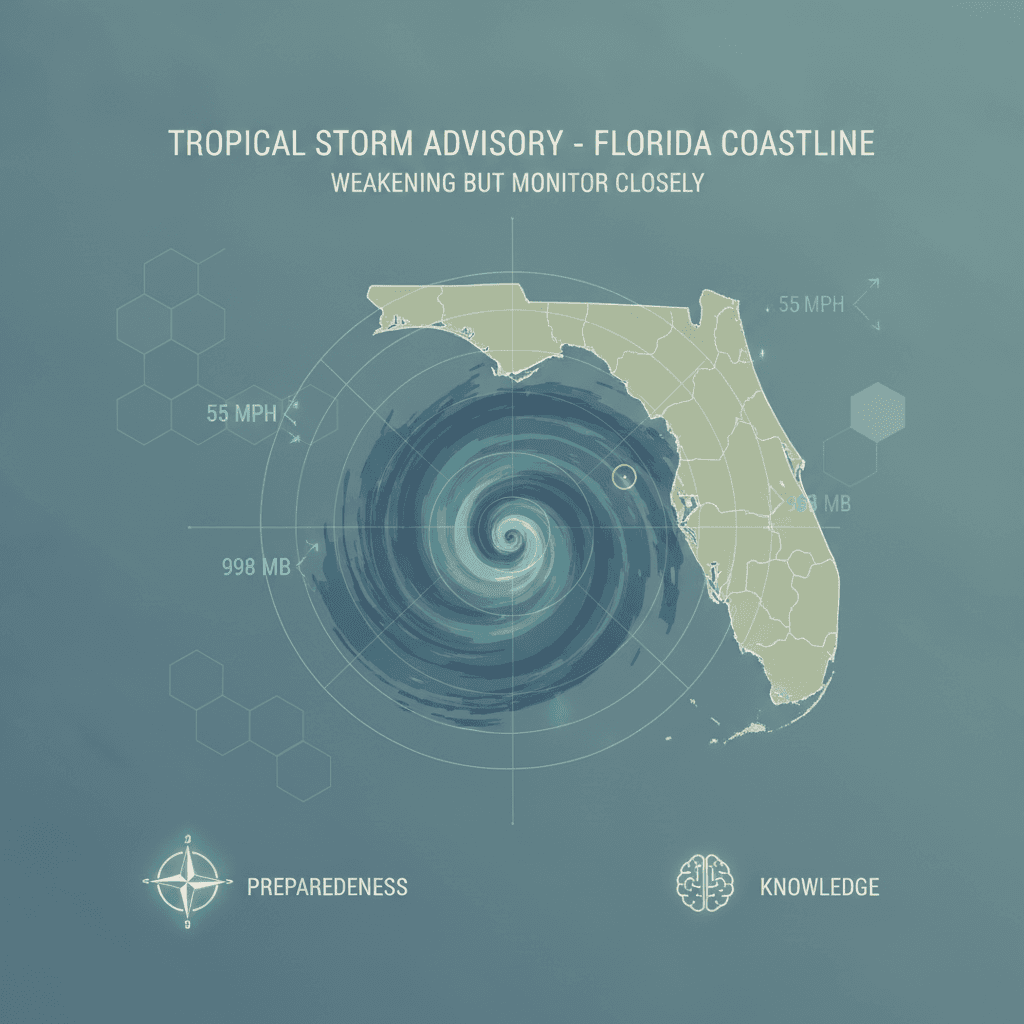
Bertha Weakens: Why Florida Homeowners Still Need to Stay Vigilant
Here in Florida, we're no strangers to tropical weather. Every season brings its share of named storms, and we've learned through hard experience that you can't ever take a storm lightly, even when the forecast looks like good news. That’s why when we saw the latest update on Tropical Storm Bertha – specifically Tropical Storm Bertha Discussion Number 13 from the National Hurricane Center issued on Wednesday, July 22, 2026 – noting its satellite presentation continued to degrade, my first thought wasn't 'relief,' but 'what else do homeowners need to know?'
While the degradation of Bertha's deep convection might mean a less intense wind event, it absolutely does not mean the threat is gone. From our vantage point at Krüger Disaster Recovery Team, we've seen this play out hundreds of times: people let their guard down when a storm weakens, only to face unexpected damage from its lingering effects. In Florida, even a 'weak' tropical storm can pack a punch, especially with heavy rainfall and potential localized flooding.
The Hidden Dangers of a 'Weakening' Florida Storm
When a tropical system weakens, it usually means the sustained wind speeds are dropping. That's a good thing, no doubt. But for us on the ground, dealing with the aftermath, we know that there are plenty of other factors at play that can still cause significant storm damage to your property:
- Heavy Rainfall and Inland Flooding: A weakening storm can still be a massive rainmaker. Florida’s flat terrain and sometimes overtaxed drainage systems mean even moderate rainfall can lead to standing water, street flooding, and unfortunately, water intrusion into homes. We’ve seen roofs that seemed fine suddenly start leaking because of continuous, heavy downpours finding weak spots. This is especially true if you have any existing minor roof damage, like loose shingles or compromised flashing, which the wind might not have finished off but the water will exploit.
- Tornadoes in Outer Bands: This is a big one that often gets overlooked. Tropical storms and hurricanes, even as they weaken, can spin off tornadoes, especially in their outer rain bands. These can pop up quickly, causing concentrated, severe damage in very localized areas, sometimes even more destructive than the storm's main winds. Your roof might be built to withstand a Category 1 hurricane, but a direct hit from a quick tornado is a whole different ballgame.
- Storm Surge (Even Without High Winds): For our coastal communities, storm surge isn't just about wind pushing water. The sheer volume of water and the gravitational pull can still cause significant coastal flooding. Even a weakening storm moving slowly can push water ashore, threatening homes, infrastructure, and seawalls.
- Prolonged Exposure to Humidity: After a storm, especially if there's any water intrusion, Florida's intense humidity becomes your enemy. What might start as a small leak can quickly turn into a full-blown mold problem within days if not properly mitigated. This is where professional moisture detection and drying become critical, even if the initial damage seems minor.
What to Do When a Storm Degrades but Still Looms
So, Bertha might be degrading, but what does that mean for you right now? It means stay prepared and stay smart.
Before the Storm (Even a Weak One):
- Clear Your Gutters and Drains: This is fundamental in Florida. Clogged gutters are a direct pathway for water to overflow and get behind siding or under roof eaves.
- Secure Loose Items: Patio furniture, trash cans, grills – anything that can become a projectile in even moderate winds needs to be brought inside or tied down.
- Have a Plan: Know your evacuation zone, have an emergency kit ready, and keep your important documents in a waterproof bag. The Florida Division of Emergency Management offers great resources for preparing your family and home.
After the Storm: Your Immediate Action Plan
Once Bertha passes, don't just breathe a sigh of relief and forget about it. This is where we often see the most critical mistakes made.
- Perform a Visual Inspection (Safely): From the ground, look for obvious signs of damage: missing shingles, sagging gutters, detached siding, or trees leaning dangerously close to your home. Never get on a wet roof yourself.
- Document Everything: Take photos and videos of any and all damage – big or small. This is crucial for your insurance claim. We can't stress this enough. Every single crack, every water stain, every displaced shingle needs to be recorded.
- Contact Your Insurance Company: Even if the damage seems minor, it’s often best to at least report it. Understand your policy and what it covers. Keep detailed notes of all conversations.
- Be Wary of Storm Chasers: Unfortunately, after any storm, shady operators come out of the woodwork. They'll promise quick fixes and cheap rates. Always work with local, reputable contractors who have a proven track record in Florida and understand our unique building codes and requirements. Ask for licenses and references, and check reviews.
The Krüger Difference: Navigating Insurance Claims
Dealing with insurance adjusters can be a complex process. They are looking out for the insurance company's interests, and you need someone looking out for yours. That's where we come in. We speak their language, understand the nuances of Florida building codes, and know how to properly document damage to ensure you get a fair assessment.
We’ve had countless clients who initially thought their damage was too small to warrant an insurance claim, only to find out months later that a small leak led to extensive water damage and mold, which is much more expensive to fix. Don’t let that happen to you. Even seemingly minor damage can escalate quickly in Florida’s climate if not addressed properly.
So, while the news about Bertha's degradation is positive in one sense, remember that tropical systems are unpredictable. Stay vigilant, stay prepared, and if you suspect any damage after the storm passes, don't hesitate to reach out. Your peace of mind and the integrity of your property are worth it.
Stay safe out there, Florida.
If you're concerned about potential storm damage or just want an expert opinion, give us a call for a free inspection. We’re here to help.

Written by
Gus Kruger
CEO at Krüger
Gus Kruger is the founder and CEO of Krüger Disaster Recovery Team, a Florida-based company specializing in emergency property protection, roofing, and fencing. Since 2016, Gus has built the company from a one-man roof tarp operation into a full-service team of 50+ professionals, serving over 30,000 properties across Florida and the Southeast U.S. A preferred vendor for major insurance carriers, BBB A+ rated, and licensed & insured, Gus leads Krüger with a hands-on approach rooted in fast response, honest work, and long-term property solutions.