Tropical Storm Bertha: A Timely Reminder for Florida Property Owners
 Gus Kruger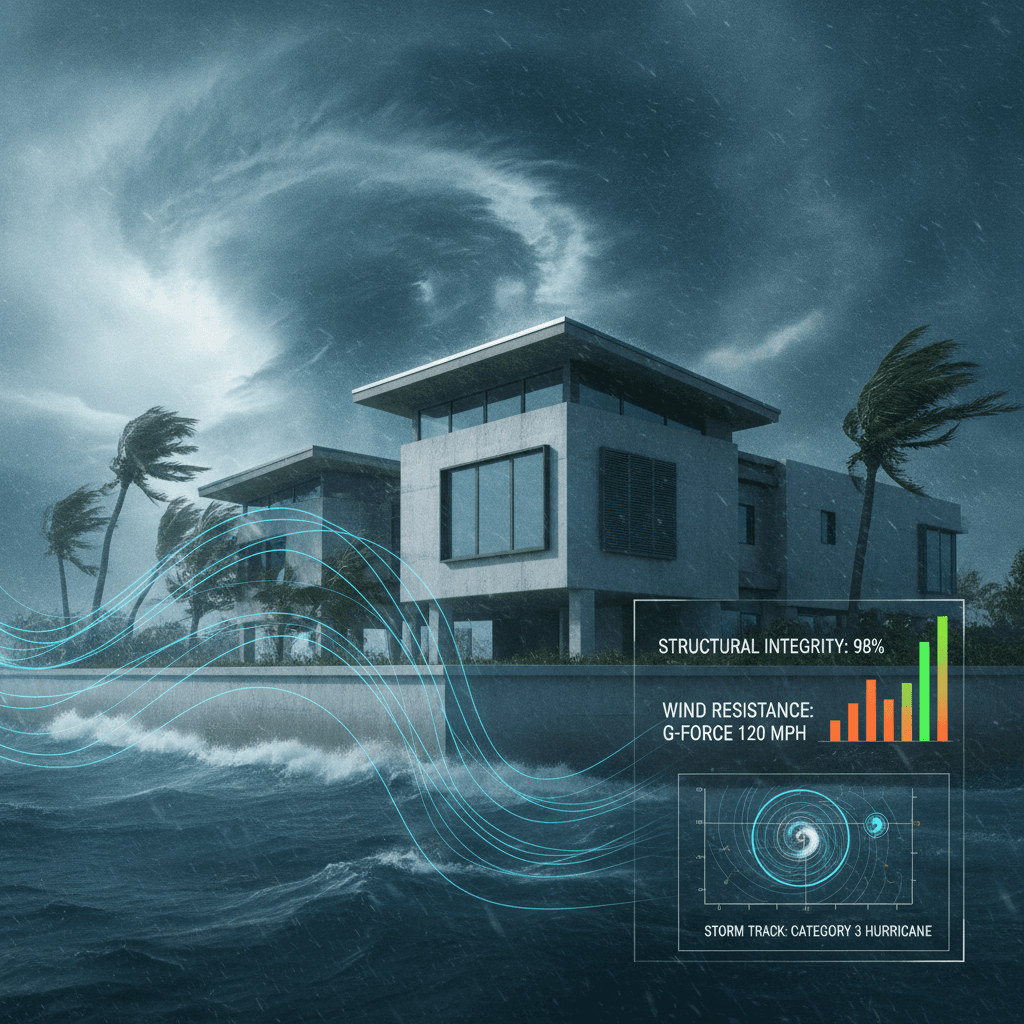
Tropical Storm Bertha: Why Every Storm, Big or Small, Matters for Florida
When you hear about a tropical storm making landfall, especially one like Bertha that recently touched down in St. Bernard Parish, Louisiana, with winds around 45 mph, it might not sound like much to us down here in Florida. We're used to bigger, stronger systems, right? But here's the thing: every tropical system, from a named storm like Bertha to a strong summer squall, carries a lesson for us. They're all reminders that we live in a unique environment where wind and water are constant threats to our properties.
Bertha, for example, might have seemed like a quick hit for Louisiana, moving west-northwest at 7 mph with a minimum central pressure of 1000 mb, as reported by the National Hurricane Center. But even a relatively weak storm can bring significant wind gusts, torrential rain, and the potential for widespread damage. We've seen it hundreds of times throughout Florida – it's not always the Category 5 monster that causes the most headaches; sometimes, it's the slower, rainier tropical storm that settles in and just soaks everything, finding every weakness in your roof or foundation.
The Real Threat: Wind and Water Damage from Any Tropical System
Here in Florida, we're constantly battling the elements. It’s not just hurricanes; it’s tropical storms, even unnamed depressions, and persistent afternoon thunderstorms. They all bring a common enemy: water. And that water, coupled with wind, is a formidable force against your property.
Wind Damage: It's More Than Just Missing Shingles
- Roof Integrity: Even moderate winds can lift, tear, or completely remove shingles. Once your shingle mat is compromised, your underlayment is exposed, and it's only a matter of time before water starts seeping in. We've seen roofs that look mostly intact from the ground, but a closer inspection reveals widespread granule loss, cracked shingles, or fasteners pulled loose – all precursors to bigger problems.
- Siding and Soffit: Wind-driven rain can get underneath siding and into your soffits, leading to rot and mold.
- Trees and Debris: Falling branches or entire trees can cause catastrophic damage to roofs, fences, and even the structure of your home. Securing loose items and trimming dead branches before a storm is always a smart move.
Water Damage: The Silent Destroyer
This is where tropical storms often outdo themselves. Their slower movement can mean prolonged periods of heavy rain, which is a massive challenge for any property.
- Roof Leaks: Any breach in your roof, no matter how small, becomes a direct pathway for water into your attic, ceilings, and walls. Water intrusion can cause immediate damage to insulation, drywall, and electrical systems.
- Flash Flooding & Drainage Issues: Our flat Florida terrain, combined with heavy rain, means drainage systems can quickly get overwhelmed. Water can back up, seep into foundations, or flood low-lying areas, causing significant structural damage and creating environments ripe for mold growth.
- Humidity & Mold: Post-storm, even if your property didn't directly flood, the increased humidity can lead to mold and mildew issues, especially if the air conditioning system was off or damaged. This is a common, often overlooked, problem we deal with after every storm season.
Preparing Your Florida Property: Proactive Steps are Your Best Defense
The best way to deal with storm damage is to prevent it. We can't stop Mother Nature, but we can certainly make our properties more resilient. Down here, preparation isn't a suggestion; it's a necessity.
Before the Storm: Essential Safeguards
- Regular Roof Inspections: Don't wait for a storm. Get your roof inspected annually by a reputable professional. They can spot weak points, loose flashing, or worn shingles that need addressing before they become a leak during a heavy downpour.
- Clean Gutters and Drains: Clogged gutters and downspouts can cause water to overflow and pool around your foundation or seep into your fascia and soffits. Keep them clear!
- Secure Outdoor Items: Bring in anything that can become a projectile – patio furniture, grills, trash cans, children's toys. Even small items can cause significant damage when picked up by strong winds.
- Trim Trees: Remove dead or weak branches that could fall on your home or power lines. Consider professional tree services for larger, riskier limbs.
- Review Your Insurance Policy: Understand your coverage, deductibles, and what your policy covers for wind and water damage. Know your flood zone and whether you need separate flood insurance.
After the Storm: Acting Smart, Not Panicking
Should the worst happen and your property sustains damage, your actions immediately after the storm can make a huge difference in your recovery process and insurance claim.
- Safety First: Prioritize the safety of yourself and your family. Stay away from downed power lines and dangerous areas.
- Document Everything: Take extensive photos and videos of all damage before any cleanup begins. This is crucial for your insurance claim. Document both the obvious and the subtle issues.
- Temporary Repairs: Make necessary temporary repairs (like tarping a damaged roof) to prevent further damage, but keep receipts and document the work. Don't make permanent repairs until your insurance adjuster has assessed the damage.
- Contact Professionals: Reach out to licensed and insured contractors who specialize in storm damage and can provide accurate assessments and estimates. We've seen countless adjusters try to lowball claims based on incomplete information or superficial assessments.
- Notify Your Insurance Company: File your claim as soon as safely possible. Be prepared to provide all documentation.
Navigating Insurance Claims: We've Got Your Back
Dealing with insurance companies after storm damage can be a confusing and frustrating process. We've handled hundreds of claims related to tropical storms and hurricanes across Florida, from Miami-Dade up through the Panhandle. Our team understands Florida's building codes, the common types of storm damage, and how to effectively communicate with adjusters to ensure you get a fair and comprehensive settlement. We know what to look for that might be missed by a quick inspection.
Remember, a tropical storm might not have the dramatic headlines of a major hurricane, but for a property owner, the damage can be just as real and just as costly. Being prepared, understanding the risks, and knowing who to call when you need help are your best defenses down here.
If you're concerned about your property's resilience or suspect you might have hidden storm damage from a past system, don't wait for the next named storm. Give us a call for a free, no-obligation inspection. We’ll help you understand your situation and lay out a clear path forward.

Written by
Gus Kruger
CEO at Krüger
Gus Kruger is the founder and CEO of Krüger Disaster Recovery Team, a Florida-based company specializing in emergency property protection, roofing, and fencing. Since 2016, Gus has built the company from a one-man roof tarp operation into a full-service team of 50+ professionals, serving over 30,000 properties across Florida and the Southeast U.S. A preferred vendor for major insurance carriers, BBB A+ rated, and licensed & insured, Gus leads Krüger with a hands-on approach rooted in fast response, honest work, and long-term property solutions.