
Tropical Storm Bertha: A Reminder for Every Florida Property Owner
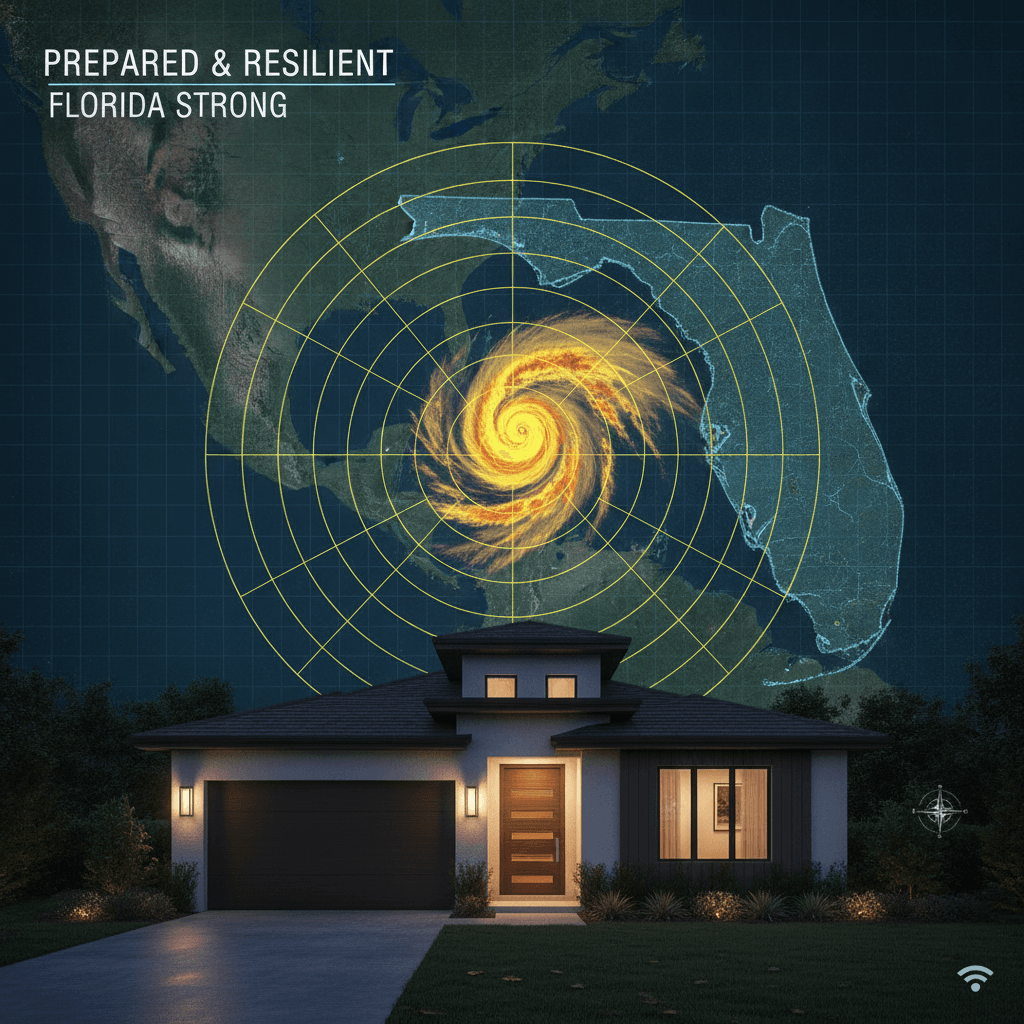
Another advisory rolls in: TROPICAL STORM BERTHA FORECAST/ADVISORY NUMBER 13, issued at 1500 UTC on July 22, 2026. This isn’t just news; it’s a notification from the folks at the National Hurricane Center, telling us Bertha is out there, cruising near 29.8N 88.6W. For us living here in Florida, this is just another reminder that hurricane season is always in full swing, and you've got to be ready.
As a property owner, when you see these advisories, whether it’s a named storm like Bertha or just a tropical depression brewing, your mind should immediately shift to protection. It's about proactive steps, not waiting until the rain is sideways and the wind is howling. We’ve seen firsthand, time and again, that a little preparation goes a long way in saving headaches and big money down the line.
Understanding the Advisory: What Does It Mean for Your Property?
That advisory tells us Bertha is positioned accurately within 30 nautical miles. While it might not be a direct bullseye on your specific neighborhood, in Florida, ‘close enough’ can still mean significant impact. Tropical storms, even weaker ones, bring with them a cocktail of threats:
- Heavy Rainfall: Florida soil can only absorb so much. Widespread, continuous rain leads to localized flooding, erosion, and can overwhelm drainage systems. This is a common culprit for leaks in roofs and foundations, even if your home isn't directly in a flood zone.
- Gusty Winds: While not hurricane-force, tropical storm winds are plenty strong enough to cause damage. Loose shingles, unsecured gutters, falling tree branches – these are all common issues we tackle after a tropical storm passes through.
- Tornadoes: Tropical systems often spawn isolated tornadoes, especially in their outer bands. These can strike quickly and cause devastating, localized damage with little warning.
- Storm Surge (Coastal Areas): Depending on the storm's path and intensity, even a tropical storm can push water onshore, especially in low-lying coastal areas.
So, when you hear about Bertha, don't just shrug it off. It’s an alert to check your defenses, especially if you’re along the Gulf Coast or anywhere the storm's feeder bands might reach.
Before the Storm: Bolstering Your Property's Defenses
Being prepared isn't about panicking; it's about being smart. Here’s what we always recommend:
1. Secure the Perimeter
- Yard Maintenance: Before winds pick up, walk your property. Secure anything that can become a projectile – patio furniture, trash cans, grills, potted plants. Trim any dead or weak tree branches that could fall onto your roof or property.
- Gutters and Downspouts: Clear them out. Clogged gutters can lead to water pooling on your roof or overflowing directly against your foundation, causing leaks and structural issues.
- Windows and Doors: Make sure they’re properly sealed. If you have shutters, get them ready or deployed.
2. Review Your Insurance Policy (Crucial!)
This is where many folks stumble. Don't wait until you have a hole in your roof to understand your coverage. Pull out your homeowner’s policy and understand what’s covered, what your deductibles are (especially for wind and hurricane damage), and any exclusions. We often see folks surprised by their flood insurance gaps, which is typically a separate policy. For general knowledge about insurance, The Insurance Information Institute offers valuable insights.
3. Document, Document, Document
Before any storm hits, take photos and videos of your property, inside and out. Pay attention to the condition of your roof, siding, windows, and any valuable contents. This documentation is invaluable if you need to file an insurance claim. It provides a clear 'before' picture, making it much easier to prove damage occurred due to the storm. FEMA consistently emphasizes the importance of these records for effective recovery.
After the Storm: Assessing and Recovering
Even if Bertha just skirts by, take a moment once it’s safe to assess your property. Don't assume everything is fine just because you don't see a tree through your living room.
1. Safety First
Before anything else, ensure your property is safe to enter. Watch out for downed power lines, gas leaks, or weakened structures.
2. Look for Hidden Damage
We've seen it hundreds of times: what looks like minor damage on the surface can be a red flag for bigger problems underneath. Small dents on your roof, a few missing shingles, or a slightly warped gutter might seem insignificant, but they can compromise your home's integrity. Water entry can be subtle, leading to mold growth, damaged insulation, and weakened structural elements over time.
3. Contact a Trusted Professional
If you suspect damage, or just want peace of mind, call a professional. A thorough inspection by a reputable company can identify issues you might miss. Our team at Krüger Disaster Recovery is built on this principle. We know Florida building codes inside and out, and we understand how storms here – from a little tropical depression to a Category 5 – impact different building materials. We're not just looking for a repair; we're looking for solutions that protect your investment long-term, designed to stand up to the next Florida storm.
4. Navigating the Insurance Claim Process
Dealing with insurance companies can feel like a maze, especially when you're already stressed about property damage. If you do need to file a claim, act quickly. Document everything – photos of the damage, dates, and times you called. Keep detailed records of all communication with your insurance company. We work hand-in-hand with homeowners to navigate this process, ensuring all damage is properly identified and documented for the adjuster, and that you get a fair settlement to restore your property correctly. Our goal is to make sure you're getting what you deserve to put your home back together, stronger than before.
Staying Vigilant is Key
Tropical Storm Bertha is a reminder that living in paradise comes with its challenges. By taking smart, proactive steps and knowing who to call when you need help, you can protect your Florida property and your peace of mind. We’re here to help you weather any storm. If you have questions or want an expert eye on your property before or after a weather event, don’t hesitate to reach out.
For more localized emergency information specific to our state, always check FloridaDisaster.org.

Written by
Gus Kruger
CEO at Krüger
Gus Kruger is the founder and CEO of Krüger Disaster Recovery Team, a Florida-based company specializing in emergency property protection, roofing, and fencing. Since 2016, Gus has built the company from a one-man roof tarp operation into a full-service team of 50+ professionals, serving over 30,000 properties across Florida and the Southeast U.S. A preferred vendor for major insurance carriers, BBB A+ rated, and licensed & insured, Gus leads Krüger with a hands-on approach rooted in fast response, honest work, and long-term property solutions.