Tropical Depression Two: What Florida Homeowners Need to Know
 Gus Kruger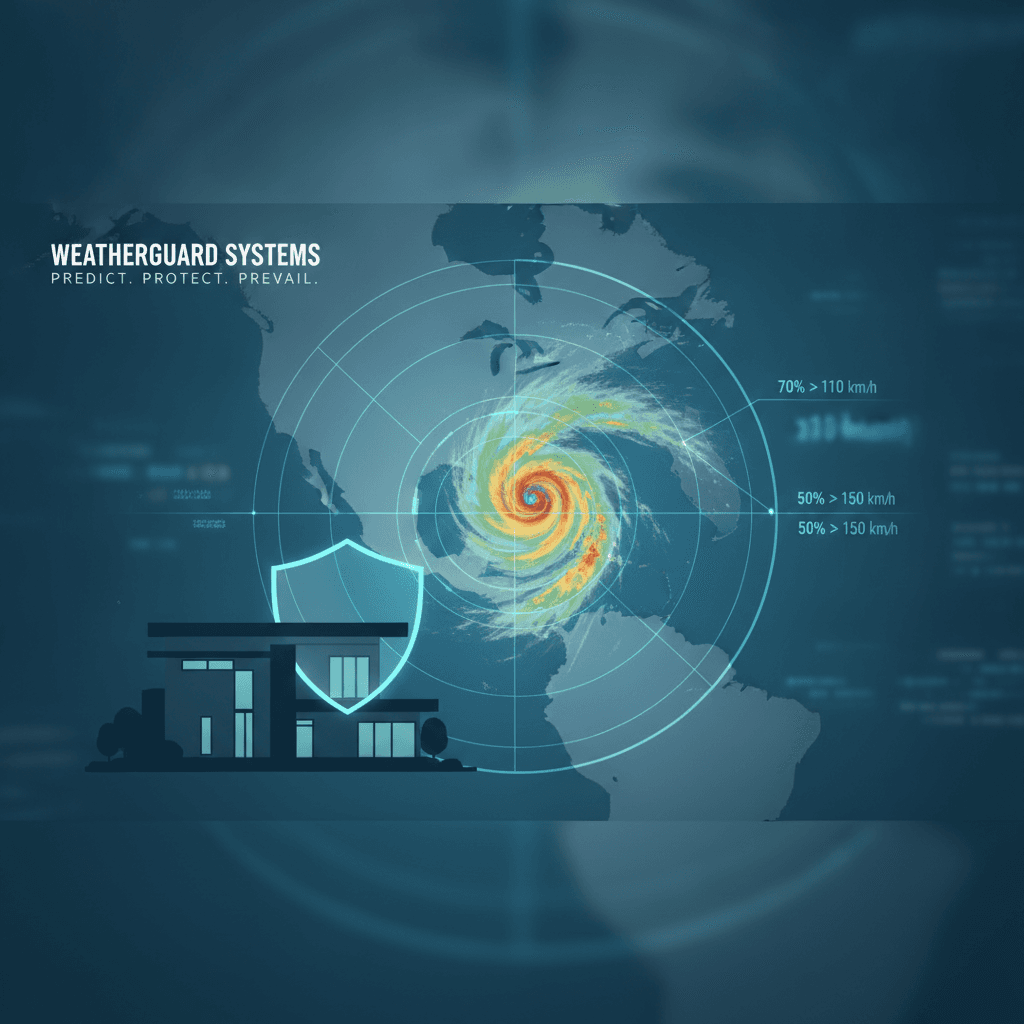
Tropical Depression Two: Understanding Wind Probabilities and Protecting Your Florida Home
Here in Florida, we know hurricane season isn't just a calendar event; it's a way of life. When the National Hurricane Center (NHC) issues an alert, even for something that sounds as mild as a "Tropical Depression," it's a signal to pay attention. We recently saw this with Tropical Depression Two, which was located near Latitude 28.0 North, Longitude 85.3 West, as of 1500 UTC on Sunday, July 19, 2026. This position places it in a spot that could impact our beautiful Gulf Coast, so understanding the wind speed probabilities issued is crucial for protecting your property.
What Exactly is a Tropical Depression?
Let's cut through the jargon. A tropical depression is the weakest form of a tropical cyclone. It's an organized system of clouds and thunderstorms with a defined surface circulation and maximum sustained winds of 38 mph (33 knots) or less. While it might sound insignificant compared to a Category 5 hurricane, a tropical depression is still a significant weather event, especially for Florida. They bring heavy rainfall, and they can strengthen rapidly into tropical storms or even hurricanes if conditions are right. The alert for Tropical Depression Two, which you can find on the NHC's website, is our first hint that we need to start thinking about preparedness, not just waiting for the big one.
Decoding Wind Speed Probabilities
When the NHC issues wind speed probabilities, they're giving us a percentage chance that a certain location will experience tropical storm force winds (39-73 mph) or hurricane force winds (74 mph or greater). For Tropical Depression Two, these initial probabilities help us understand the potential reach of its winds, not just at its center but across a wider area. It’s not about predicting exactly where it will hit, but rather assessing the risk. If an area has a 30% chance of experiencing tropical storm force winds, it means there’s a real possibility you could see winds strong enough to cause damage to weaker structures, bring down branches, or loosen roof shingles. These probabilities are a call to action, reminding us that even a weak storm can cause problems, especially when coupled with heavy rain.
Florida's Unique Vulnerability: It's Not Just the Wind
Here in Florida, we know it's never just about the wind speed numbers. Our properties face a combination of factors: relentless sun, humidity, and then suddenly, the violent forces of a storm. When Tropical Depression Two was forming in the Gulf, our thoughts immediately went to the potential for heavy rain and localized flooding, even if strong winds were initially less likely. Our homes, particularly along the Gulf Coast, are built to withstand a lot, but they're not invincible. Wind damage often starts with seemingly small things: a loose shingle, a detached piece of siding, or even debris becoming a projectile. Once the wind gets a foothold, water infiltration becomes a major concern, leading to much bigger headaches and costly repairs.
Practical Steps: Preparing Your Property Before the Storm
As a business owner who started in the field, I’ve seen firsthand what happens when folks don’t prepare. Don't wait until a tropical depression becomes a tropical storm. Here’s what we always tell our clients:
- Stay Informed: Always monitor official sources like the NHC and local emergency management. Information changes rapidly, and staying updated is your best defense.
- Inspect Your Roof: Your roof is your first line of defense. Walk around your house or get a professional inspection. Look for loose or missing shingles, cracks in the flashing around chimneys or vents, and any signs of wear. A small issue now can become a major leak during a storm.
- Secure Loose Items: Anything outdoors that isn't tied down can become a projectile in even moderate winds. Patio furniture, trash cans, grills, and even decorative items need to be brought inside or secured.
- Check Windows and Doors: Ensure your shutters are in good working order, or if you use plywood, make sure it's cut and labeled correctly. Check all your doors and windows for tight seals.
- Review Your Insurance Policy: This is absolutely critical in Florida. Understand your deductibles, especially your hurricane deductible (which is often a percentage of your home's value, not a fixed dollar amount). Know if you have separate flood insurance – standard homeowner policies typically don't cover flood damage. Document your property with photos and videos *before* a storm hits; it's invaluable if you need to file a claim.
When the Storm Passes: Navigating the Aftermath and Insurance Claims
Once the immediate danger from a storm like Tropical Depression Two has passed, the real work begins if you've suffered damage. Our team at Krüger Disaster Recovery has seen this hundreds of times. Here's our advice:
- Safety First: Assess your property for immediate hazards like downed power lines or structural damage before attempting any cleanup.
- Document Everything: Before you touch a single piece of debris, take extensive photos and videos of all damage. This includes close-ups and wide shots. This documentation is your best friend when dealing with insurance companies.
- Contact Your Insurer Promptly: The sooner you report damage, the sooner the claims process can begin.
- Beware of Storm Chasers: After a storm, many out-of-state contractors descend on Florida. While some are legitimate, many are not. They often promise quick fixes but can disappear, leaving you with shoddy work and further problems. Always choose local, reputable contractors like us who understand Florida building codes and are invested in our community. We're here long after the storm passes.
- Get Professional Inspections: A seemingly minor leak could hide significant roof damage or water intrusion that affects your home's structure or creates mold issues. Getting a professional, thorough inspection by a trusted recovery team ensures all damage is identified and documented correctly for your insurance claim. We work with adjusters every day to make sure our homeowners get a fair assessment.
Ultimately, a tropical depression is a reminder that hurricane season demands our vigilance. It's not about fear-mongering, but about empowering you with the knowledge and tools to protect your most valuable asset. The initial report for Tropical Depression Two should serve as a practical prompt to assess your home's readiness and ensure your family's safety.
If you're ever concerned about the integrity of your roof or property after a weather event, even a seemingly minor one, don't hesitate. Give us a call at Krüger Disaster Recovery Team for a free inspection. We’re here to help you navigate the complexities of storm recovery, from assessment to a fully repaired home.

Written by
Gus Kruger
CEO at Krüger
Gus Kruger is the founder and CEO of Krüger Disaster Recovery Team, a Florida-based company specializing in emergency property protection, roofing, and fencing. Since 2016, Gus has built the company from a one-man roof tarp operation into a full-service team of 50+ professionals, serving over 30,000 properties across Florida and the Southeast U.S. A preferred vendor for major insurance carriers, BBB A+ rated, and licensed & insured, Gus leads Krüger with a hands-on approach rooted in fast response, honest work, and long-term property solutions.