Tropical Depression Two: Florida Homeowner's Guide to Preparedness
 Gus Kruger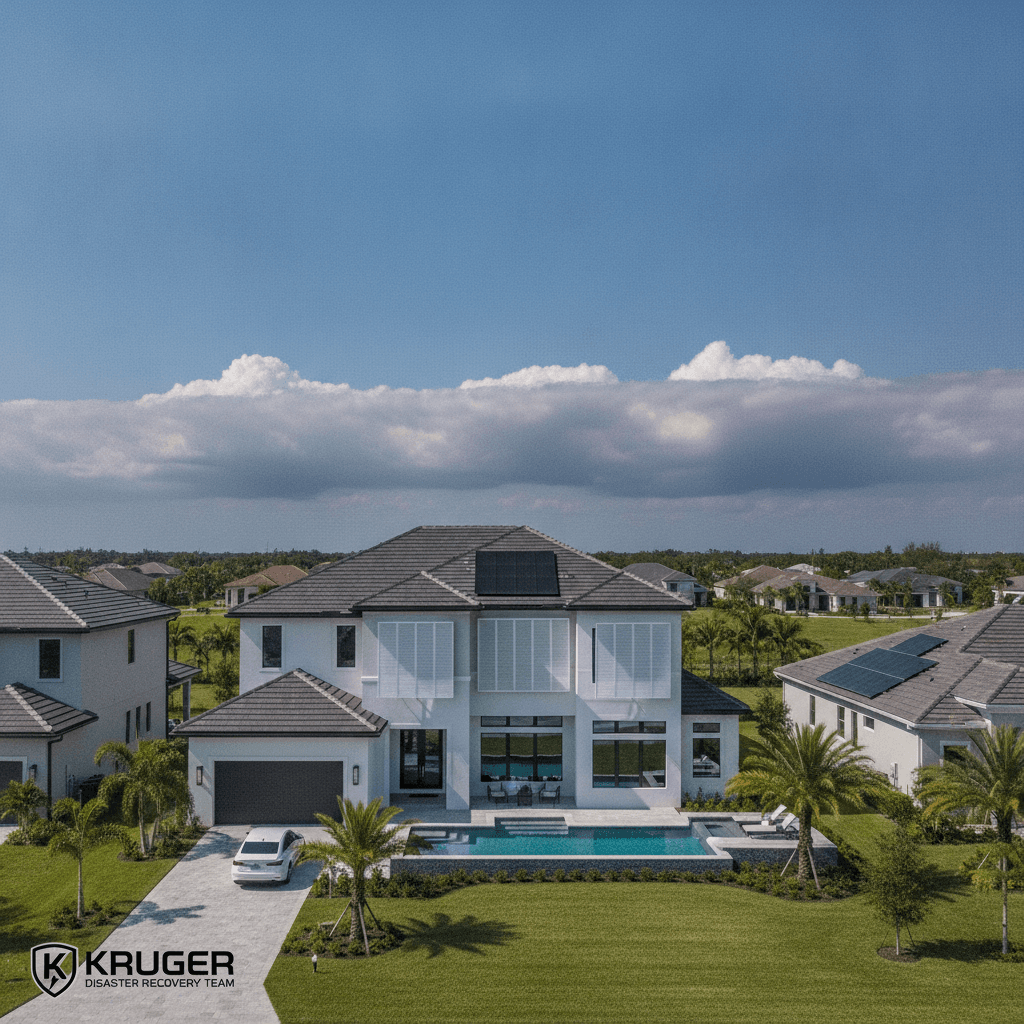
Tropical Depression Two: An Early Season Wake-Up Call for Florida Homeowners
Here in Florida, the start of hurricane season on June 1st isn't just a date on the calendar; it's a constant reminder to stay vigilant. When we see advisories like the one for Tropical Depression Two issued on July 19, 2026, it immediately puts us on alert. The NOAA National Hurricane Center's initial advisory for TD Two placed its center near 28.0N 85.3W. For those of us living along the coast or even inland, these early-season systems, even if they're "just" a depression, demand our attention. I’ve seen firsthand how quickly a seemingly minor disturbance can intensify or bring unexpected heavy rains and wind, turning a sunny day into a homeowner's nightmare. It’s not about fear; it’s about respect for Mother Nature and smart preparation to protect your biggest investment.
Understanding the Nuances of Tropical Depressions in Florida
A tropical depression is the first stage of a tropical cyclone, characterized by organized convection and a closed surface circulation, with maximum sustained winds of 38 mph or less. While that might sound manageable compared to a Category 5 hurricane, underestimating a tropical depression in Florida is a rookie mistake. Why? Because our environment—warm Gulf waters, low wind shear—is a perfect incubator. A depression can rapidly strengthen into a tropical storm or even a hurricane in a matter of hours, often catching folks off guard. Beyond that, even lower-intensity systems bring heavy rainfall, storm surge potential along the coasts, and localized flooding, especially in low-lying areas or those with poor drainage. We've helped countless homeowners deal with water intrusion and roof leaks from events that weren't even named storms, let alone full-blown hurricanes.
Florida's Hurricane Season: A Marathon, Not a Sprint
Our hurricane season officially runs from June 1st to November 30th. That's six months where we need to be ready. While the peak typically falls between August and October, early-season storms are not uncommon and can be just as impactful. Remember, it only takes one storm to cause significant damage to your property and disrupt your life. This isn't just about preparing for the "big one"; it’s about having a continuous state of readiness throughout the season. From the Panhandle down to the Keys, every part of Florida is vulnerable. The constant humidity also means that even minor water intrusion from heavy rains can quickly lead to mold issues if not addressed immediately, adding another layer of complexity to recovery efforts.
Key Vulnerabilities: Where Your Florida Home Needs Attention
When we assess properties before or after a storm, we consistently find the same areas are most vulnerable. Knowing these can help you focus your preparation efforts:
- The Roof: This is your home's first line of defense. High winds from even a tropical depression can lift or tear shingles, create weak spots, and expose your underlayment to water. Florida's rigorous building codes, like the Florida Building Code, mandate certain standards, especially for new construction and re-roofs, to withstand hurricane-force winds. However, an older roof, or one that hasn't been properly maintained, is always at risk. We've seen hundreds of roofs that looked fine from the ground but had unseen damage waiting for the next rain event to reveal itself.
- Windows and Doors: These are common entry points for wind and water. While many newer Florida homes have impact-resistant glass or require shutters, older homes might not. Securing these openings is critical to prevent wind damage and pressure differentials that can lead to structural compromise.
- Drainage and Gutters: Clogged gutters and poor yard drainage can direct massive amounts of water towards your foundation, leading to serious water intrusion into your walls, crawl spaces, or slab. Make sure your gutters are clear and downspouts are directing water well away from your home's foundation.
- Landscaping and Outdoor Items: Anything not secured can become a projectile in strong winds. Lawn furniture, garbage cans, grills, even small sheds – these need to be brought inside or tied down. Trim trees and remove dead branches that could fall onto your house or power lines.
Your Pre-Storm Preparedness Checklist: Practical Steps
Being prepared isn't just about boarding up; it's about a comprehensive plan. Here are some actionable steps I always recommend:
- Review Your Insurance Policy: Don't wait until after the storm to find out what you're covered for. Understand your deductibles, especially your hurricane deductible, and what perils are included. A quick call to your agent can clarify a lot. We work with homeowners and their insurance companies all the time, and knowing your policy ahead of time makes the claims process smoother.
- Inspect Your Property: Take a walk around your home. Look for loose shingles, deteriorating caulk around windows, or areas where water might pool. Clear out those gutters!
- Document Your Home's Condition: Before any storm, take photos and videos of your home, inside and out, especially high-value items. This documentation is invaluable if you need to file an insurance claim.
- Emergency Kit: Have a basic kit ready with water, non-perishable food, flashlights, batteries, a first-aid kit, and important documents. The Florida Division of Emergency Management offers great resources for building a comprehensive kit tailored to your family's needs.
- Secure Loose Items: Anything that can blow away or become a projectile should be secured or brought inside.
When the Storm Passes: Navigating Damage and Insurance Claims
If Tropical Depression Two, or any future storm, brings damage to your property, your actions immediately afterward are critical. First, ensure your family's safety. Once it's safe to do so, start documenting everything. Take clear photos and videos of all damage before any repairs begin. This is crucial for your insurance claim.
Contact your insurance company promptly to report the damage. Be wary of "storm chasers" – contractors who appear immediately after a storm, often from out of state, promising quick fixes. While some are legitimate, many are not and can leave you with shoddy work and a headache. In our experience, it's always best to work with reputable local companies who understand Florida's building codes and insurance processes. We often act as an advocate for homeowners, helping them navigate complex adjuster reports and ensuring all damage is properly assessed and covered. A thorough, professional inspection can uncover hidden damage that might not be obvious to the untrained eye or even a hurried adjuster.
Building a More Resilient Florida Home
Living in Florida means constantly adapting to our unique climate and weather challenges. Every storm, even a tropical depression, is a reminder to review and strengthen our homes. This isn't just about repairs; it's about resilience. Understanding the risks and taking proactive steps ensures that your property is as prepared as it can be. It’s a continuous process of maintenance, awareness, and smart decision-making.
Ready to Secure Your Home?
Don't wait for the next advisory. Proactive preparation is the best defense against hurricane damage. If you have questions about your roof's condition, suspect potential vulnerabilities, or simply want peace of mind, give us a call. We offer free, no-obligation property inspections to help you identify and address any issues before a storm hits. Protect your investment; let's talk.

Written by
Gus Kruger
CEO at Krüger
Gus Kruger is the founder and CEO of Krüger Disaster Recovery Team, a Florida-based company specializing in emergency property protection, roofing, and fencing. Since 2016, Gus has built the company from a one-man roof tarp operation into a full-service team of 50+ professionals, serving over 30,000 properties across Florida and the Southeast U.S. A preferred vendor for major insurance carriers, BBB A+ rated, and licensed & insured, Gus leads Krüger with a hands-on approach rooted in fast response, honest work, and long-term property solutions.