When Tornadoes Strike: What Every Property Owner Needs to Know
 Gus Kruger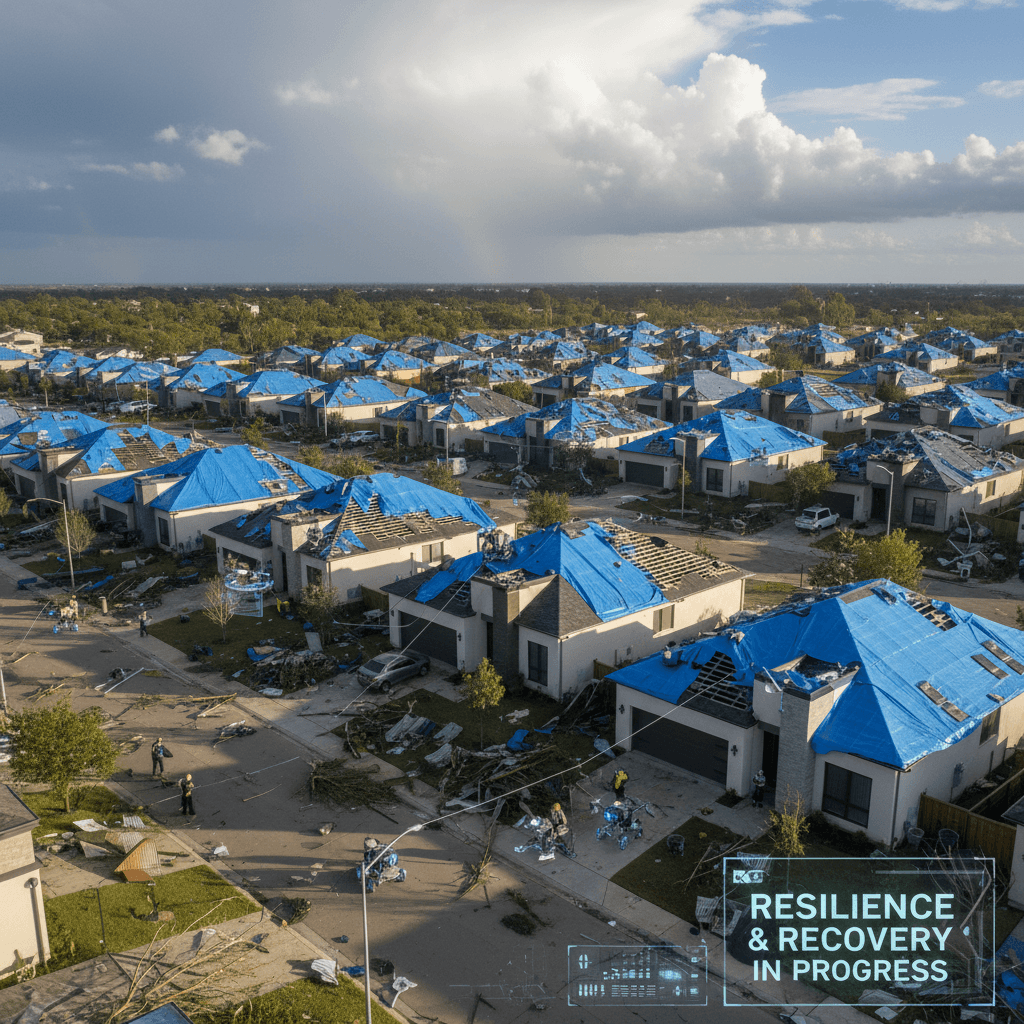
Tornadoes Strike the South: A Stark Reminder for Property Owners
When you see headlines about tornadoes causing widespread damage in the South, like the recent reports from NBC News, it’s a stark reminder of how quickly disaster can strike. While Florida is more often associated with hurricanes and tropical storms, the truth is, we get our fair share of tornadic activity, too. These powerful rotational winds, whether from a supercell or spawned by a tropical system, can wreak havoc on homes and businesses just as intensely. As someone who's spent decades helping property owners recover from every kind of storm Florida can throw at us, I know the immediate aftermath can be overwhelming. But with the right knowledge and a clear plan, you can protect your investment.
Understanding the Threat: It’s More Than Just Wind
When a tornado touches down, the damage isn't just from the incredibly high winds themselves. It's a complex combination of forces: extreme wind speeds that can tear off roofs and walls, flying debris acting as projectiles, and often, torrential rain that leads to severe water damage once the building envelope is compromised. In Florida, even a weaker tornado can be catastrophic due to our often older housing stock, lush vegetation that becomes airborne debris, and the sheer volume of water during a storm.
- Wind Damage: This is the most obvious. Roofs get lifted, shingles are ripped off, siding is peeled away, and entire structures can be compromised.
- Impact Damage: Trees, power poles, signs, and even parts of other buildings become missiles, crashing into your property.
- Water Damage: Once your roof or windows are gone, rain pours in, quickly damaging interiors, electrical systems, and personal belongings. This is where secondary issues like mold can quickly set in, especially in Florida's humid climate.
Immediate Steps After the Storm Passes: Safety First
Your safety and the safety of your family or employees should always be the top priority. Once the immediate danger has passed and it's safe to assess, here's what you need to do:
- Check for Injuries: Administer first aid if needed, and call for emergency services.
- Evacuate if Necessary: If your property is severely damaged, has structural issues, or there are gas leaks or downed power lines, evacuate to a safe location.
- Document Everything: This is absolutely critical. Grab your phone and start taking photos and videos of all damage. Don't just focus on the big stuff; get close-ups of cracked shingles, broken windows, water stains, and anything that looks out of place. This visual evidence will be invaluable for your insurance claim.
- Temporary Repairs (If Safe): If you can safely do so, make temporary repairs to prevent further damage. Tarping a damaged roof or boarding up broken windows can stop more water from getting in. Keep all receipts for these materials, as they are often reimbursable by your insurance company. Never attempt repairs that put you at risk.
- Contact Your Insurance Company: Notify them as soon as possible. The sooner you open a claim, the sooner the process can begin.
Navigating the Insurance Claim Process with Confidence
Dealing with insurance after a major storm can feel like another battle in itself. This is where having someone in your corner truly makes a difference. We've seen this hundreds of times, and here's what you need to know:
- Be Thorough with Documentation: I can’t stress this enough. Your photos, videos, and detailed notes about the damage are your best friends.
- Understand Your Policy: Take time to review your policy. What's covered? What's your deductible? Are there specific clauses for wind, hail, or flood damage? Understanding this beforehand will help manage expectations.
- Work with Your Adjuster, But Advocate for Yourself: The insurance adjuster’s job is to assess the damage for the insurance company. While most are fair, their primary goal isn't necessarily to maximize your payout. They might miss things or interpret policy language differently. This is why having a reputable contractor or public adjuster on your side can be a game-changer.
- Beware of Lowball Offers: It’s common for initial offers to be lower than the true cost of repairs, especially in a market like Florida where building codes (like the Florida Building Code) require specific, often higher-cost, materials and methods for repairs or replacements. Don't be afraid to push back with documented evidence and professional estimates.
The Krüger Approach: Expertise You Can Trust
At Krüger Disaster Recovery Team, we pride ourselves on being more than just roofers or contractors. We’re your advocates. When a tornado or hurricane rips through your community, our team is already in motion. We understand Florida's unique challenges—from hurricane-force winds to relentless humidity that can turn a small leak into a major mold problem in days. We know the building codes inside and out, ensuring that repairs are not just cosmetic, but structurally sound and compliant, protecting your property for years to come.
We work directly with your insurance company, providing detailed, accurate estimates and handling the paperwork so you don't have to. We speak their language, ensuring that nothing is overlooked and that you receive the full and fair settlement you deserve. As FEMA advises, understanding the post-storm recovery process is key, and having a trusted partner makes all the difference.
Don’t Wait for the Next Storm
While the recent tornadoes in the South are a sobering reminder, it's also an opportunity to prepare. Whether it's a tornado, a tropical storm, or a hurricane, the principles of preparation and recovery remain largely the same. Inspect your roof regularly, clear gutters, trim trees, and have an emergency plan in place. Knowing who to call when disaster strikes brings immense peace of mind.
If you've experienced storm damage – wind, hail, or water – don't hesitate. Even if you think the damage is minor, it's always best to get a professional assessment. We offer free, no-obligation inspections. Let us put our experience to work for you.

Written by
Gus Kruger
CEO at Krüger
Gus Kruger is the founder and CEO of Krüger Disaster Recovery Team, a Florida-based company specializing in emergency property protection, roofing, and fencing. Since 2016, Gus has built the company from a one-man roof tarp operation into a full-service team of 50+ professionals, serving over 30,000 properties across Florida and the Southeast U.S. A preferred vendor for major insurance carriers, BBB A+ rated, and licensed & insured, Gus leads Krüger with a hands-on approach rooted in fast response, honest work, and long-term property solutions.