
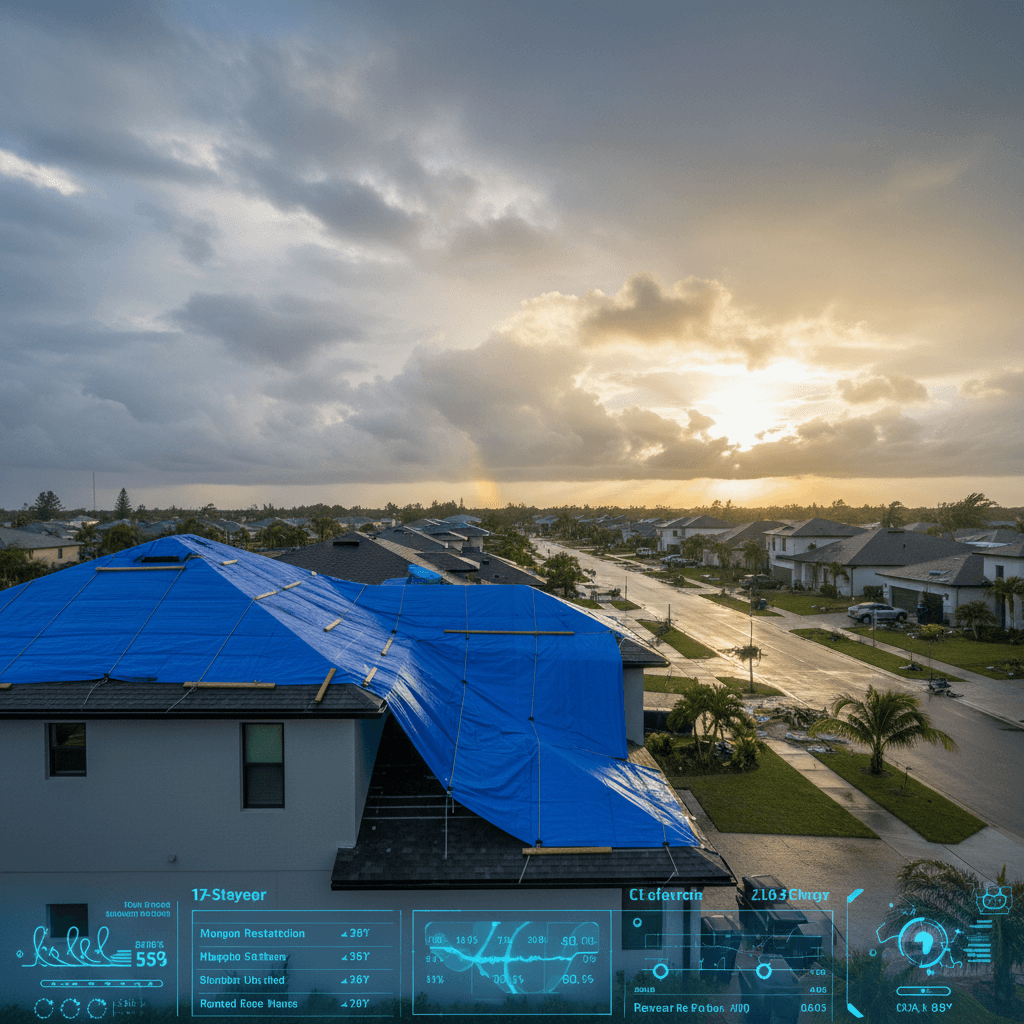
When a Florida Storm Hits: Your Roof's First Line of Defense
Down here in Florida, we know a thing or two about storms. From hurricanes like Ian and Irma to those sudden, torrential summer downpours, our properties take a beating. When your roof suffers damage – whether it’s from high winds tearing off shingles, falling debris punching a hole, or hail creating impact craters – your immediate priority needs to be preventing further damage. That’s where emergency roof tarping comes in. It’s not a permanent fix, but it's a critical stop-gap measure that can save you a world of heartache and a ton of money.
At Krüger Disaster Recovery Team, we've seen this hundreds of times. Homeowners scramble after a storm, and sometimes the panic leads to mistakes. But understanding the 'why' and 'how' of emergency roof tarping can make all the difference in protecting your property and setting you up for a smoother insurance claim process.
Why Emergency Roof Tarping Isn't Just a Band-Aid – It's Your First Defense
Think of a tarp as a temporary shield for your home. Once your roof’s integrity is compromised, water can seep into your attic, walls, and ceilings. This isn't just about a few drips; it can lead to:
- Extensive Interior Damage: Ruined drywall, insulation, flooring, and personal belongings.
- Mold and Mildew Growth: Florida's humidity is a perfect breeding ground for mold once moisture gets in, leading to health issues and costly remediation.
- Structural Damage: Prolonged water intrusion can weaken your home's framing and foundations.
- Complications with Insurance Claims: Insurance companies expect you to mitigate further damage. Failing to properly tarp your roof could potentially impact your claim payout for additional damages that occur post-storm.
By properly installing a heavy-duty tarp, you’re buying yourself time – time to assess the full extent of the damage, time to work with your insurance adjuster, and time to find a reputable roofing contractor for permanent repairs.
Safety First: Before You Even Think About Getting on That Roof
I've been in this business a long time, and the number one rule after a storm is always safety first. Seriously. A damaged roof can be incredibly dangerous. You're dealing with:
- Slippery Surfaces: Wet shingles, mud, or debris make walking treacherous.
- Unstable Structures: Portions of your roof might be weakened and could collapse.
- Live Electrical Wires: Downed power lines or damaged electrical components are a silent threat.
- Sharp Edges and Debris: Exposed nails, broken wood, and shattered materials can cause serious injury.
If you're not experienced, don't have the right safety gear, or if the damage looks extensive or involves power lines, do not attempt to tarp your roof yourself. This is where emergency roofing services like ours come in. We have the training, equipment, and experience to safely secure your roof.
When to DIY (and When to Definitely Call a Pro)
Only consider a DIY tarping job if the damage is minor, easily accessible from a stable ladder, and you feel absolutely confident in your ability to work safely at heights. Even then, exercise extreme caution.
You should call a professional emergency roofing service immediately if:
- The damage is extensive (large holes, collapsed sections).
- The roof pitch is steep or the roof is wet and slippery.
- You don't have proper safety equipment (harness, sturdy ladder).
- There are downed power lines or electrical hazards nearby.
- You're uncomfortable with heights or physical labor in a compromised environment.
It’s always better to be safe than sorry. We're here for a reason – to handle these tough situations for you.
The Basics of Emergency Tarping (If You Must Do It Yourself)
For those rare instances where a small, localized issue demands immediate, safe DIY attention, here's a general approach. Remember, this is a temporary fix.
- Gather Your Materials: You’ll need a heavy-duty polyethylene tarp (larger than the damaged area, allowing for at least a few feet of overlap on all sides), 2x4s or similar wood strips (longer than the tarp edges), roofing screws or nails with plastic caps, a utility knife, a sturdy ladder, and rope or bungee cords.
- Clear the Area (Safely!): Remove any loose debris like branches or broken shingles from the damaged area. Be careful not to cause further damage.
- Position the Tarp: Lay the tarp over the damaged section, ensuring it extends well beyond the edges of the damage. Ideally, the tarp should extend up the roof slope past the peak or at least a few feet above the damage to allow water to shed properly. Ensure ample overlap down the slope and to the sides.
- Secure with Wood Strips (Batten Down): Roll the edges of the tarp around a 2x4 board. This creates a secure anchor point. Position these battened boards along the edges of the tarp.
- Attach the Boards: Use roofing screws with washers or nails to secure the 2x4s directly into the roof decking, through the tarp. Space the fasteners about every 12-18 inches. Avoid nailing directly into the tarp without a batten board, as it will tear easily.
- Anchor with Rope (Optional but Recommended): If possible, run ropes over the tarp and tie them to sturdy anchor points on the house (like fascia boards, strong gutters, or even ground anchors) to provide extra wind resistance. For a more detailed visual guide on temporary roof repairs, resources like FEMA provide excellent steps.
Avoiding Costly Mistakes When Tarping Your Roof
The biggest mistake folks make is thinking 'good enough' is good enough. In Florida, wind damage and heavy rains will expose any weakness in a temporary tarp job. Here are common pitfalls:
- Insufficient Overlap: Not extending the tarp far enough past the damage leaves gaps for water to enter.
- Poorly Secured Edges: Simply laying a tarp down and weighing it with bricks is a recipe for disaster. Winds will rip it right off, potentially causing more damage.
- Using the Wrong Materials: Thin, flimsy tarps or inadequate fasteners won't stand a chance against a tropical storm.
- Ignoring the Cause of Damage: Just covering a hole doesn't mean you've addressed underlying issues like weakened decking or flashing problems.
Proper installation is key to making that temporary tarp hold up until professional repairs can be made.
Working with Your Insurance Company After Storm Damage
Tarping your roof is just the first step. The next critical phase involves your insurance claim. Here’s what we always advise our clients:
- Document Everything: Before and after photos and videos of the storm damage are invaluable. Take pictures of the damaged roof, any interior leaks, and even your tarping efforts.
- Contact Your Insurer Immediately: The sooner you file a claim, the better. They will guide you through their specific process.
- Keep Receipts: Any expenses incurred for emergency repairs, like the tarp and materials, should be documented and submitted to your insurer.
- Understand Emergency Repairs vs. Permanent Solutions: Your insurance typically covers the cost of emergency repairs (like tarping) to prevent further damage. This is separate from the full repair or roof replacement.
- Be Present for the Adjuster: When the insurance adjuster comes, walk them through the damage. Having a trusted contractor present during this initial inspection can be beneficial, as we've worked with adjusters on hundreds of claims here in Florida and understand the intricacies of damage assessment.
Don't let the insurance process overwhelm you. A good contractor can help you navigate it.
Beyond the Tarp: Planning Your Permanent Roof Repair or Replacement
Once your roof is temporarily secured, the real work begins. You need to get that permanent repair or roof replacement underway quickly. Delaying could lead to further deterioration and potentially more expensive issues down the road.
When choosing a contractor for your roof repair, especially for hurricane damage or wind damage, ensure they:
- Are properly licensed and insured in Florida.
- Have extensive experience with local building codes, including specific requirements for wind resistance and materials in our climate.
- Provide a clear, detailed estimate for the work.
- Have a strong local reputation – ask for references!
Whether it's hail damage, flood damage from heavy rains, or extensive hurricane damage, getting a robust, Florida-code-compliant roof replacement is crucial for your long-term peace of mind.
Don't Wait, Protect Your Investment
Emergency roof tarping is a critical first step after storm damage. It protects your home, your belongings, and helps ensure your insurance claim is handled smoothly. But remember, safety comes first, and sometimes, the best solution is to call in the professionals.
If your Florida home has suffered roof damage from a recent storm and you need immediate assistance with emergency roof services, don't hesitate. We’re here to help you get your property secure and start the recovery process.
Stay safe out there, Florida.

Written by
Gus Kruger
CEO at Krüger
Gus Kruger is the founder and CEO of Krüger Disaster Recovery Team, a Florida-based company specializing in emergency property protection, roofing, and fencing. Since 2016, Gus has built the company from a one-man roof tarp operation into a full-service team of 50+ professionals, serving over 30,000 properties across Florida and the Southeast U.S. A preferred vendor for major insurance carriers, BBB A+ rated, and licensed & insured, Gus leads Krüger with a hands-on approach rooted in fast response, honest work, and long-term property solutions.