
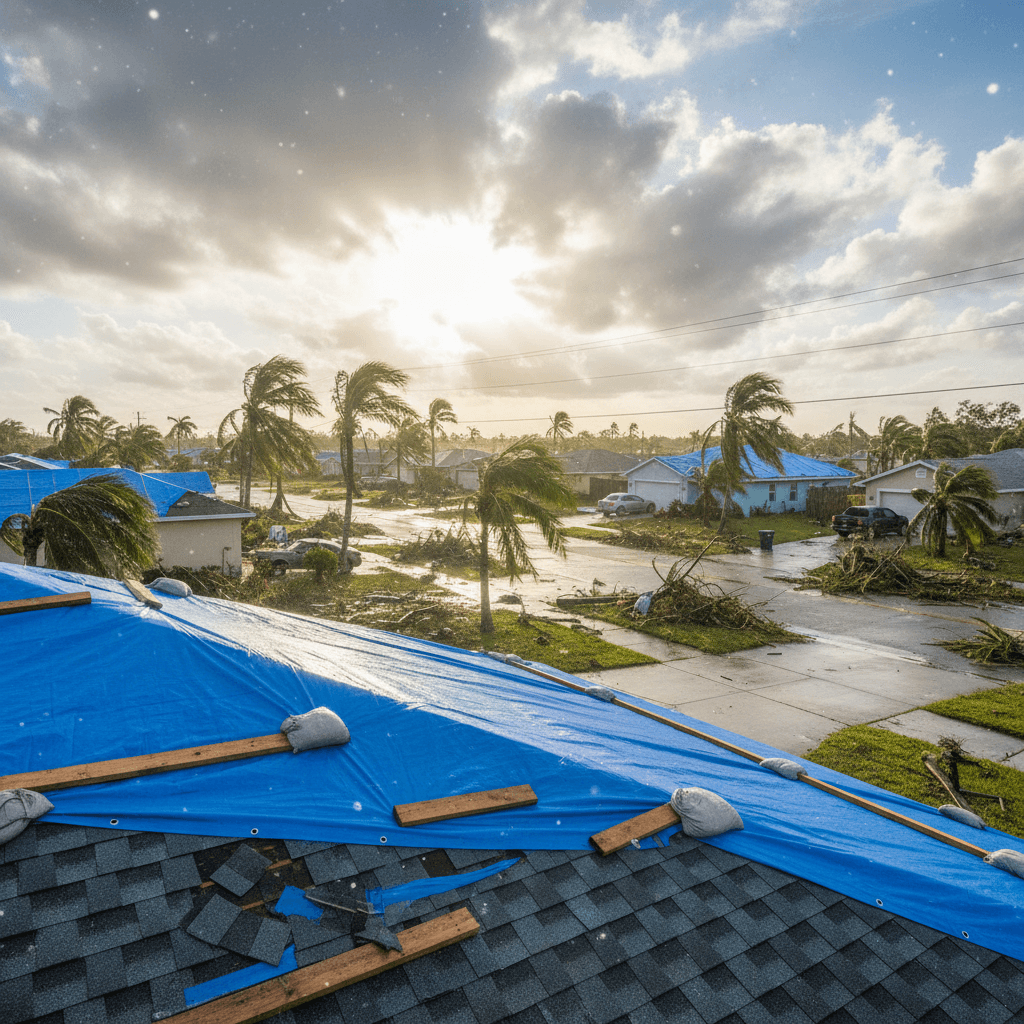
When the Storm Passes: Your Roof's First 24 Hours
As a business owner who started on the ground, dealing with real-world storm damage across Florida, I've seen firsthand the chaos and stress a hurricane or tropical storm can bring. When the winds die down and the rain stops, the real work often begins. For your roof, those first 24 hours are absolutely critical. What you do – or don't do – in that immediate aftermath can significantly impact your property's safety, the extent of further damage, and even your insurance claim.
Safety First: Assess Without Risking It All
Before you even think about inspecting your roof, ensure the immediate area is safe. Power lines could be down, structural integrity might be compromised, and debris can be dangerous. Stay clear of areas with standing water, especially near electrical outlets. If you suspect any immediate dangers, like a strong gas smell or severe structural collapse, evacuate and call emergency services. Your safety, and that of your family, is paramount. We've seen homeowners eager to check their roofs immediately after a storm, and while that urgency is understandable, climbing onto a damaged roof without proper safety equipment or training is a serious risk. Trust me, it’s not worth it.
Document Everything: Your Insurance Claim Starts Here
Once it's safe to move around your property, grab your phone or camera and start documenting. This is non-negotiable. Take clear, well-lit photos and videos of *all* visible damage to your roof, siding, windows, and any interior leaks. Get wide shots showing the overall damage, and close-ups highlighting specific issues like missing shingles, punctures, or water stains. Don't just focus on the obvious; capture anything that looks out of place. This visual evidence will be invaluable when you file your insurance claim. The more detailed your documentation, the smoother the claims process tends to be. Think of yourself as a detective, gathering every piece of evidence.
It's also a good idea to create a written log of what happened: the date and time the storm hit, what you observed, and when you took photos. This kind of meticulous record-keeping strengthens your position with your insurance company.
The Tarping Imperative: Protecting Against Secondary Damage
After a storm in Florida, your roof isn't just a covering; it's the first line of defense against the relentless humidity and potential for more rain. If your roof has even minor damage, it's an open invitation for water to seep in, leading to much more extensive and costly problems like mold, mildew, damaged drywall, and compromised insulation. This is where professional roof tarping comes in.
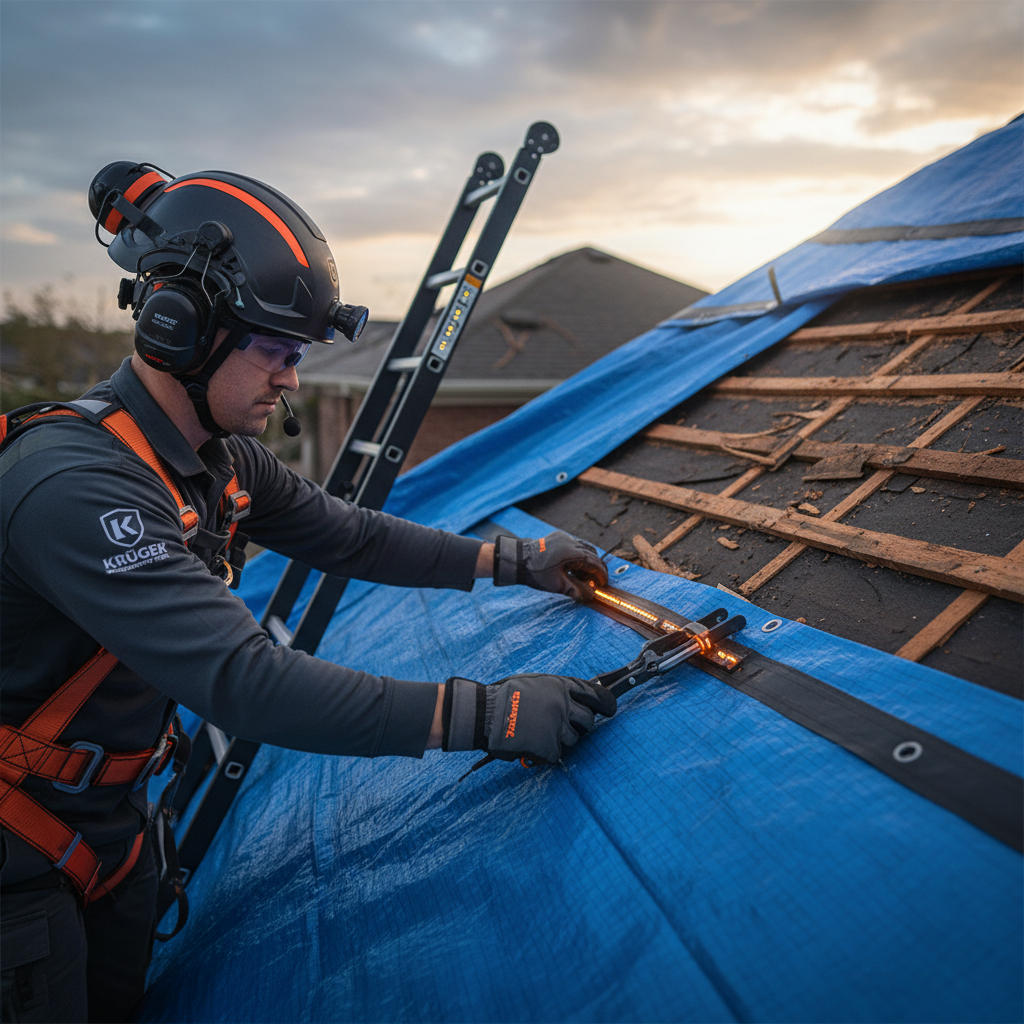
Installing a tarp might seem like a temporary fix, but it's one of the most critical steps you can take within the first 24 hours. A properly installed tarp acts as a watertight barrier, preventing further water intrusion and protecting your home's interior until permanent repairs can begin. Many homeowners try to do this themselves, but without the right equipment and experience, you risk further injury or improper installation that won't hold up against future weather or high winds. We've seen hundreds of DIY tarps torn off in the next gust, leading to even more damage.
At Krüger Disaster Recovery Team, we specialize in rapid-response roof tarping. We understand Florida's unique climate and the urgency after a storm. Our crews are trained to safely and effectively secure your roof, often using methods that can withstand the elements better than standard practices. Getting a professional tarp on your roof quickly not only safeguards your property but also shows your insurance company that you took immediate, responsible action to mitigate further damage, which can be crucial for your claim.
Don't Wait for the Adjuster: Call a Trusted Roofing Professional Immediately
Many homeowners believe they need to wait for their insurance adjuster to assess the damage before doing anything. This is a common misconception, and it can be a costly one. Waiting means leaving your home exposed to the elements, risking significant secondary damage that your insurance company might later dispute. In our experience, contacting a reputable roofing professional like Krüger Disaster Recovery Team immediately after the storm is the smartest move.
We can perform an emergency inspection, provide a professional assessment of the damage, and get that essential tarp in place. Our team can also help you understand the extent of the damage from a roofing perspective, which can be incredibly helpful when you speak with your adjuster. We know what to look for – not just the obvious holes, but also less visible signs of impact damage or wind uplift that could lead to future leaks.
Navigating Your Insurance Claim: What to Say and Do
Once your property is secured, contact your insurance company to initiate a claim. Be factual and honest about the damage you've observed. Reference your detailed documentation. It’s important to remember a few key things when dealing with your insurer:
- Be specific but don't speculate: Describe what you see, but avoid guessing at the cause or the full extent of hidden damage.
- Don't minimize the damage: It's human nature to hope for the best, but underreporting damage can hurt your claim. Report everything you've documented.
- Understand your policy: Familiarize yourself with your policy's deductibles, coverage limits, and what types of storm damage are covered. Websites like the Florida Office of Insurance Regulation offer valuable resources.
- Request a copy of the adjuster's report: Once the adjuster visits, ask for a copy of their findings.
We've worked with countless adjusters and can guide you through the process, helping ensure your claim accurately reflects the damage and the necessary repairs.
Avoid DIY Permanent Repairs (Beyond Emergency Tarping)
While an emergency tarp is vital, attempting significant DIY roof repairs after a storm is generally not advisable. You might invalidate parts of your warranty, cause further damage due to improper techniques, or even injure yourself. Additionally, shoddy repairs might not pass inspection under Florida's stringent building codes, which are often updated after major storm events to ensure greater resilience against future weather. Leave the full roof repair or replacement to licensed professionals who understand these codes and have the proper training and insurance.
Florida's Unique Roofing Challenge
Living in Florida means dealing with unique challenges. Our intense sun, high humidity, and, of course, hurricane season put immense stress on roofing materials. What might be a minor issue in another state can quickly escalate into a major problem here. That's why having a robust roof and swift action after a storm are so important. We build and repair roofs with these conditions in mind, ensuring your home is protected for years to come.
The Road Ahead: From Tarp to New Roof
After the initial chaos, and with your roof securely tarped, the next step is planning for permanent repairs or replacement. This is a journey we're here to guide you through. From helping you understand estimates to working with your insurance company, our goal is to restore your peace of mind and your home's integrity. We pride ourselves on delivering high-quality roofing solutions that stand up to Florida's toughest weather.
Don't let storm damage fester. Take control of the situation in those crucial first 24 hours. If your roof has suffered storm damage, don't delay. Call Krüger Disaster Recovery Team today for a free inspection and emergency tarping services. We’re here to help you recover quickly and correctly.

Written by
Gus Kruger
CEO at Krüger
Gus Kruger is the founder and CEO of Krüger Disaster Recovery Team, a Florida-based company specializing in emergency property protection, roofing, and fencing. Since 2016, Gus has built the company from a one-man roof tarp operation into a full-service team of 50+ professionals, serving over 30,000 properties across Florida and the Southeast U.S. A preferred vendor for major insurance carriers, BBB A+ rated, and licensed & insured, Gus leads Krüger with a hands-on approach rooted in fast response, honest work, and long-term property solutions.