Still Waiting: Why Florida Families Get Stuck After Hurricanes
 Gus Kruger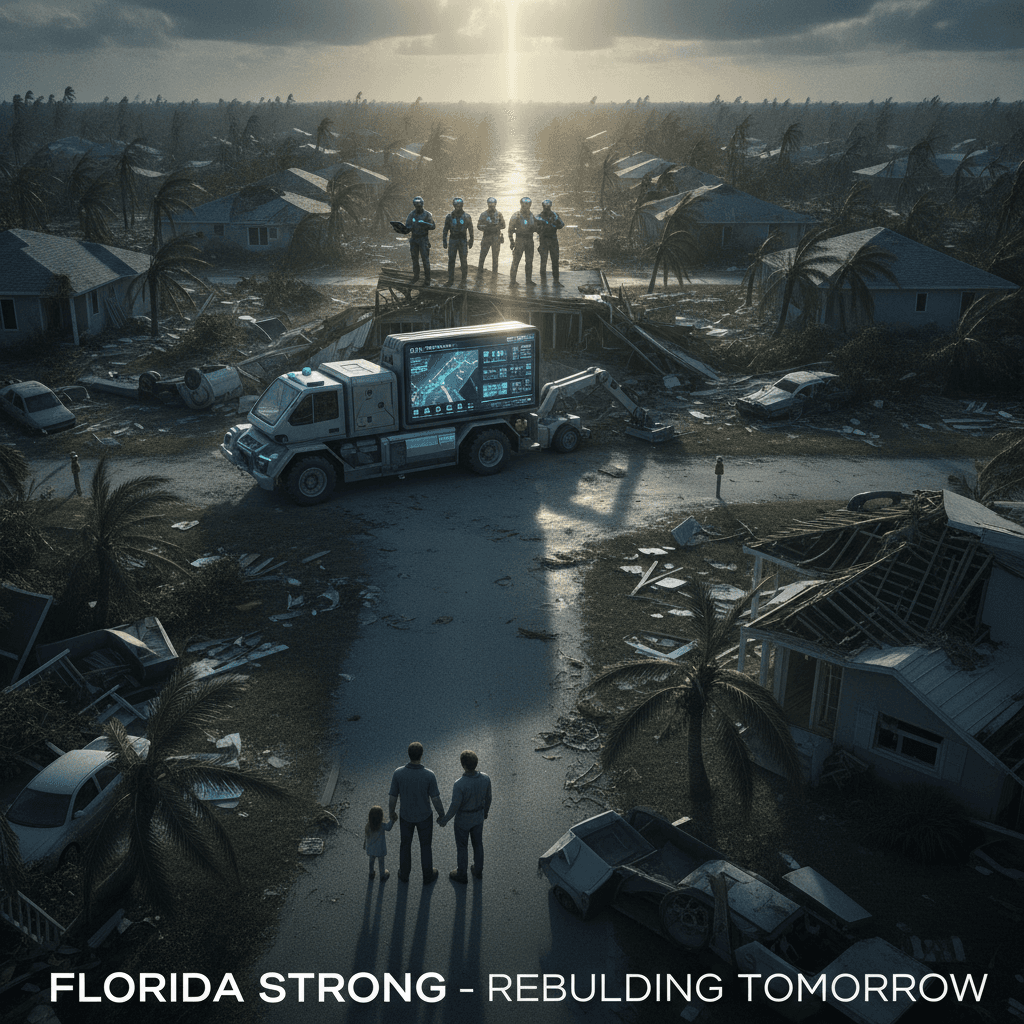
It’s heartbreaking, but it’s a reality we see far too often here in Florida. Two years after Hurricane Helene swept through, families in North Florida are still waiting to rebuild their homes and get their lives back on track, as reported by WTXL ABC 27 Tallahassee News. That’s not just a statistic; it’s two years of uncertainty, stress, and living in limbo for our neighbors. As someone who’s been in this business for decades, helping folks pick up the pieces after storms, I can tell you this kind of delay is unacceptable, but unfortunately, it's also not uncommon.
At Krüger Disaster Recovery Team, we've seen this scenario play out countless times after major hurricanes like Helene. When a big storm hits, it's like a tidal wave of problems, and homeowners can easily get swamped. But you shouldn't have to wait years to get your home back. There are specific reasons these delays happen, and more importantly, there are steps you can take to protect yourself and your property.
Why Do Rebuilds Get Stuck for So Long?
When you're dealing with hurricane damage in Florida, it's never as simple as just calling a contractor. There's a complex dance involving insurance companies, building codes, and often, a shortage of reputable professionals. Let’s break down the common pitfalls:
1. Insurance Claim Nightmares
- Underpaid or Denied Claims: This is probably the biggest hurdle. Insurance companies are businesses, and sometimes, they’ll try to pay out as little as possible. They might initially deny a claim or offer a settlement that doesn't fully cover the actual cost of repairs, leaving homeowners short.
- Slow Processing: Even legitimate claims can get bogged down in bureaucracy. With thousands of claims pouring in after a major storm, adjusters get overwhelmed, and your claim can sit for weeks or months. Florida law requires insurers to acknowledge a claim within 14 days and investigate within 14 days, but the path to full payment can still be long.
- Disputes Over Scope of Damage: What you see as a total roof replacement, your adjuster might see as a few patch repairs. These disagreements can lead to lengthy back-and-forths, often requiring expert intervention.
2. Contractor Conundrums
- Out-of-State "Storm Chasers": After a hurricane, our state gets flooded with contractors from other areas. Many are legitimate, but some are just looking for a quick buck, lack proper licensing, or disappear before the job is done. They don’t understand Florida building codes or local permitting processes, which can cause massive delays and shoddy work.
- Lack of Local Expertise: Florida's unique climate and building codes mean you need someone who knows what they're doing. Humidity, salt air, and specific hurricane-resistant standards aren't universal. A contractor who doesn't understand these can make costly mistakes. The Florida Building Code is constantly updated, especially after major storms, to ensure homes are more resilient, and your contractor needs to be on top of these changes.
- Resource Shortages: After a widespread disaster, there can be a shortage of skilled labor and specific building materials, driving up costs and extending timelines.
3. Permitting and Building Code Hurdles
Florida has some of the strictest building codes in the nation, and for good reason – they’re designed to protect us from hurricanes. But these codes can also add layers of complexity to rebuilding. Permitting offices get swamped, inspections take time, and if your contractor isn't familiar with the latest requirements for wind mitigation or structural integrity, you’ll face delays.
Empowering Yourself: What You Can Do
While the situation for many North Florida families is tough, you don't have to be a victim of circumstance. Being proactive and informed is your best defense. Here's what we tell every property owner:
1. Act Immediately After the Storm
Don’t wait. As soon as it's safe, document everything. Take photos and videos of all damage, inside and out. Don't throw anything away until your insurance adjuster has seen it or you've fully documented it. This immediate action creates a clear timeline and evidence for your claim.
2. Understand Your Insurance Policy
Before a storm even hits, know what your policy covers. What's your deductible? Do you have "replacement cost value" or "actual cash value"? Do you have coverage for additional living expenses if you're displaced? The more you know, the better equipped you are to challenge an unfair offer. If you're struggling to understand the jargon, consider seeking help from a professional.
3. Choose Your Recovery Team Wisely
This is crucial. You need a contractor who is:
- Local and Established: They understand Florida's climate, codes, and are invested in the community.
- Licensed and Insured: Always verify their credentials with the Florida Department of Business and Professional Regulation.
- Experienced with Insurance Claims: A good contractor will help you navigate the claims process, working with your adjuster to ensure all damage is properly assessed and accounted for. We often find ourselves providing detailed reports and estimates that align with what insurance *should* cover, based on real repair costs and building codes.
- Reputable: Check references, reviews, and their standing with the Better Business Bureau.
4. Be Persistent with Your Insurance Claim
If your claim is underpaid or denied, don't give up. Request a detailed explanation for their decision. If you disagree, you have options:
- File a Supplemental Claim: Often, damage isn't fully apparent until repairs begin. Your contractor might find hidden damage.
- Request Re-inspection: Ask for a different adjuster or a supervisory adjuster to reassess.
- Consider a Public Adjuster or Attorney: For complex or severely underpaid claims, a public adjuster works for you, not the insurance company. They can be invaluable in negotiating a fair settlement. Legal counsel specializing in property insurance can also be a powerful advocate. According to the Florida Office of Insurance Regulation, homeowners have rights throughout the claims process, and understanding these can be vital.
Don't Get Stuck in Limbo
Seeing families struggle for two years after a hurricane is a stark reminder of how challenging disaster recovery can be. But with the right knowledge and the right team, you can avoid becoming another statistic. Your home is your biggest investment, and you deserve a swift, thorough, and fair recovery.
Don't let the complexities of hurricane damage and insurance claims overwhelm you. We’re here to help you navigate these choppy waters. If you've been impacted by a storm or are still dealing with lingering damage, reach out. A free, no-obligation inspection can provide the clarity and direction you need to move forward.

Written by
Gus Kruger
CEO at Krüger
Gus Kruger is the founder and CEO of Krüger Disaster Recovery Team, a Florida-based company specializing in emergency property protection, roofing, and fencing. Since 2016, Gus has built the company from a one-man roof tarp operation into a full-service team of 50+ professionals, serving over 30,000 properties across Florida and the Southeast U.S. A preferred vendor for major insurance carriers, BBB A+ rated, and licensed & insured, Gus leads Krüger with a hands-on approach rooted in fast response, honest work, and long-term property solutions.