Quiet Atlantic Outlook: Your Chance to Prepare for Hurricane Season
 Gus Kruger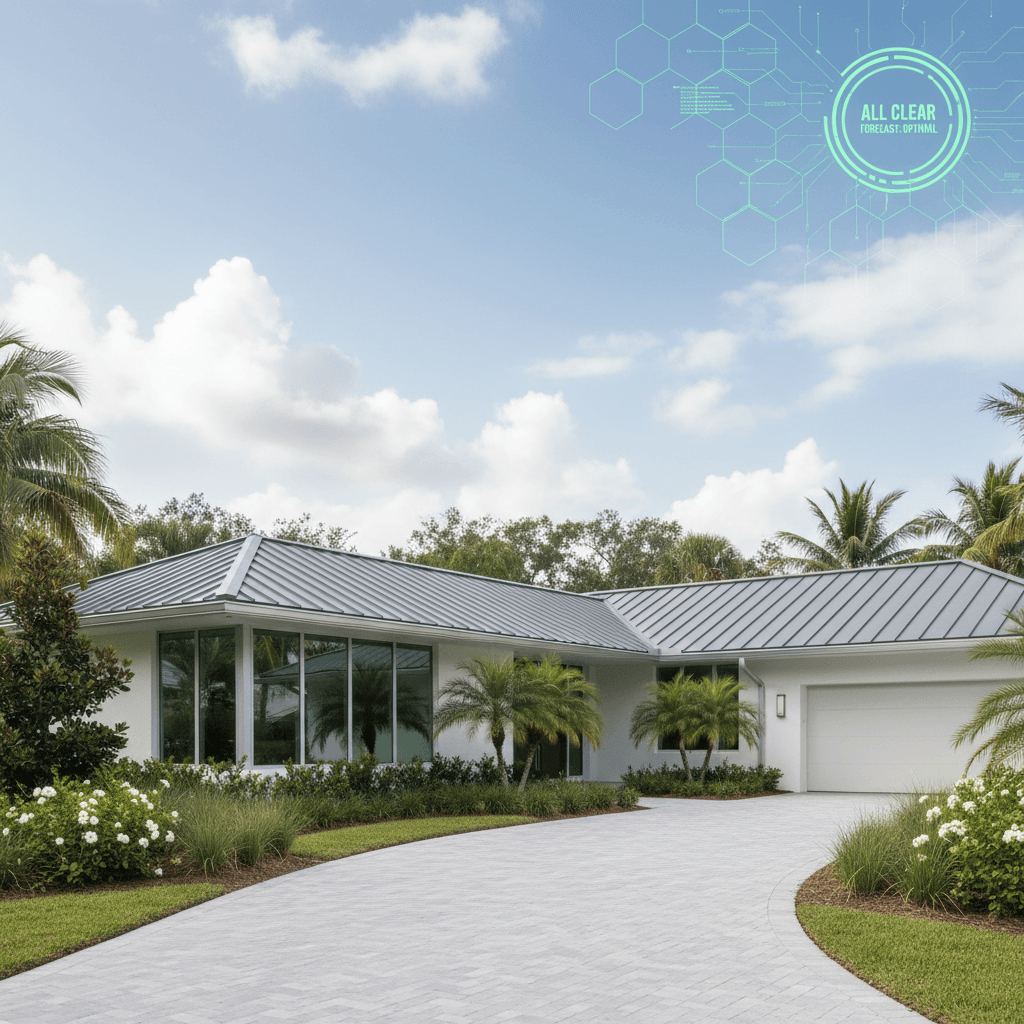
A Quiet Start: What the Atlantic Tropical Weather Outlook Means for Florida
Here in Florida, we live and breathe the Atlantic hurricane season. Every year, from June 1st to November 30th, our eyes are glued to the forecasts, always ready for whatever the ocean might throw our way. So, when we see an outlook like the one issued by the National Hurricane Center on May 20, 2026, stating that tropical cyclone formation is not expected in the North Atlantic, Caribbean Sea, or Gulf of America for the next 7 days, it’s certainly welcome news.
But as a property owner and someone who’s been dealing with the aftermath of severe weather for decades, let me tell you straight: a quiet outlook for the next week doesn't mean we can let our guard down. It means we have a precious window of opportunity. This calm period is not a reason to relax; it’s a golden chance to get your property truly ready before the season ramps up.
Florida's Storm Reality: The Long Game of Preparedness
Living in the Sunshine State means understanding that the hurricane season is a marathon, not a sprint. We know firsthand that things can change in a hurry. One day it's clear skies, the next you're tracking a tropical depression that seems to be headed straight for your county. The National Oceanic and Atmospheric Administration (NOAA) typically releases its seasonal hurricane outlooks each May, and these give us a broader picture, often predicting an above-average season due to factors like warmer ocean temperatures and La Niña conditions.
So, while the immediate forecast is good, we need to keep our long-term perspective. Every hurricane season presents unique challenges, and Florida's Division of Emergency Management consistently stresses the importance of individual and community preparedness.
Understanding the NHC Outlook: A Short-Term Snapshot
The Tropical Weather Outlook you see from the NHC is a short-term forecast, focusing on the likelihood of tropical cyclone formation over the next two to seven days. It’s incredibly valuable for immediate planning, but it doesn't predict the entire season. Think of it like checking your daily weather app – it tells you what to expect today and tomorrow, not what next month's weather will be like. This current outlook is a momentary sigh of relief, giving us a strategic advantage to solidify our defenses.
The 'Off-Season' for Storms is the 'On-Season' for Property Protection
At Krüger Disaster Recovery Team, we've seen countless homeowners face serious hurricane damage because they waited until a storm was imminent. Don't be that person. Use this quiet period wisely. This is your prime time to focus on proactive property maintenance and fortify your home against the severe weather that *will* eventually come.
Roof Inspections Are Non-Negotiable
Your roof is your home's first line of defense against hurricane damage. Here in Florida, our roofs take a beating not just from high winds and torrential rains, but also from constant sun exposure, humidity, and daily thermal expansion and contraction. Even if your roof looks fine from the ground, there could be hidden issues.
- Check for Missing or Damaged Shingles: High winds can lift and tear shingles, creating entry points for water.
- Look for Granule Loss: This reduces the protective capabilities of asphalt shingles and is a sign of aging.
- Inspect Flashing: Areas around chimneys, vents, and skylights are common leak points if the flashing is compromised.
- Address Soft Spots: These could indicate water damage or rot in the decking beneath.
We've walked hundreds of roofs after even minor tropical storms and found pre-existing damage that homeowners never knew about. A thorough, professional roof inspection can identify these vulnerabilities now, allowing you to make repairs before a small issue becomes a massive claim after a major storm.
Gutter and Drainage Systems: Your Flood Prevention Team
It’s not just about the wind; it’s about the water. Florida's heavy downpours can quickly overwhelm a poorly maintained drainage system. Clogged gutters can cause water to back up, leading to fascia rot, soffit damage, and even foundation issues. Ensure your gutters are clear of debris and properly sloped, and that downspouts direct water away from your home's foundation. Good drainage is crucial for preventing devastating water intrusion and protecting your property's structural integrity.
Landscaping and Debris: Mitigating Projectile Hazards
During a hurricane, anything not tied down can become a projectile. Trim dead or weak tree branches that could fall onto your roof or property. Clear out any loose items from your yard, such as old furniture, toys, or construction materials. Consider bringing in or securing outdoor furniture and decorative items. These simple steps can significantly reduce potential hurricane damage from flying debris.
Review Your Insurance Policy: Know Before the Storm Hits
This is perhaps one of the most critical steps, and it's often overlooked until it's too late. Grab your homeowners' insurance policy and actually read it. Pay close attention to:
- Deductibles: Florida often has separate, higher deductibles for hurricane damage, usually a percentage of your home's insured value. Make sure you understand how this works.
- Coverage Limits: Are your dwelling, personal property, and other structures adequately covered?
- Exclusions: What specifically isn't covered? Flood damage, for instance, is typically separate and requires a National Flood Insurance Program (NFIP) policy.
- Living Expenses: Does your policy cover additional living expenses if you're displaced after a storm?
Understanding your policy now means you won't be surprised later. It also puts you in a much stronger position when working with adjusters after a claim. We’ve helped countless homeowners navigate the claims process, and those who understood their policies always had a smoother experience.
Our Experience: Don't Wait for the Warning
Here at Krüger Disaster Recovery Team, we've been on the ground after every major storm to hit Florida in recent memory. We've seen the devastation of homes after hurricanes like Charley, Irma, Ian, and Nicole. The common thread among those who recover more smoothly isn't luck; it's preparation. The time to prepare for severe weather is not when a storm cone is pointed at your county, but right now, during these quieter periods.
Florida's building codes are among the most stringent in the nation, thanks to lessons learned from past hurricanes. While newer homes are built to withstand stronger winds, older properties may not meet current standards and require extra vigilance. Regular maintenance and strategic upgrades can make all the difference in protecting your investment.
Take Action Now: Secure Your Peace of Mind
This current Atlantic Tropical Weather Outlook is a gift of time. Don't waste it. Use this week, and the weeks to come, to thoroughly prepare your home and your family for whatever the rest of hurricane season brings. Being proactive protects your property, your family, and your financial well-being.
If you're unsure where to start, or if you suspect your roof might have hidden issues, don't hesitate to reach out. We offer free, comprehensive inspections to give you an honest assessment of your home's storm readiness. Let’s get your property fortified, so you can face the season with confidence.

Written by
Gus Kruger
CEO at Krüger
Gus Kruger is the founder and CEO of Krüger Disaster Recovery Team, a Florida-based company specializing in emergency property protection, roofing, and fencing. Since 2016, Gus has built the company from a one-man roof tarp operation into a full-service team of 50+ professionals, serving over 30,000 properties across Florida and the Southeast U.S. A preferred vendor for major insurance carriers, BBB A+ rated, and licensed & insured, Gus leads Krüger with a hands-on approach rooted in fast response, honest work, and long-term property solutions.