
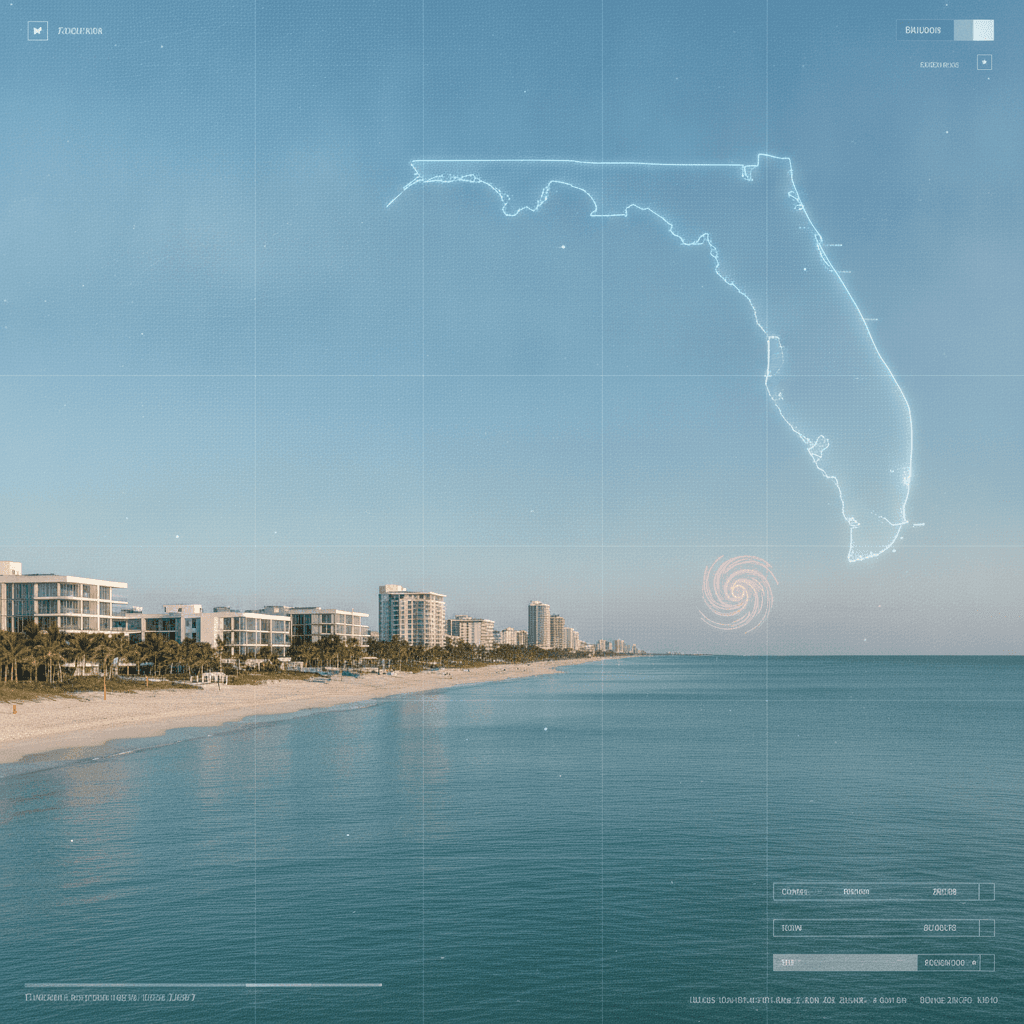
A Breather from the Tropics, But Florida Never Rests
Just got the latest word from the National Hurricane Center's Tropical Weather Outlook, and for the next seven days, they're not expecting any tropical cyclone formation in the North Atlantic, Caribbean Sea, or Gulf of Mexico. That's good news for us Floridians, right? A week without watching spaghetti models or refreshing radar every hour. It gives us all a little breathing room, a moment to exhale in what can often be a high-stress hurricane season.
But hold on a second. If you've lived in Florida for any length of time, you know that "seven days" isn't the whole story. While a clear outlook is always welcome, it doesn't mean we can drop our guard entirely. It's a reminder that even in quieter periods, the groundwork for protecting your property and investment needs to be a constant.
The Reality of Florida's Hurricane Season: More Than Just a Forecast
Here in Florida, hurricane season officially runs from June 1st to November 30th. While September is often considered the peak, we've seen powerful storms develop early, late, and everything in between. Tropical storms, and even hurricanes, can pop up quickly, sometimes giving us only a few days' notice. That's why relying solely on a short-term outlook, no matter how good it is, isn't a strategy for long-term protection.
We've seen this hundreds of times at Krüger Disaster Recovery Team. A homeowner might breathe easy during a quiet spell, only to be caught off guard by a system that rapidly intensifies. It’s not about fear-mongering; it's about being smart and proactive. Florida's weather patterns, coupled with the sheer force of hurricanes and tropical storms, demand a different level of readiness than almost anywhere else in the country.
Beyond the Wind: Understanding Florida's Unique Storm Challenges
When most people think of hurricane damage, they picture catastrophic wind tearing off roofs. And yes, wind is a major concern. Florida's stringent building codes, particularly in areas prone to high winds, mandate things like hurricane straps, impact-resistant windows, and specific roofing requirements. These codes, which have evolved significantly since hurricanes like Andrew, are designed to make our homes more resilient. But wind is just one piece of the puzzle.
Tropical systems bring immense amounts of rain, leading to widespread flooding. This isn't just coastal storm surge; it's inland flooding from torrential downpours that can swamp neighborhoods and overwhelm drainage systems. Water intrusion, even from what seems like a minor leak, can lead to significant structural damage, mold growth, and costly repairs down the line. Add Florida's notorious humidity to the mix, and you've got a perfect recipe for a small water problem becoming a large mold remediation nightmare in a matter of days.
Then there's the less obvious damage: prolonged power outages impacting refrigeration, fallen trees damaging fences or secondary structures, or even just the stress of preparing and evacuating. Each of these components adds to the overall impact on a property owner.
Your Roof: The First Line of Defense, Always
I always tell folks their roof is like the helmet for their entire home. It takes the brunt of the weather, and its integrity is non-negotiable, especially in Florida. Even when there are no storms on the horizon, regular maintenance and inspections are crucial.
- Look for Small Issues: Missing shingles, cracked tiles, loose flashing around vents or chimneys – these tiny problems can become massive entry points for water during even a moderate tropical storm.
- Clear Debris: Keep your gutters clear of leaves and debris. Clogged gutters can cause water to back up, leading to fascia and soffit damage, and even water intrusion into your attic.
- Trim Trees: Overhanging branches can become projectiles in high winds, or simply rub against your roof, causing abrasion over time.
At Krüger Disaster Recovery Team, we've got a specialized eye for these things. A professional inspection can identify vulnerabilities you might miss, giving you peace of mind and the chance to address issues *before* a storm decides to pay a visit.
Navigating Insurance Claims: Be Prepared, Not Surprised
Another critical aspect of preparedness that homeowners often overlook until it's too late is understanding their insurance policy. Your insurance is your safety net, but it only works if you know what it covers and what it requires from you. We always advise:
- Review Your Policy Annually: Understand your deductibles, especially hurricane deductibles, and what specific types of damage (like flood damage) might require separate policies.
- Document Everything: Before a storm, take photos or videos of your home's interior and exterior. This documentation is invaluable if you need to file a claim.
- Know Your Rights: If you do suffer damage, contact your insurer promptly. But remember, you have the right to get independent assessments. We've worked alongside countless adjusters and helped homeowners navigate complex claims to ensure they get a fair settlement for the repairs needed.
The goal is to be in a position where, if the worst happens, you're not scrambling to figure things out while dealing with the stress of damage. You should already have a clear plan.
Stay Vigilant, Stay Ready
So, while it’s great to see a calm forecast from the National Hurricane Center for the next seven days, let's use this time wisely. Think of it as a bonus window to double-check your preparations, not an excuse to forget about them. Florida living means being ready for anything the Atlantic decides to throw our way.
Your property is a huge investment, and protecting it is an ongoing commitment. If you've got questions about your roof's readiness, need advice on storm damage prevention, or just want a professional eye on things, give us a shout. We're always here to help Floridians keep their homes safe and sound.

Written by
Gus Kruger
CEO at Krüger
Gus Kruger is the founder and CEO of Krüger Disaster Recovery Team, a Florida-based company specializing in emergency property protection, roofing, and fencing. Since 2016, Gus has built the company from a one-man roof tarp operation into a full-service team of 50+ professionals, serving over 30,000 properties across Florida and the Southeast U.S. A preferred vendor for major insurance carriers, BBB A+ rated, and licensed & insured, Gus leads Krüger with a hands-on approach rooted in fast response, honest work, and long-term property solutions.