
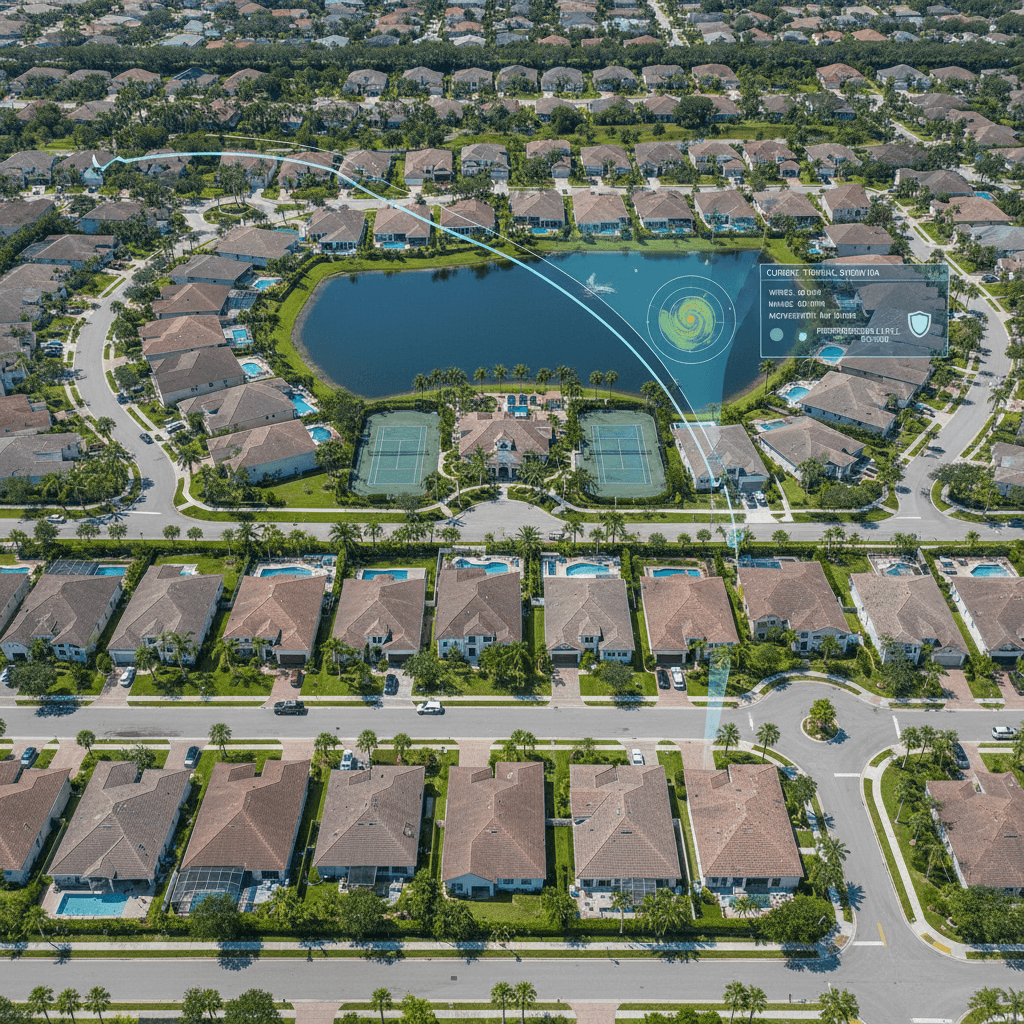
A Brief Respite: What the Latest Tropical Outlook Means for Florida Property Owners
Down here in Florida, we live by the sun and the storms. So, when the National Hurricane Center (NHC) issues its Tropical Weather Outlook, we pay close attention. The latest update, as of June 5, 2026, from Forecaster Berg, states clearly: “Tropical cyclone formation is not expected during the next 7 days” for the North Atlantic, Caribbean Sea, and Gulf of America. Now, that’s good news, isn’t it? A whole week without immediate worry about a named storm spinning up. But as someone who’s been in this business for decades, helping folks rebuild their lives and properties after the worst storms, I’ve learned that “no immediate threat” never means “no threat at all” when you live in the Sunshine State.
This quiet period isn’t a time to relax our guard; it’s a golden opportunity. It’s a chance to get things in order, to make sure your home and your investment are ready for what truly is an unpredictable hurricane season. We've seen this play out hundreds of times: one day it's clear, the next a system is forming quickly in the Gulf or Atlantic, heading our way. Florida’s hurricane season officially runs from June 1st to November 30th, with the peak months typically being August, September, and October. We’re just getting started.
Why Proactive Preparedness is Your Best Defense
Think of this seven-day lull as a timeout in a championship game. You wouldn't just sit there; you’d be reviewing plays, checking your gear, and getting ready for the next quarter. The same goes for your property. When a hurricane or even a strong tropical storm rolls through, it brings a trifecta of destructive forces: powerful winds, torrential rain, and often, storm surge. Each one can wreak havoc, but their combined impact can be devastating. Protecting your property isn't just about bouncing back; it's about minimizing the damage in the first place, and that starts long before the radar shows a swirling mass.
1. The Roof Over Your Head: Your First Line of Defense
Your roof is the most vulnerable part of your home during a storm, and arguably the most critical to inspect regularly. Wind can lift shingles, exposing the underlying decking to water. Even small leaks can lead to significant interior damage, mold growth, and structural issues over time. During this calm period, it's the perfect time for a professional roof inspection. At Krüger Disaster Recovery Team, we don't just look for obvious damage; we check for loose shingles, compromised flashing around chimneys and vents, and the overall integrity of your roofing system. We understand Florida building codes inside and out, knowing exactly what to look for that might not meet current standards and could fail in a storm.
2. Property Maintenance: Beyond the Roof
Beyond the roof, a thorough property check is essential. Clear your gutters and downspouts. Clogged gutters can cause water to back up, leading to fascia damage, foundation issues, and even interior leaks. Trim any overhanging tree branches that could become projectiles in high winds. Secure loose items in your yard – patio furniture, garbage cans, even decorative items can become dangerous missiles. Don't forget your windows and doors. Are they properly sealed? Do you have hurricane shutters, and are they in good working order? A small investment in sealing or maintenance now can save you a fortune in repairs later.
3. Understanding Your Insurance Policy: No Surprises
This is where many property owners get caught off guard. After a storm hits, the last thing you want to be doing is scrambling to understand your insurance policy. Use this quiet week to pull out your homeowner’s insurance policy and read it – thoroughly. Understand your deductibles, especially your hurricane deductible, which is often a percentage of your home’s insured value, not a flat dollar amount. Know what’s covered and what isn’t. Are you covered for wind damage? What about water damage from flooding versus wind-driven rain? If you have questions, call your agent now, not after the storm. We’ve worked with countless adjusters and insurance companies over the years, and knowing your policy’s specifics will greatly streamline any potential claims process.
Florida-Specific Challenges: Humidity and Building Codes
Living in Florida means dealing with unique challenges. Our high humidity levels mean that even minor water intrusion can quickly lead to mold, which complicates and increases the cost of repairs. This is why immediate action after a storm, and preventative maintenance before one, are so critical. Furthermore, Florida has some of the most stringent building codes in the country, constantly evolving after lessons learned from past hurricanes. Ensuring your home meets current codes for wind mitigation, roof strapping, and impact resistance isn't just about compliance; it's about making your property more resilient.
According to the Florida Division of Emergency Management, having an updated family disaster plan and securing your home are among the top priorities for hurricane preparedness. This includes knowing your evacuation routes, having emergency supplies, and yes, hardening your home.
Don’t Wait for the Warning
While the NHC outlook gives us a moment to breathe, it’s a reminder that hurricane season is a marathon, not a sprint. We might have 7 days without an immediate tropical threat, but we have many more weeks and months of potential activity ahead. Use this time wisely. Inspect, prepare, and educate yourself. Your property is a significant investment, and protecting it from the forces of nature requires vigilance and proactive steps.
At Krüger Disaster Recovery Team, we’re not just about fixing things after they break; we’re about helping you prepare so you don’t have to face the worst. If you have any concerns about your home’s readiness for the season, or if you just want peace of mind, give us a call. We offer free, no-obligation property inspections to help you identify potential vulnerabilities before they become major problems. Stay safe, Florida – and stay prepared.

Written by
Gus Kruger
CEO at Krüger
Gus Kruger is the founder and CEO of Krüger Disaster Recovery Team, a Florida-based company specializing in emergency property protection, roofing, and fencing. Since 2016, Gus has built the company from a one-man roof tarp operation into a full-service team of 50+ professionals, serving over 30,000 properties across Florida and the Southeast U.S. A preferred vendor for major insurance carriers, BBB A+ rated, and licensed & insured, Gus leads Krüger with a hands-on approach rooted in fast response, honest work, and long-term property solutions.