
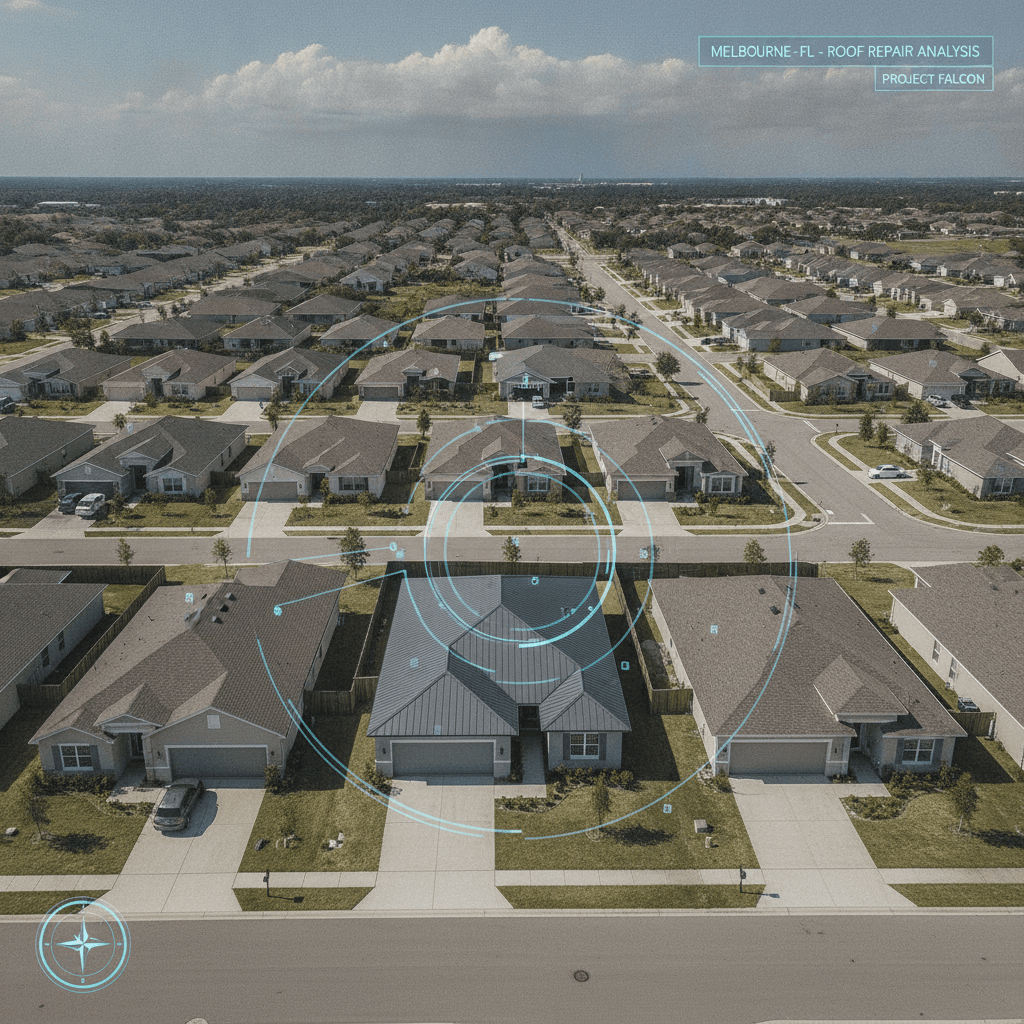
Keeping Your Lid On: What Every Melbourne Homeowner Needs to Know About Their Roof
Down here in Florida, especially in places like Melbourne, our roofs aren't just hats for our homes – they're the frontline defense against everything Mother Nature throws at us. From the relentless summer sun to the sudden, violent onslaught of hurricane season, a good roof isn't a luxury; it's a necessity. We've seen firsthand how crucial it is to have a strong, well-maintained roof, and why quick, knowledgeable action on any damage can save you a world of hurt and expense down the line.
It's interesting to see news outlets, even those from out of state like The Des Moines Register, pick up on the demand for roofing services in our area. That just shows you the ongoing need and the constant battle we're in to keep our properties safe. For us at Krüger Disaster Recovery, it's not just about hammering nails; it's about protecting your biggest investment.
The Unique Challenges of a Florida Roof
A roof in Melbourne, Florida, isn't living the easy life. It’s exposed to conditions that roofs in other parts of the country rarely see. We're talking:
- Intense UV Exposure: The Florida sun bakes materials, causing them to degrade faster than you'd expect. Shingles become brittle, sealants dry out, and colors fade, weakening the entire system.
- Tropical Storms and Hurricanes: This is the big one. High winds, torrential rain, and airborne debris can cause catastrophic damage in a matter of hours. We've seen roofs peeled back like tin cans and homes completely exposed. Preparing for and reacting to these events is paramount, as emphasized by resources like the Florida Division of Emergency Management.
- Humidity and Moisture: Constant humidity fosters mold, mildew, and algae growth, which can break down roofing materials and trap moisture, leading to rot in underlying structures.
- Building Codes: Florida's building codes, enforced by the Florida Building Commission, are among the toughest in the nation for a reason. They mandate stronger materials and installation techniques to withstand hurricane-force winds. Knowing these codes inside and out is crucial for any repair or replacement.
Spotting Roof Damage: What to Look For
You don't need to be a roofing pro to spot the early signs of roof damage. A quick visual check after a storm or a routine walk-around every few months can save you significant repair costs. Here’s what we always tell homeowners to keep an eye out for:
- Missing or Damaged Shingles: Obvious, I know, but check for curled edges, cracks, or entire shingles missing. Even a single missing shingle can allow water to seep in.
- Granules in Gutters: Shingles lose their protective granules over time. If you see a lot of them accumulating in your gutters, it’s a sign your roof is aging and losing its defense.
- Sagging or Uneven Spots: This could indicate structural damage or significant water intrusion that has weakened the decking underneath.
- Water Stains Indoors: Stains on your ceilings or walls are a dead giveaway that water is getting in. Don't ignore them; they usually mean the problem is already advanced.
- Debris on the Roof: After a storm, branches or other debris can cause impact damage or scratch away protective layers.
When It's an Emergency Roof Situation
Sometimes, damage requires immediate attention. An emergency roof repair isn't just about stopping a leak; it's about preventing further, more extensive damage to your home's interior and structure. If you have a gaping hole, significant water intrusion, or large sections of your roof are missing after a storm, that's an emergency. Your first steps should be:
- Ensure Safety: Stay away from exposed electrical wiring or collapsing structures.
- Temporary Tarping: If safe to do so, apply a temporary tarp to minimize water entry. This is a stop-gap measure, not a permanent fix.
- Document Everything: Take photos and videos of all damage, inside and out. This documentation is critical for your insurance claim.
- Call a Professional: Don't try to make extensive repairs yourself, especially on a damaged roof. It's dangerous and often ineffective. Get a local, reputable emergency roofing service out immediately.
Repair or Roof Replacement? Making the Right Call
This is where experience really comes into play. Deciding between a roof repair and a full roof replacement depends on several factors:
- Age of the Roof: If your roof is nearing the end of its lifespan (typically 15-20 years for asphalt shingles in Florida conditions), even minor damage might warrant a full replacement. Patching an old roof often leads to more issues down the road.
- Extent of Damage: Isolated damage from a fallen branch can often be repaired. Widespread damage across multiple sections, especially after a major storm, usually points to a replacement.
- Underlying Issues: If there's significant rot or structural damage to the decking, a replacement is almost always the smarter, safer choice.
- Florida Building Codes: Many older roofs won't meet current Florida hurricane mitigation codes. A replacement allows you to upgrade to materials and installation techniques that offer superior protection, potentially even lowering your insurance premiums.
We've seen countless homeowners try to squeeze a few more years out of an old roof, only to face a much more expensive emergency later. Sometimes, investing in a robust roof replacement is the most cost-effective decision in the long run.
Navigating Insurance Claims with Confidence
Dealing with insurance companies can feel like a maze, but it doesn't have to be intimidating. We've guided hundreds of property owners through the process. Here’s the gist:
- Act Promptly: Report damage to your insurer as soon as possible after discovering it.
- Detailed Documentation: Remember those photos and videos? They're your best friends here. The more evidence you have, the smoother the process.
- Meet Your Adjuster: An insurance adjuster will inspect the damage. It's often helpful to have your chosen roofing contractor present during this inspection. We can point out hidden damage and ensure nothing is missed, speaking their language when it comes to materials and building codes.
- Understand Your Policy: Know your deductible and coverage limits. The Florida Department of Financial Services offers resources to help consumers understand their property insurance.
- Don't Settle for Less: Your roof is a critical asset. Make sure the settlement covers a proper, code-compliant repair or replacement, not just the cheapest fix.
It's our job to make sure you get a fair shake and that your property is restored properly.
Choosing the Right Roofing Partner in Melbourne
When it comes to something as vital as your roof, don't just pick the first name in a search engine. You need a contractor who:
- Is Locally Experienced: They understand Florida's unique challenges and building codes.
- Is Licensed and Insured: This protects you from liability and ensures they're qualified to do the work. Always ask for proof.
- Has a Solid Reputation: Check reviews, ask for references, and look for a track record of quality work.
- Offers Clear Communication: You should understand every step of the process, from inspection to completion.
At Krüger Disaster Recovery, we pride ourselves on being that trusted partner. We're homeowners too, and we treat your property with the same care we'd give our own. We've built our reputation on honesty, hard work, and results that stand up to the Florida weather.
Your Roof's Lifeline: Proactive Maintenance
Even the toughest roofs benefit from a little TLC. Regular inspections, keeping gutters clear, and promptly addressing minor issues can significantly extend your roof's life and prevent those small problems from becoming massive headaches. Think of it as preventative medicine for your home.
Don't Wait for the Next Storm
Whether you've noticed a few missing shingles, suspect a leak, or just want peace of mind about your roof's condition, don't put it off. The cost of neglect always outweighs the cost of timely action. In Melbourne, your roof is more than just a cover; it's a shield. Make sure it's ready for anything.
If you're in Melbourne or the surrounding areas and have questions about your roof, or if you suspect damage, give us a call. We're always here to offer a no-nonsense, honest assessment and help you navigate the best path forward.

Written by
Gus Kruger
CEO at Krüger
Gus Kruger is the founder and CEO of Krüger Disaster Recovery Team, a Florida-based company specializing in emergency property protection, roofing, and fencing. Since 2016, Gus has built the company from a one-man roof tarp operation into a full-service team of 50+ professionals, serving over 30,000 properties across Florida and the Southeast U.S. A preferred vendor for major insurance carriers, BBB A+ rated, and licensed & insured, Gus leads Krüger with a hands-on approach rooted in fast response, honest work, and long-term property solutions.