
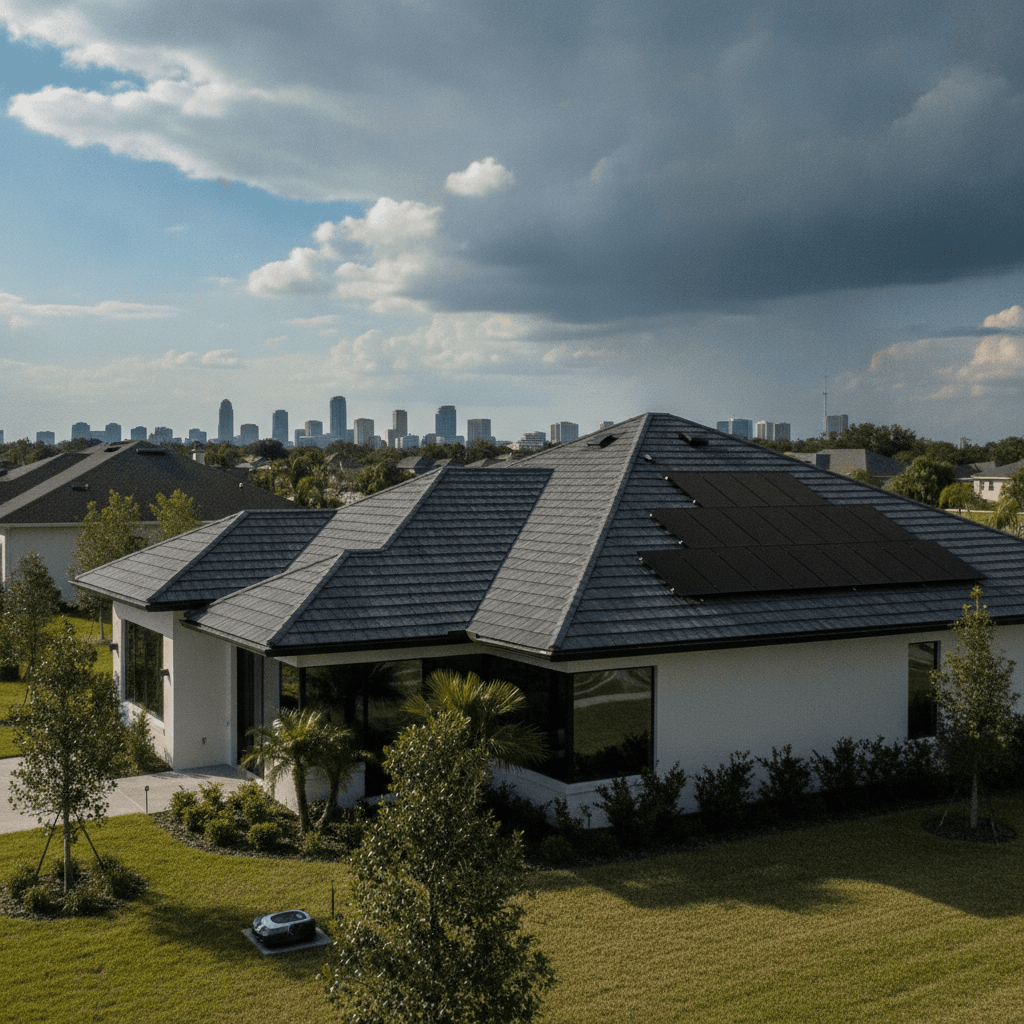
Hurricane Season Kicks Off: Orlando Roofs Face Peak Demand for Repairs
Here in Florida, the start of hurricane season isn't just marked by a date on the calendar; it's a palpable shift in the air. We know what's coming: the humidity climbs, the afternoon downpours get heavier, and everyone starts eyeing the tropical storm forecasts a little closer. For property owners in Orlando, this time of year brings a unique set of challenges, especially for your roof. We've seen it hundreds of times – as soon as the first named storm even hints at our coast, the demand for roof inspections and repairs skyrockets.
A recent report highlighted this exact trend, noting that the demand for roof repair in Orlando, FL rises with the start of hurricane season. It's not just about one big storm; it’s the cumulative effect of a full season of tropical weather, from relentless rain to high winds, that really tests the integrity of your roof.
Why Orlando's Roofs Are Particularly Vulnerable
Central Florida has its own brand of weather. While we might not always get the direct eyewall hit that coastal areas do, Orlando is certainly no stranger to hurricanes and tropical storms. The heavy winds, torrential rains, and sustained moisture take a toll. Unlike some other regions, our flat terrain means wind often has a clear path to batter properties, and the constant humidity fosters issues like algae growth and premature aging of roofing materials if not properly maintained.
We also have some of the most stringent building codes in the nation, and for good reason. Florida's Building Code, especially after the devastating hurricanes of the early 2000s, dictates specific requirements for roof installation and materials to withstand our unique climate. Understanding these codes is critical, not just for new construction but also for any repairs or replacements. A properly installed roof, adhering to the Florida Building Code, is your first line of defense.
The Silent Threat: Types of Hurricane Roof Damage
When most folks think about hurricane damage, they picture missing shingles flying off like playing cards. And yes, that's definitely a common sight. But hurricane damage goes a lot deeper, and often, the most destructive issues are the ones you can't see from the ground.
- Missing or Lifted Shingles: The obvious one. High winds can tear shingles right off, leaving the underlayment exposed. Even if they're not gone, strong gusts can lift and crease shingles, breaking their seal and making them vulnerable to future leaks.
- Flashing Damage: Flashing – the metal strips around chimneys, vents, and skylights – is crucial for waterproofing. Wind and water can bend, tear, or dislodge flashing, creating immediate pathways for water intrusion.
- Granule Loss: This often goes unnoticed. The granules on asphalt shingles protect them from UV rays. High winds can sandblast these granules off, significantly shortening the life of your roof, even if the shingle itself stays put.
- Gutter and Fascia Damage: While not part of the roof deck, damaged gutters can lead to water pooling around your foundation or flowing over the eaves, saturating your fascia and potentially leading to rot.
- Underlayment and Decking Compromise: This is the big one. If shingles are compromised, water can get to the underlayment. If that fails, it saturates the wooden decking beneath, leading to rot, mold, and even structural weakness.
The key takeaway here is that not all damage is visible. That's why a professional inspection after a significant weather event is absolutely non-negotiable.
Why Timely Roof Repair is Critical for Orlando Homeowners
I can't stress this enough: waiting to address roof damage is one of the costliest mistakes a property owner can make. What starts as a small, seemingly insignificant issue can quickly spiral out of control, especially here in Florida's humid climate.
A small leak can lead to:
- Extensive Interior Damage: Water stains on ceilings and walls are just the beginning. It can damage insulation, drywall, flooring, and even personal belongings.
- Mold and Mildew Growth: Our climate is a breeding ground for mold. Water intrusion creates the perfect environment, leading to health issues and expensive remediation.
- Structural Deterioration: Constant moisture can rot wooden trusses, rafters, and decking, compromising the structural integrity of your entire home.
- Insurance Claim Complications: Insurers typically expect homeowners to mitigate further damage. Delaying repairs can lead to your claim being partially or fully denied, as the insurance company might argue that secondary damage could have been prevented.
When you're dealing with us, Krüger Disaster Recovery Team, we emphasize acting fast. It's not just about fixing a leak; it's about protecting your entire investment.
Navigating Insurance Claims: Your Partner in Recovery
Dealing with insurance companies after a storm can feel like a maze. Adjusters have a job to do, and sometimes their initial assessment might miss hidden damage or underestimate the full scope of repairs needed. This is where having an experienced contractor on your side makes all the difference.
We've worked with countless insurance adjusters across Florida. Our process involves a thorough inspection, detailed documentation with photos and descriptions, and a comprehensive estimate that reflects the true cost of restoration according to Florida building codes. We speak their language and advocate for you to ensure your claim covers all necessary repairs to restore your roof properly. We aim to make the process as seamless as possible for you, taking the burden off your shoulders during a stressful time.
Proactive Steps Orlando Homeowners Can Take
You don't have to wait for a hurricane to hit to start thinking about your roof. Being proactive is your best defense:
- Regular Inspections: Even without a storm, get your roof inspected every 1-2 years. Early detection of minor issues (like loose flashing or cracked shingles) can prevent major problems.
- Know Your Roof's Age: Most asphalt shingle roofs last 15-25 years in Florida. If yours is nearing the end of its lifespan, it's far more vulnerable to storm damage.
- Clear Gutters and Trim Trees: Clogged gutters cause water to back up, leading to rot. Overhanging branches are a huge liability during high winds – get them trimmed well before hurricane season.
- Choose a Reputable Local Contractor: When damage occurs, avoid storm chasers. Look for local companies with a solid track record, proper licensing and insurance, and deep familiarity with Florida building codes. Check their reviews and ask for references. The Florida Department of Business and Professional Regulation (DBPR) is a great resource to verify contractor licenses.
At Krüger Disaster Recovery Team, we're not just roofers; we're property protection specialists who understand the unique demands of Florida's weather. We prioritize quality workmanship, durable materials, and adherence to the strictest building codes to ensure your roof can stand up to whatever Mother Nature throws our way.
If you suspect damage or simply want peace of mind as hurricane season ramps up, don't hesitate. A quick inspection can save you a world of trouble down the line.

Written by
Gus Kruger
CEO at Krüger
Gus Kruger is the founder and CEO of Krüger Disaster Recovery Team, a Florida-based company specializing in emergency property protection, roofing, and fencing. Since 2016, Gus has built the company from a one-man roof tarp operation into a full-service team of 50+ professionals, serving over 30,000 properties across Florida and the Southeast U.S. A preferred vendor for major insurance carriers, BBB A+ rated, and licensed & insured, Gus leads Krüger with a hands-on approach rooted in fast response, honest work, and long-term property solutions.