When New Roofs Fail: Lessons from Lakeland's RP Funding Center
 Gus Kruger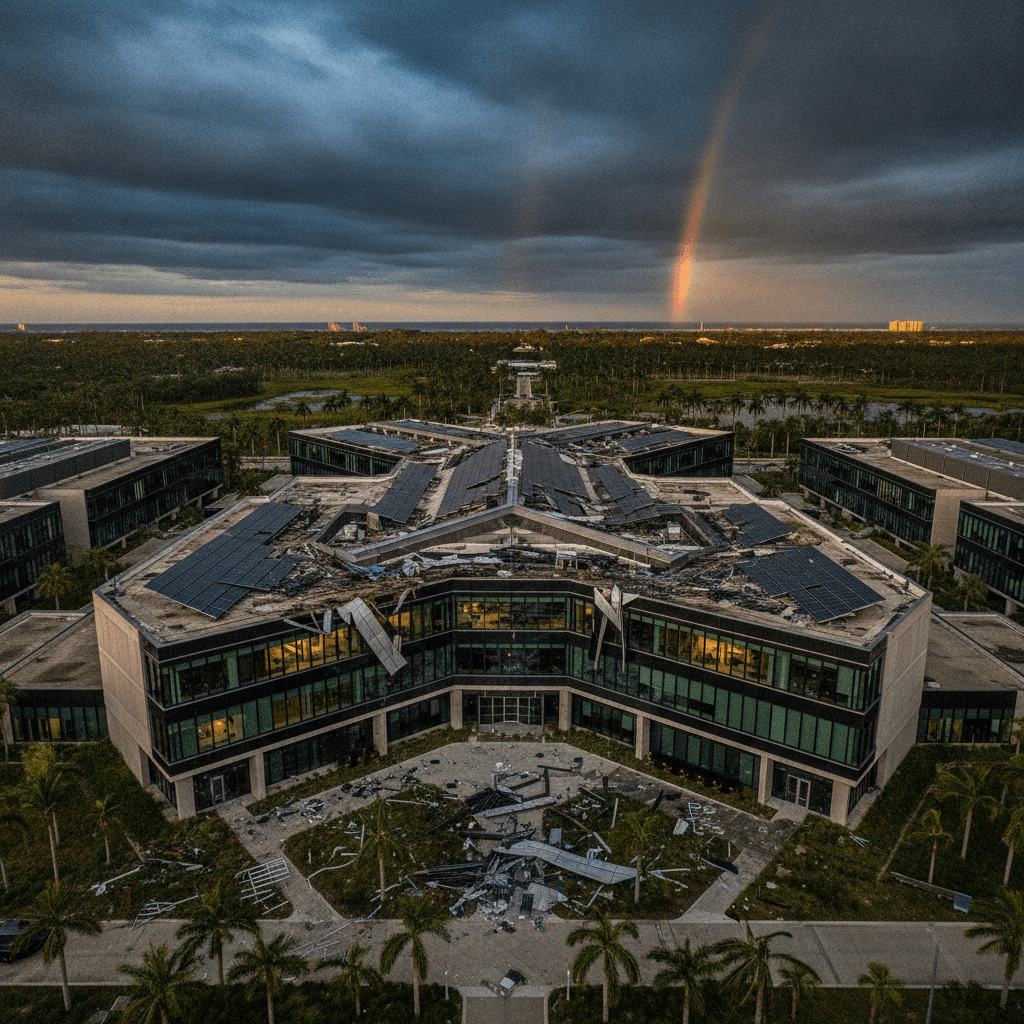
The Unsettling Truth: New Roofs and Florida Hurricanes
Here in Florida, we're no strangers to the power of a tropical storm or hurricane. Every season, we brace ourselves, hoping our homes and businesses stand strong. But sometimes, even the best preparations aren't enough. Recently, we heard the news from Lakeland about the RP Funding Center's newly installed roof taking a beating. It’s a stark reminder that even a brand-new roof isn’t a guarantee against Mother Nature’s fury.
As someone who’s been in this business for decades, helping folks recover from disaster, I've seen this scenario play out hundreds of times. A property owner invests in a new roof, thinking they're set for years, only for a hurricane to tear through and leave them dealing with extensive damage and another major repair bill. It's frustrating, heartbreaking, and often preventable – or at least manageable – with the right knowledge and action plan.
Why Even a New Roof Can Fail Against Florida's Winds
You might wonder, 'How can a new roof get trashed?' It comes down to a few critical factors that are particularly relevant here in the Sunshine State:
- Wind Speed and Direction: Florida hurricanes bring extreme wind speeds, often exceeding 100 mph. These winds create immense uplift pressure on a roof, especially around the edges and corners. If the wind finds a weak spot – perhaps a shingle that wasn't sealed perfectly, or a fastener that wasn't driven correctly – it can begin to peel away layers, leading to catastrophic failure.
- Installation Quality: This is huge. A roof is only as good as its installation. Even the highest quality materials can fail if they aren't installed precisely according to manufacturer specifications and, crucially, Florida’s stringent building codes. We've seen instances where improper nailing patterns, insufficient adhesive, or flashing errors on new roofs create vulnerabilities that a hurricane will exploit.
- Material Quality and Type: While all new roofs *should* be up to code, there's a spectrum of material resilience. Some roofing materials are simply more resistant to uplift and impact than others. For example, specific Florida Building Code requirements address high-velocity hurricane zones, demanding enhanced fastening and underlayment systems. If corners are cut on these critical components, damage is inevitable.
- Unexpected Weaknesses: Sometimes, even a great installation can encounter an unforeseen weakness. A particularly strong gust, a specific angle of wind, or flying debris can initiate damage that then escalates rapidly. Remember, a chain is only as strong as its weakest link.
What happened at the RP Funding Center is a prime example of this. Even a commercial property, which often has more robust roofing systems, isn't immune. It underscores the point: in Florida, 'new' doesn't automatically mean 'indestructible.'
Immediate Steps After Storm Damage: Your Action Plan
When a storm hits, and you suspect roof damage – new or old – quick and decisive action is critical. Time is not your friend, especially with Florida's humidity and potential for subsequent rainfall.
- Safety First: Assess the situation from a safe distance. Do not climb onto a damaged roof. Look for downed power lines, structural instability, or other hazards. If you see significant damage, keep everyone away from the affected area.
- Document Everything: This is crucial for your insurance claim. Take photos and videos from multiple angles – before, during (if safe), and immediately after the storm. Capture damaged shingles, missing sections, water stains inside, and any debris. The more evidence you have, the smoother your claim process will be.
- Prevent Further Damage: If it's safe to do so, take temporary measures to prevent more extensive damage. This might mean placing tarps over exposed areas or moving valuables away from leaks. Keep receipts for any materials or services used for these temporary repairs, as they may be reimbursable.
- Contact Your Insurance Company: Notify your insurer as soon as possible. Understand your policy – what's covered, what your deductible is, and what documentation they require. Be prepared to provide your photos and a detailed account of the damage.
- Get a Professional Inspection: This is where we come in. Call a reputable local contractor like us at Krüger Disaster Recovery Team. We understand Florida building codes, hurricane-specific damage, and how to properly assess and repair roofs in this environment. We'll provide a thorough inspection and a detailed estimate, which will be invaluable when working with your insurance adjuster.
Remember, your insurance company will send an adjuster. Having your own independent, professional assessment from an experienced contractor can make a significant difference in ensuring you receive a fair settlement that covers the full extent of the damage. We've worked alongside countless adjusters and know what they look for and what details matter.
Choosing the Right Partner for Roof Repair and Replacement
After a storm, you’ll see a lot of contractors appear, some from out of state. Be wary. You need a partner who knows Florida, understands our unique challenges, and has a proven track record.
- Local Expertise: We've been working in Florida for years. We understand the specific impacts of tropical storms, the nuances of Florida’s updated building codes post-hurricane, and the best materials that hold up in our climate.
- Insurance Claim Navigation: We don't just fix roofs; we help you navigate the often-complex insurance claim process. We speak their language, provide the documentation they need, and advocate on your behalf to ensure you get what you're entitled to for your property’s restoration.
- Quality and Durability: Our focus is always on long-term solutions. We use materials and installation techniques designed to withstand future Florida storms, giving you peace of mind.
The incident at the RP Funding Center serves as a powerful lesson for all Florida property owners. Even new construction or recently repaired properties aren't immune. Proactive maintenance, understanding your roof's vulnerabilities, and having a plan for when disaster strikes are your best defenses. Don't wait until the next storm hits to assess your readiness.
If you've experienced storm damage, or just want peace of mind about your roof's condition, give us a call. We're here to help you protect your investment.

Written by
Gus Kruger
CEO at Krüger
Gus Kruger is the founder and CEO of Krüger Disaster Recovery Team, a Florida-based company specializing in emergency property protection, roofing, and fencing. Since 2016, Gus has built the company from a one-man roof tarp operation into a full-service team of 50+ professionals, serving over 30,000 properties across Florida and the Southeast U.S. A preferred vendor for major insurance carriers, BBB A+ rated, and licensed & insured, Gus leads Krüger with a hands-on approach rooted in fast response, honest work, and long-term property solutions.