Navigating Post-Storm Frustration in Florida: Your Action Plan
 Gus Kruger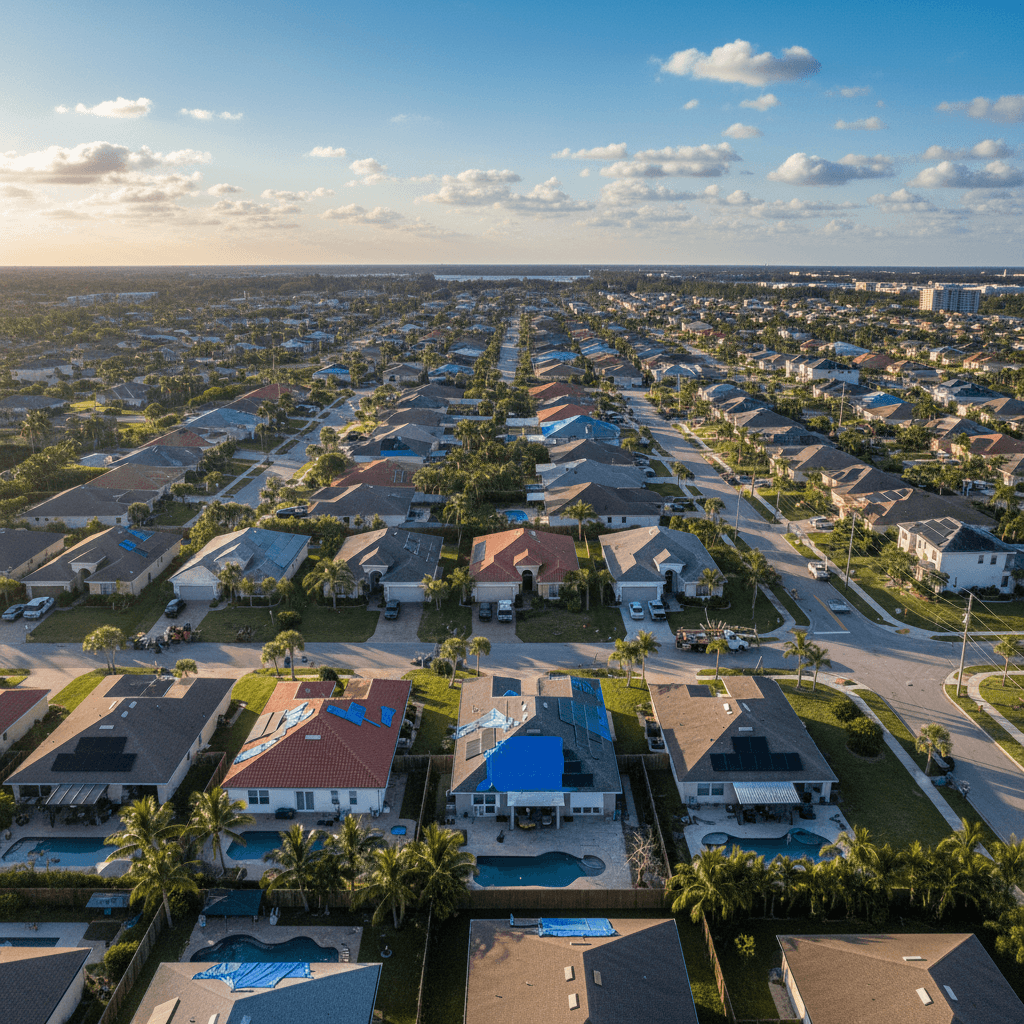
When the Storm Passes, the Real Work Begins for Florida Homeowners
Here in Florida, we live in paradise, but that comes with a yearly price tag: hurricane season. We've seen it all, from the glancing blows of tropical depressions to the full-on assault of Category 5 hurricanes. And what we've learned over decades is that the actual storm is often just the beginning of a long and sometimes frustrating journey for property owners.
You might be feeling a sense of discontent, a simmering frustration with the process, or even a feeling of being misunderstood when you’re dealing with the aftermath of a severe weather event. Believe me, we understand. We've walked countless property owners through the chaos, and we know that navigating insurance claims, finding reliable contractors, and understanding complex building codes can feel like an uphill battle. But it doesn't have to break you.
Understanding the Common Frustrations After a Florida Storm
Why does it feel so overwhelming? Several factors contribute to the post-storm headache:
- Insurance Adjuster Delays and Denials: In our experience, one of the biggest sources of frustration is the insurance claim process itself. Delays are common, and sometimes adjusters might initially under-evaluate damage or even outright deny claims, leaving homeowners feeling powerless.
- Contractor Scams: Unfortunately, the wake of a storm attracts unscrupulous individuals. Out-of-state 'storm chasers' often appear, promising quick fixes but delivering shoddy work or demanding payment upfront and disappearing. This leaves homeowners with more damage and less money.
- Navigating Building Codes: Florida's building codes are some of the toughest in the nation for good reason – they're designed to protect against hurricane-force winds. But understanding what needs to be repaired to current code standards can be confusing for property owners, adding another layer of complexity.
- Material Shortages and Price Hikes: Demand for materials like roofing shingles, lumber, and drywall skyrockets after a widespread storm, leading to shortages and inflated prices. This can delay repairs and strain budgets.
Your Proactive Steps to Mitigate Post-Storm Stress
While you can't stop a hurricane, you can certainly prepare to minimize the stress and frustration that follow. It's all about being informed and having a plan.
1. Document Everything BEFORE the Storm
Before hurricane season even starts, take detailed photos and videos of your property, inside and out. Note the condition of your roof, windows, exterior walls, and any valuable items inside. Store these digitally in a cloud service so they're safe even if your physical property is damaged. This evidence is invaluable if you need to file an insurance claim. According to a guide from Ready.gov (FEMA), having detailed records is a critical step in effective disaster preparedness.
2. Review Your Insurance Policy NOW
Don't wait until you're staring at a damaged roof to understand your coverage. Pull out your policy and read it. Pay close attention to your deductible (especially hurricane deductibles, which are often a percentage of your home's insured value, not a flat dollar amount), coverage limits, and what types of damage are excluded. Understand your Additional Living Expenses (ALE) coverage if you need to evacuate. If anything is unclear, call your agent and ask questions. Knowing your policy inside and out will prevent unpleasant surprises later.
3. Secure Your Property and Prepare for Impact
Before a Florida storm hits, take all necessary precautions: trim trees, secure loose items, board up windows, and have an evacuation plan. Protecting your property proactively can reduce the extent of damage and thus the complexity of repairs.
4. After the Storm: Act Smart, Not Impulsively
- Safety First: Ensure your family's safety before assessing property damage. Stay away from downed power lines and damaged structures.
- Temporary Repairs: Make reasonable temporary repairs to prevent further damage (e.g., tarping a damaged roof). Keep receipts for any materials you buy.
- Contact Your Insurance Company Immediately: File your claim as soon as it's safe to do so. The sooner they know, the sooner they can assign an adjuster.
- Get Professional Assessments: This is where a trusted partner like Krüger Disaster Recovery Team comes in. We offer free, no-obligation property inspections. We'll assess the damage thoroughly, often spotting issues an adjuster might miss. We understand Florida building codes and can help ensure your repairs meet the latest standards, which is crucial for safety and future insurability. For example, the Florida Building Code often requires repairs to bring components up to current code, not just replace them as they were.
- Choose Reputable Contractors: Vet contractors carefully. Ask for local references, check their licensing (through the Florida Department of Business and Professional Regulation), and verify their insurance. Never pay the full amount upfront.
The feeling of frustration and being overwhelmed after a Florida storm is real, but you don't have to face it alone. Knowledge and preparation are your best defenses. Empower yourself with information, understand your rights, and choose your partners wisely.
If you're dealing with storm damage, or just want to be prepared, reach out for a free property inspection. We're here to help you recover, stronger than before.

Written by
Gus Kruger
CEO at Krüger
Gus Kruger is the founder and CEO of Krüger Disaster Recovery Team, a Florida-based company specializing in emergency property protection, roofing, and fencing. Since 2016, Gus has built the company from a one-man roof tarp operation into a full-service team of 50+ professionals, serving over 30,000 properties across Florida and the Southeast U.S. A preferred vendor for major insurance carriers, BBB A+ rated, and licensed & insured, Gus leads Krüger with a hands-on approach rooted in fast response, honest work, and long-term property solutions.