Milton After Helene: Protecting Your Florida Home from Dual Storms
 Gus Kruger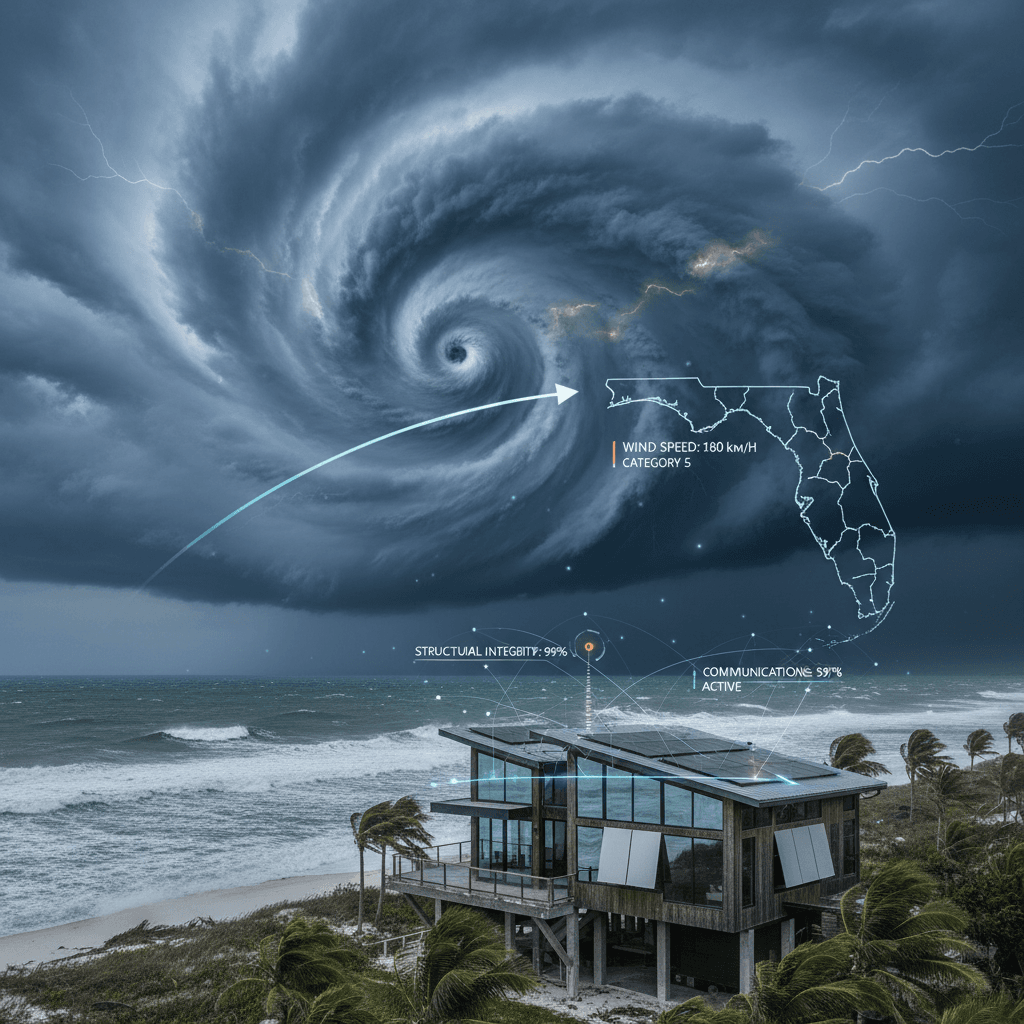
Here in Florida, we know a thing or two about hurricanes. It's part of living in paradise. But even for us seasoned Floridians, the news that Tropical Storm Milton rapidly intensified into a Category 1 hurricane and is on a path straight for us, less than two weeks after Hurricane Helene struck, hits different. As NBC News reported, this isn't just another storm; it's a brutal one-two punch that demands our immediate attention and smart, practical action.
The Double Whammy: Why Back-to-Back Storms Are So Dangerous
When one storm hits, you deal with the damage, start the cleanup, and begin the repair process. But when another one is on its heels, it’s a whole different ballgame. This isn't just about doubling the potential for damage; it's about compounding it. Properties weakened by Helene might not stand a chance against Milton. What might have been minor roof damage from the first storm could become a total loss with the second. We’re talking about saturated grounds that can lead to more significant flooding and fallen trees, compromised structures, and stretched resources for emergency services and contractors.
As a business owner who’s been on the ground, seen the devastation, and helped countless families rebuild, I can tell you this: the real danger in a situation like this is underestimation and fatigue. You’re tired from the first storm, maybe you’ve got temporary fixes in place, and now you have to go through it all again. But now is NOT the time to let your guard down. Your property, your investment, and your family's safety depend on proactive measures.
Immediate Actions to Take Before Milton Arrives
If you still have time, even a few precious hours, use them wisely. Every minute counts when a storm like Milton is bearing down on us, especially when the ground is already wet and structures potentially compromised from Helene. Here's a quick checklist, born from years of seeing what works and what doesn't:
- Secure Loose Items: Anything that can become a projectile needs to be brought inside or tied down. Think patio furniture, trash cans, grills, even decorative garden items.
- Clear Gutters and Drains: Helene likely dumped a lot of debris. Clogged gutters can lead to water backing up into your roof and walls, causing significant interior water damage. Ensure rainwater has a clear path away from your foundation.
- Review Your Insurance Policy: Do you know your deductible? Do you understand what your policy covers for wind versus water damage? Now is the time to pull it out and review it. Better to know before you need to file a claim.
- Document Your Property: Take photos and videos of your property, inside and out. Pay special attention to any existing damage from Helene, as this will be crucial for insurance claims if Milton adds to it. Date-stamp everything.
- Charge Devices & Gather Essentials: Power outages are almost a certainty. Make sure phones, power banks, and flashlights are charged. Have non-perishable food, water, and any necessary medications ready.
After the Storm: Assessing Storm Damage and Planning Your Next Steps
Once Milton has passed and it’s safe to venture out, the real work begins. Your immediate priorities should be safety and documentation. Do not rush into permanent repairs without thoroughly assessing the damage and understanding your insurance options. This is where many homeowners make costly mistakes.
- Prioritize Safety: Watch out for downed power lines, gas leaks, and weakened structures. If your home has significant structural damage, do not enter until it’s deemed safe by professionals.
- Document EVERYTHING: Take more photos and videos of all new damage. This is critical for your insurance claim. The more detailed your documentation, the smoother your claim process will be. Don't throw anything away until your adjuster has seen it or you've been advised otherwise.
- Temporary Repairs (Mitigation): Your insurance policy typically requires you to mitigate further damage. This means putting a tarp on a damaged roof or boarding up broken windows. Keep all receipts for materials. These are often reimbursable.
- Beware of Storm Chasers: After major storm events, opportunistic contractors flood the area. Stick with local, reputable businesses that have a proven track record. Ask for references, check licenses, and don't feel pressured into signing anything immediately. A good contractor will explain the process, not push you into a decision.
Navigating Your Hurricane Damage Insurance Claim
Dealing with insurance companies after significant hurricane damage can be a daunting process. But remember, you’re not alone, and with the right approach, you can protect your investment. Here’s my advice from the trenches:
- File Your Claim Promptly: The sooner you file, the sooner the process begins. Have your policy number and documentation ready.
- Understand Your Policy: Pay close attention to your deductibles, especially for hurricane or wind damage, which can be a percentage of your home's insured value. Know your coverage limits for different types of damage, such as roof damage, water intrusion, and personal property.
- Get Multiple Estimates: Don't settle for the first estimate. Work with a trusted, local contractor who specializes in storm damage repair. They can help you understand the full scope of repairs needed and provide an accurate, detailed estimate that can be submitted to your insurance company.
- Communicate Clearly and Keep Records: Keep a log of all communications with your insurance company – names, dates, times, and summaries of conversations. Follow up important conversations with an email to create a paper trail.
- Don't Be Afraid to Ask Questions: If you don't understand something in your policy or an adjuster's report, ask for clarification. It's your home and your money.
A reputable contractor will work with your insurance company, not just for them. They understand the claims process, can speak the same language as the adjusters, and ensure that all legitimate damage is accounted for in your claim. This is particularly crucial when dealing with cumulative storm damage from back-to-back hurricanes, where distinguishing between Helene's damage and Milton's new impact can be complex.
Beyond Repairs: Protecting Your Property for Future Hurricane Seasons
Once the immediate repairs are done, take a moment to consider long-term resilience. Florida's hurricane season is long and intense. Investing in stronger, more durable materials and improving your home’s resistance to wind and water can save you significant headaches and money down the road. This might include:
- Upgrading Roofing Materials: Consider options that are rated for higher wind speeds.
- Impact-Resistant Windows and Doors: A smart investment for ongoing protection.
- Proper Drainage Solutions: Ensure your landscaping and drainage systems effectively divert water away from your home.
My philosophy has always been about building for the future, not just patching up the past. When you rebuild, you have an opportunity to make your home stronger, more resilient, and better prepared for whatever Mother Nature throws at us next. Think of it as an investment in peace of mind.
Florida’s spirit is resilient, and we will get through Milton just like we did Helene, and every storm before. But it takes smart planning, immediate action, and wise decisions in the aftermath. Stay safe, be prepared, and choose your partners for recovery carefully. We’re all in this together, and protecting your home is paramount.

Written by
Gus Kruger
CEO at Krüger
Gus Kruger is the founder and CEO of Krüger Disaster Recovery Team, a Florida-based company specializing in emergency property protection, roofing, and fencing. Since 2016, Gus has built the company from a one-man roof tarp operation into a full-service team of 50+ professionals, serving over 30,000 properties across Florida and the Southeast U.S. A preferred vendor for major insurance carriers, BBB A+ rated, and licensed & insured, Gus leads Krüger with a hands-on approach rooted in fast response, honest work, and long-term property solutions.