
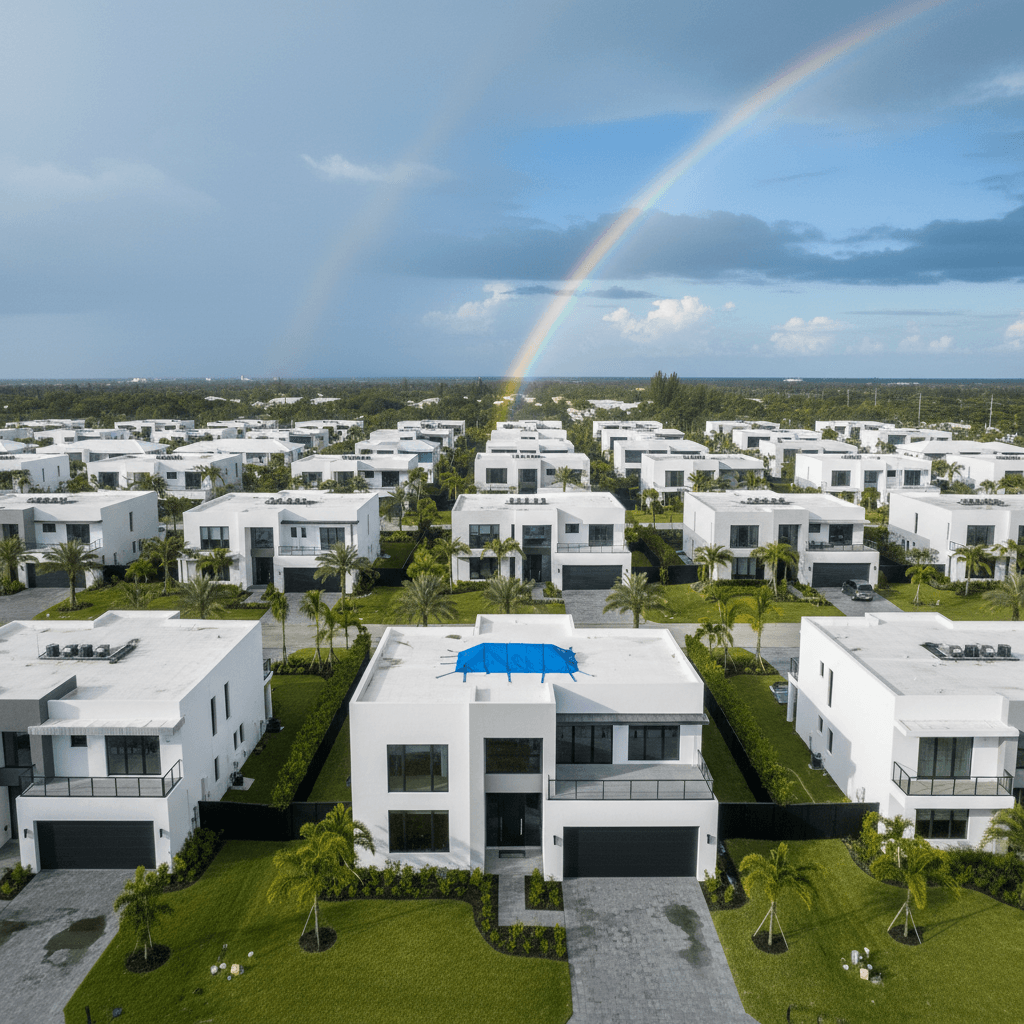
When the Storm Hits Home: Lessons from North Carolina for Florida
It's a tough pill to swallow, but sometimes it takes seeing another community struggle to truly understand the stakes for your own. A week after Hurricane Helene tore through western North Carolina, emergency planners faced a monumental challenge: where to house residents left homeless. An NBC News report highlighted this daunting task, showing the human cost behind every named storm.
While their struggle unfolds far from our sunny shores, the core issue resonates deeply with every homeowner in Florida: what happens when your home is no longer a safe haven after a storm? We've seen it time and again here in the Sunshine State. The truth is, proactive preparation isn't just about saving money; it's about safeguarding your family's stability and protecting your greatest investment.
The Stark Reality: Homelessness After the Storm
Think about it. Helene wasn't even a monster Category 5. Yet, it caused enough damage to displace countless families. The NBC article paints a clear picture: schools turned into temporary shelters, families separated, and the agonizing uncertainty of 'where do we go now?' This isn't just about a damaged roof; it's about shattered lives and communities grappling with a sudden, overwhelming housing crisis. When homes are destroyed or rendered uninhabitable, the ripple effects on local infrastructure, social services, and the economy are immediate and severe.
The scale of the problem after a major hurricane can be staggering. Disaster preparedness and response experts at HUD Exchange emphasize that providing adequate housing after a widespread disaster is one of the most complex recovery challenges. This isn't a problem that fixes itself overnight. It can take months, sometimes years, for communities to rebuild, and for displaced families to find permanent, safe housing again. For us in Florida, with our consistent exposure to hurricane season, understanding this potential outcome is not about fear-mongering, but about smart, practical planning.
Why Emergency Housing Becomes a Nightmare
You might think, “Oh, I’ll just stay with family,” or “The insurance will handle it.” But the reality post-storm is far more complex:
- Widespread Damage: If your neighborhood is hit, chances are your family and friends' homes are too. Or, even if they aren't, roads might be impassable, power might be out, and resources stretched thin.
- Limited Resources: Emergency shelters quickly reach capacity. Hotels are booked solid, often at inflated prices, and many might not have power or be accessible.
- Insurance Delays: While insurance is vital, claims processing takes time, especially after a major event when thousands of claims pour in simultaneously. You can't just snap your fingers and have a check for repairs.
- Contractor Shortages: Reputable contractors are in high demand after a storm. Unscrupulous operators often emerge, preying on desperate homeowners. Finding someone reliable to make emergency roof repairs or start reconstruction can be a lengthy process.
This confluence of factors creates a perfect storm for housing instability, adding immense stress to families already reeling from the trauma of a hurricane. It's a scenario we want every Florida homeowner to avoid.
Florida's Blueprint for Resilience: What We Can Learn
The good news is, we live in Florida, a state with decades of experience dealing with hurricanes. We have the knowledge, the building codes, and the expertise to protect our properties. The key is to be proactive, not reactive. You don't want to be making these decisions when the water is rising or your roof is compromised.
1. Before the Wind Howls: Proactive Protection
The best defense against storm damage is a strong offense. This means preparing your home long before a named storm even forms in the Atlantic.
- Roof Inspection & Maintenance: Your roof is your home's first line of defense. Get it inspected regularly by a reputable professional. Look for loose shingles, cracked tiles, or any signs of wear and tear. Repair small issues before they become catastrophic in a storm. A well-maintained roof can withstand far more punishment. FEMA consistently emphasizes the importance of resilience and pre-disaster mitigation in its public messaging.
- Fortify Your Home: Consider hurricane-resistant windows, doors, and garage doors. Secure any loose items in your yard. Trim trees and shrubs that could become projectiles.
- Develop an Emergency Plan & Kit: Have a family evacuation plan, know your zone, and assemble an emergency kit with enough supplies for at least 72 hours, including water, non-perishable food, medications, and important documents.
2. When the Storm Passes: Immediate Action & Assessment
Once the worst has passed, your actions in the immediate aftermath can significantly impact your recovery.
- Safety First: Do not enter damaged areas if it's unsafe. Watch for downed power lines, gas leaks, and structural instability.
- Initial Damage Assessment: From a safe distance, take photos and videos of all damage. This documentation is crucial for your insurance claim.
- The Critical Role of Emergency Roof Repairs: If your roof is compromised, exposed to the elements, or leaking, immediate emergency roof tarping is non-negotiable. This isn't just a temporary fix; it prevents further, more extensive damage to your interior, belongings, and structural integrity. Every hour your roof is exposed, the more the elements can wreak havoc, turning a manageable repair into a complete overhaul. FloridaDisaster.org offers comprehensive guides on what to do after a storm, stressing the importance of protecting your property from further damage.
3. Navigating the Aftermath: Insurance and Professional Help
This is where many homeowners get overwhelmed. Having the right team on your side makes all the difference.
- Document Everything: We can't stress this enough. Every piece of damage, every repair, every communication with your insurance company needs to be recorded.
- Understand Your Policy: Before the storm, review your homeowner's insurance policy. Know your deductibles, coverage limits, and what's excluded. Don't wait until you need to file a claim to understand the fine print. According to data from the Insurance Information Institute (III), hurricane damage claims can be incredibly complex, making thorough documentation and understanding your policy even more vital.
- Choosing the Right Partner: When it comes to storm damage repair, especially for your roof, choosing a reputable, licensed, and insured contractor is paramount. Avoid storm chasers or anyone demanding full payment upfront. Look for local businesses with a proven track record, strong references, and a commitment to quality work. They should be transparent about the process, costs, and timeline, and able to work directly with your insurance company.
The Kruger Advantage: Your Peace of Mind
At Callkruger, we've walked this path with countless Florida homeowners. We started in the field, honing our skills and building a reputation on hustle, integrity, and real results. When you're facing storm damage, you need a partner who understands the unique challenges of Florida storms, the nuances of insurance claims, and the critical importance of a sound roof. We don't speak corporate jargon; we speak practical advice, explaining things clearly, just like a trusted contractor over your kitchen table. Our goal isn't just to fix your roof; it's to restore your peace of mind and protect your property and investment for years to come.
Don't Wait for the Next Helene
The struggles faced by North Carolina survivors are a stark reminder of the devastating impact hurricanes can have. For Florida homeowners, this isn't just a distant news story; it's a call to action. Take the proactive steps now to prepare your home and family. Know who to call when the storm passes. By taking control of your preparedness, you can help ensure that when the next hurricane rolls through, your home remains a sanctuary, not another casualty in the daunting task of housing survivors.

Written by
Gus Kruger
CEO at Krüger
Gus Kruger is the founder and CEO of Krüger Disaster Recovery Team, a Florida-based company specializing in emergency property protection, roofing, and fencing. Since 2016, Gus has built the company from a one-man roof tarp operation into a full-service team of 50+ professionals, serving over 30,000 properties across Florida and the Southeast U.S. A preferred vendor for major insurance carriers, BBB A+ rated, and licensed & insured, Gus leads Krüger with a hands-on approach rooted in fast response, honest work, and long-term property solutions.