
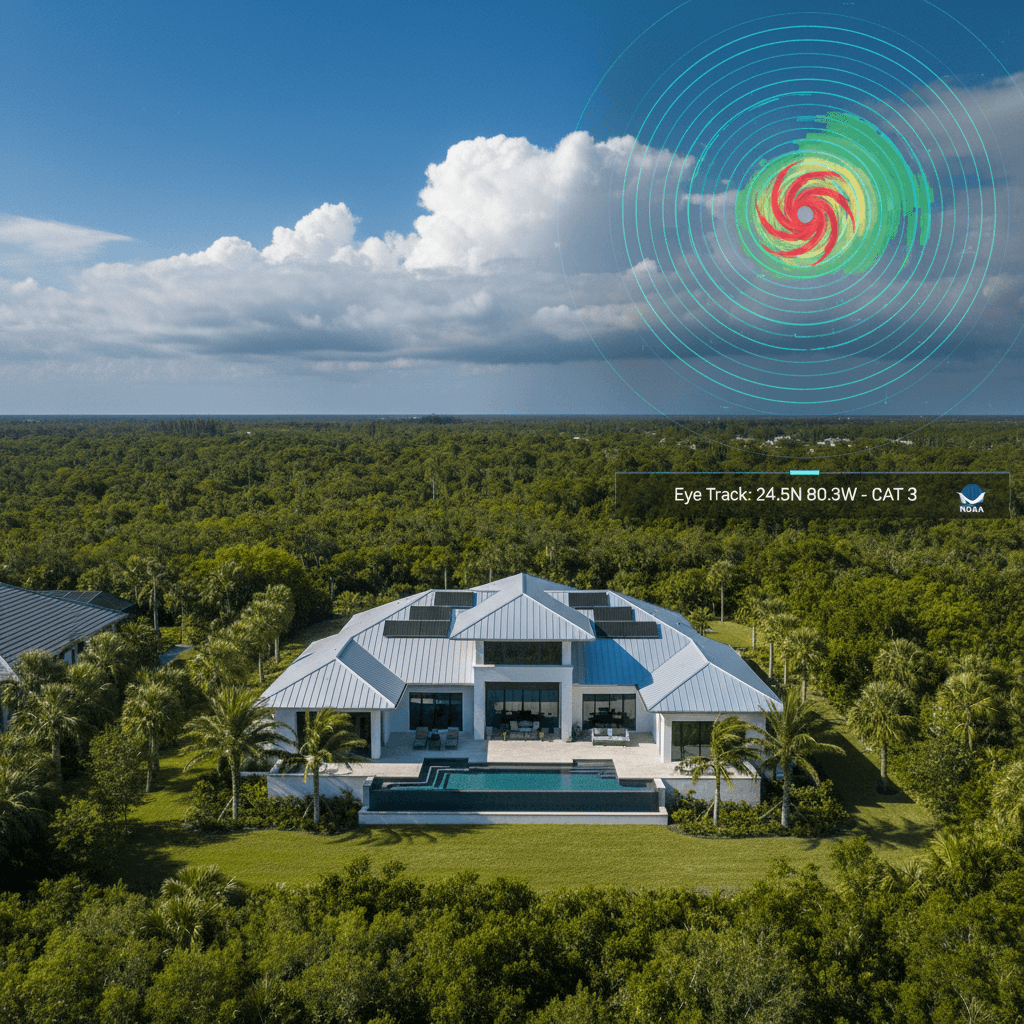
Hurricane Season: June 1st to November 30th – Are You Ready?
Here in Florida, we know a thing or two about hurricanes. It's not just a weather report; it's a way of life, part of the rhythm of the year. Every year, like clockwork, the Atlantic hurricane season officially kicks off on June 1st and runs all the way through November 30th. This isn't just a date on the calendar; it's a six-month window where we need to be extra vigilant, proactive, and prepared to protect our homes and businesses.
The folks at the National Hurricane Center (NHC) are our primary source for tracking these powerful storms, and their warnings are something we never take lightly. From tropical depressions to full-blown Category 5 hurricanes, each one brings its own set of challenges, especially when it comes to property damage. As a business owner who started on the ground, dealing with the aftermath of these storms has been our bread and butter for decades, and we've seen firsthand what happens when preparation falls short.
Why Early Preparation Is Your Best Defense
I can't stress this enough: don't wait until a storm is bearing down on us to start thinking about preparations. That's when things get chaotic, supplies run out, and good contractors are booked solid. Proactive steps taken now can save you a world of hurt, a mountain of stress, and potentially thousands of dollars in hurricane damage later on.
Think of your property like a fortress against the elements. Your roof, your windows, your doors – they're your primary defenses. If they're weak, the rest of your structure is vulnerable. We've seen hundreds of homes where minor pre-existing issues turned into catastrophic damage because they weren't addressed before the storm hit. A loose shingle, a cracked tile, a clogged gutter – these might seem small, but under hurricane-force winds and torrential rain, they can become entry points for water and wind, leading to much larger problems, including extensive interior damage.
Your Pre-Season Checklist: Practical Steps for Peace of Mind
So, what can you do right now to get ready?
- Inspect Your Roof (Or Get It Inspected): This is number one. Your roof is your first line of defense. Look for missing or damaged shingles, cracked tiles, loose flashing around vents and chimneys, and any signs of wear. Better yet, get a professional roof inspection. A good inspector can spot potential weaknesses you might miss and advise on necessary repairs. Here in Florida, our roofs take a beating not just from hurricanes but from constant sun, heat, and humidity.
- Trim Trees and Clear Gutters: Overhanging branches are a major liability during high winds. Have them professionally trimmed, especially any dead or weak limbs. Also, make sure your gutters and downspouts are clear of debris. Clogged gutters can cause water to back up, get under your roofline, and lead to fascia damage or even interior leaks – even in a regular heavy downpour, let alone a tropical storm.
- Secure Outdoor Items: Anything that can become a projectile needs to be secured, brought inside, or tied down. Patio furniture, grills, trash cans, garden decor – these can cause significant damage to your home or a neighbor's.
- Review Your Insurance Policy: Don't wait for a claim to understand your coverage. Pull out your homeowner's insurance policy and read through it. Pay close attention to your deductibles, especially your hurricane deductible (which is often a percentage of your home's value, not a flat dollar amount). Understand what's covered for wind, water, and flood damage. If you have questions, call your agent now, not when a storm is days away.
- Create a Documentation Log: Take photos and videos of your property, both inside and out. Document the condition of your roof, siding, windows, and any valuable items. This visual evidence is invaluable if you need to file an insurance claim after a storm. It establishes the pre-storm condition of your property.
Navigating Insurance Claims After a Storm
If the worst happens and your property suffers hurricane damage, the next step is dealing with your insurance company. This can be a maze for many homeowners, but it doesn't have to be. Here's what we've learned over countless claims:
- Safety First: Before anything else, ensure your property is safe to enter.
- Document Everything: As soon as it's safe, take extensive photos and videos of all damage. The more detail, the better. Don't throw anything away that was damaged.
- Contact Your Insurer Immediately: The sooner you file your claim, the better.
- Understand Your Rights: You have the right to have your property assessed thoroughly. Sometimes, the initial adjuster's report might miss hidden damage, especially water intrusion that can lead to mold if not addressed quickly in Florida's humid climate.
- Work with Reputable Professionals: When it comes to repairs, especially roofing, choose contractors with a strong local reputation, proper licensing, and experience with Florida building codes and insurance claims. We've seen too many fly-by-night operations appear after a storm, only to disappear when issues arise.
Florida's Unique Challenges: Beyond the Wind
Here in the Sunshine State, it's not just the wind that causes damage. The sheer amount of rain that comes with tropical storms and hurricanes can lead to significant water damage, even flooding. Combine that with our high humidity, and you've got a recipe for rapid mold growth if water intrusion isn't dried out and remediated properly and quickly. Our building codes are designed to withstand significant forces, but only if they're adhered to and the structures are maintained.
Preparing for hurricane season is about more than just boarding up windows; it's about safeguarding your investment, protecting your family, and giving yourself peace of mind. It's about being smart and proactive.
Don't leave your property's safety to chance this hurricane season. If you're unsure about the condition of your roof or just want an expert eye to assess your property's readiness, give us a call. We offer free, no-obligation property inspections to help you identify any vulnerabilities before the storms arrive. It's better to be prepared than to be scrambling when a storm is on the horizon.

Written by
Gus Kruger
CEO at Krüger
Gus Kruger is the founder and CEO of Krüger Disaster Recovery Team, a Florida-based company specializing in emergency property protection, roofing, and fencing. Since 2016, Gus has built the company from a one-man roof tarp operation into a full-service team of 50+ professionals, serving over 30,000 properties across Florida and the Southeast U.S. A preferred vendor for major insurance carriers, BBB A+ rated, and licensed & insured, Gus leads Krüger with a hands-on approach rooted in fast response, honest work, and long-term property solutions.