
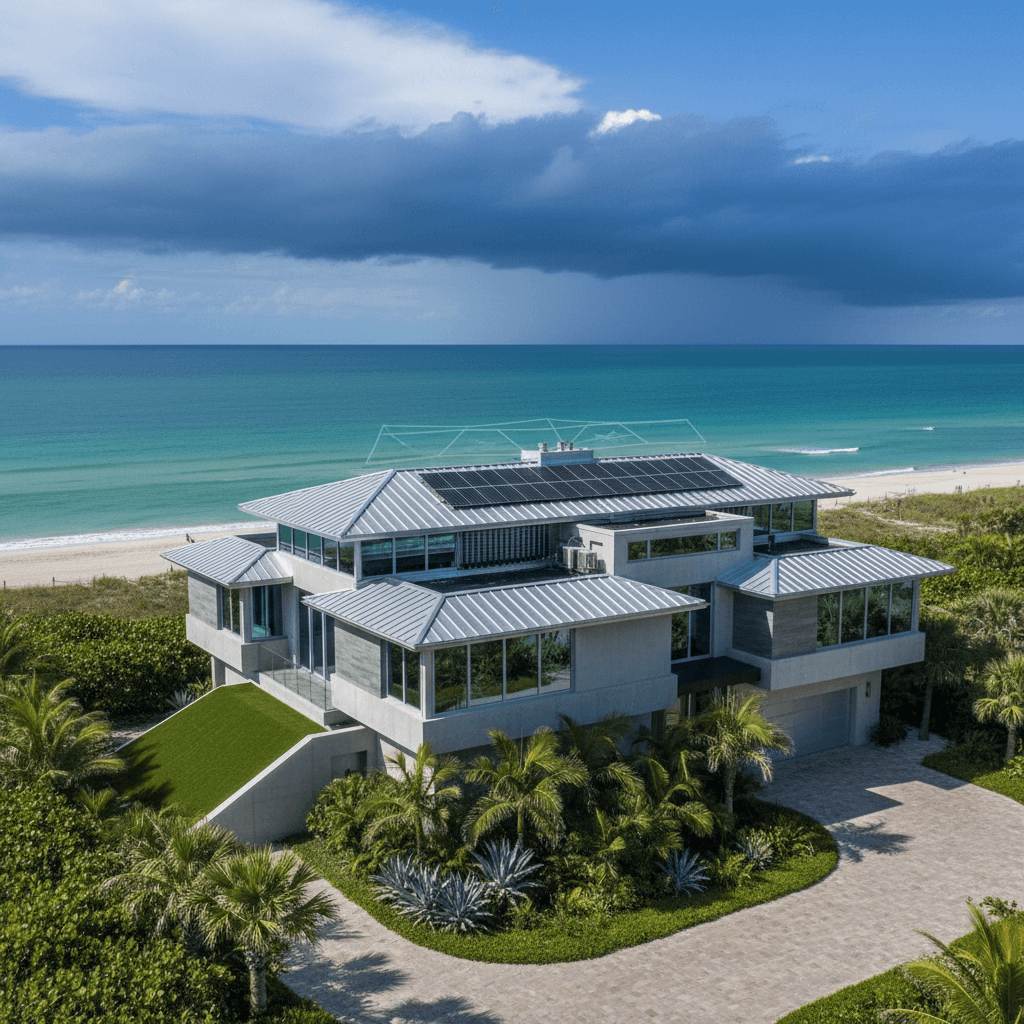
Alright, folks, Gus Kruger here. If you live anywhere near the coast in Florida, or really, anywhere in this great state, you know the drill. That period from June 1st through November 30th isn't just a stretch on the calendar; it's what we call hurricane season. And according to the National Hurricane Center (NHC), those are the official dates we need to be on high alert. For us here at Krüger Disaster Recovery Team, it means we're always ready, because we've seen firsthand what these storms can do.
Now, I’m not one for fear-mongering. My job is to give you the straight talk, the practical advice you need to protect your investment, your home, and your peace of mind. Thinking about hurricane damage shouldn't make you panic; it should make you prepare.
Understanding Florida's Unique Vulnerability
Living in Florida is a blessing, but it comes with its challenges. We're a peninsula, surrounded by warm water, which is essentially rocket fuel for tropical systems. It's not just the direct hit from a Category 4 or 5 that causes problems. We've seen hundreds of homes suffer significant hurricane damage from even a strong tropical storm or a Category 1 hurricane. The relentless wind, torrential rain, and potential for tornadoes embedded within these systems are formidable. Then there's the coastal and inland flooding, which can be just as devastating as wind damage.
It’s easy to focus on the 'big ones' that get all the media attention, but often, it's the cumulative effects of smaller, more frequent events that really test the integrity of your property. Humidity and the constant sun already work against our building materials; add sustained winds and driving rain, and even small vulnerabilities can turn into big problems.
Before the Storm: Proactive Steps That Pay Off
The best defense against hurricane damage isn't what you do during or after the storm; it's what you do before. This is where the real hustle pays off.
1. Get a Professional Roof Inspection
I can't stress this enough. Your roof is your home's first line of defense. Before hurricane season really kicks in, have a reputable local contractor – someone you trust, like us – come out and give your roof a thorough going-over. We're looking for loose or missing shingles, compromised flashing around chimneys and vents, weak spots, or anything that could become an entry point for wind and water. Florida's building codes are tough for a reason, but even the best installations can wear down over time. A small repair now could save you tens of thousands in hurricane damage later.
2. Trim Those Trees
Look around your property. Are there any trees with dead branches or limbs hanging precariously over your house, your car, or your neighbor's property? High winds turn those into missiles. Get them trimmed by a professional arborist. It's an investment in safety and prevents potential damage that might not be covered if it's considered negligence.
3. Secure Outdoor Items
This sounds basic, but you wouldn't believe how many folks forget it. Outdoor furniture, grills, garbage cans, even decorative items – anything not tied down can become a projectile. Secure them in a garage or shed, or bring them inside. Your home, your neighbor’s home, and even people passing by are at risk from flying debris.
4. Review Your Insurance Policy
This is critical. Don't wait until after a storm hits to understand your coverage. Pull out your policy and read it. Pay close attention to your deductibles, especially for windstorm coverage. Understand the difference between wind damage and flood damage – these are often separate policies. Know your responsibilities for documenting damage and initiating claims. If something doesn't make sense, call your agent now, not when you're under pressure. We often help property owners understand their policy language when we're assessing damage; having that knowledge beforehand empowers you.
5. Document Your Property (Before Damage Occurs)
Take photos and videos of your home, inside and out, before any storm impacts. Focus on high-value items and the condition of your roof, windows, and landscaping. This creates an undeniable baseline for your insurance claim if damage occurs. Store these images digitally, perhaps in a cloud service, so they're accessible even if your physical property is compromised.
After the Storm: Navigating Recovery and Claims
Once the winds die down and it's safe to venture outside, the real work of recovery begins. This is where our experience truly shines.
1. Prioritize Safety
First and foremost, ensure your family's safety. Watch for downed power lines, gas leaks, and structural instability. Don't re-enter a damaged building if it's unsafe.
2. Assess and Document Damage
Once it's safe, conduct an initial assessment. Take more photos and videos of all damage. This is where those 'before' photos become invaluable. Don't make temporary repairs that might impede a full assessment by your adjuster, unless it's to prevent further, immediate damage (like putting a tarp on a hole in the roof). Keep receipts for any emergency repairs.
3. Contact Your Insurance Company Immediately
The sooner you file your claim, the better. Be prepared to provide them with the details of the damage and your policy number. They'll assign an adjuster to evaluate your claim.
4. Working with Adjusters and Contractors
This is where things can get complicated. Insurance adjusters work for the insurance company. While most are fair, their primary goal is to assess damage within the scope of your policy. My team, Krüger Disaster Recovery, works for you. We'll conduct our own thorough inspection, often using advanced tools like drones and thermal imaging, to ensure all damage is identified – damage that an adjuster might miss from the ground. We speak their language, and we know Florida's specific building codes and requirements for proper, resilient repairs. We've seen too many cases where homeowners settle for less than they deserve because they didn't have an expert on their side.
Be wary of storm chasers – contractors who flood the area after a hurricane, offer deals that seem too good to be true, and often disappear before the work is done or when issues arise. Stick with local, licensed, and insured companies with a solid reputation. Check their references, look them up on the Florida Department of Business and Professional Regulation website, and ensure they have a physical presence in the community.
The Krüger Promise: Resilience and Recovery
Preparing for hurricane season is an ongoing process, not a one-time task. It's about being vigilant, making smart decisions, and knowing who to call when things get tough. Our mission at Krüger Disaster Recovery Team is to help Floridians rebuild stronger, smarter, and with complete confidence. We pride ourselves on our transparency, our expertise in navigating insurance claims, and our commitment to using the highest quality materials and workmanship that meet or exceed Florida's robust building codes.
Don't let the official hurricane season dates catch you off guard. Take action now. Get that inspection done, understand your policy, and be ready. If you've got questions about your roof's readiness or need an expert eye before the next storm rolls in, don't hesitate. Give us a call. We're here to help protect your property and your future.

Written by
Gus Kruger
CEO at Krüger
Gus Kruger is the founder and CEO of Krüger Disaster Recovery Team, a Florida-based company specializing in emergency property protection, roofing, and fencing. Since 2016, Gus has built the company from a one-man roof tarp operation into a full-service team of 50+ professionals, serving over 30,000 properties across Florida and the Southeast U.S. A preferred vendor for major insurance carriers, BBB A+ rated, and licensed & insured, Gus leads Krüger with a hands-on approach rooted in fast response, honest work, and long-term property solutions.