Hurricane Milton Batters Tropicana Field Roof: Your Florida Roof After a Storm
 Gus Kruger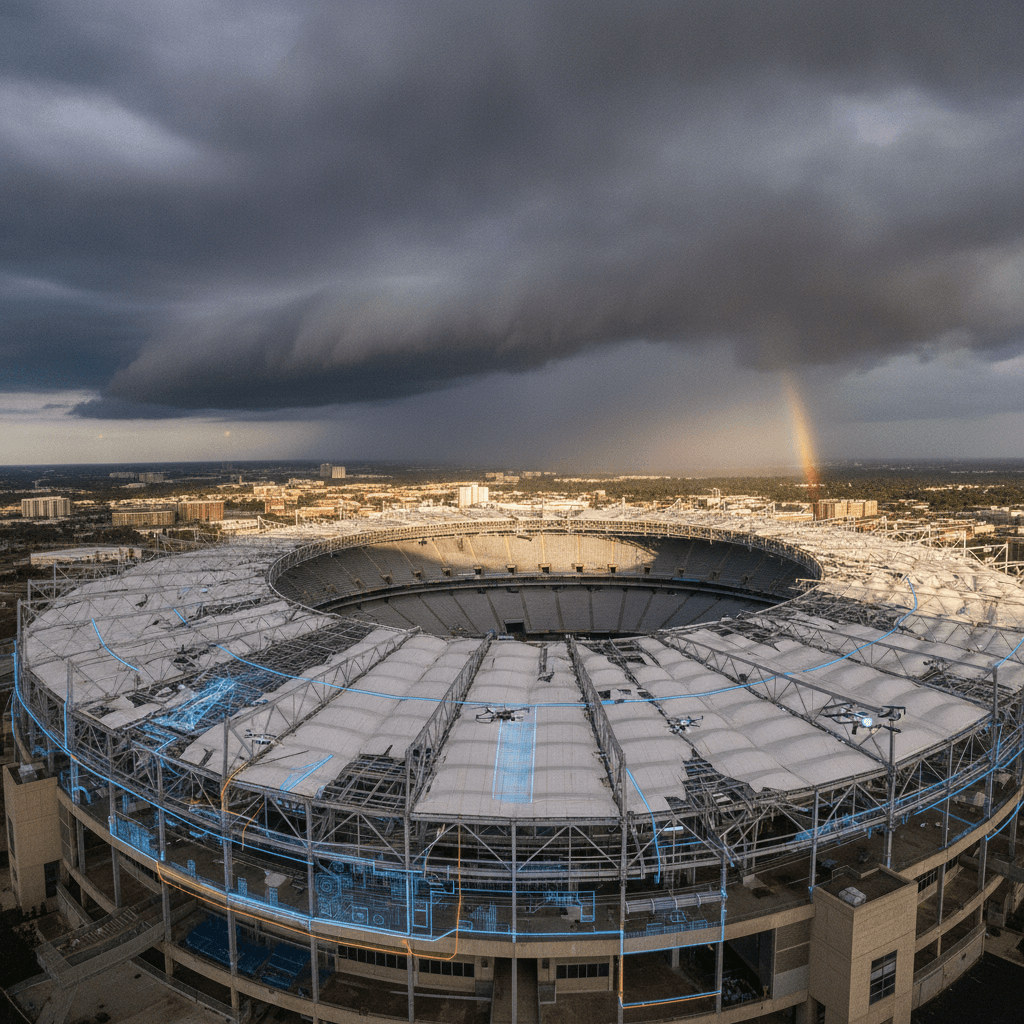
When Florida Gets Hit: Lessons from Tropicana Field's Roof Damage
When a big storm like Hurricane Milton barrels through, even major structures like Tropicana Field aren't immune to damage. We recently saw the news on ESPN about the significant roof damage there, and it's a stark reminder that no property is truly storm-proof, especially here in Florida. As property owners, whether residential or commercial, these events serve as powerful lessons in preparedness and swift action.
Here at Krüger Disaster Recovery, we've seen the aftermath of countless hurricanes across the state. From small leaks to full roof replacements, the story is always the same: swift, informed decisions can make all the difference in protecting your biggest investment. Let's talk about what that means for you.
Immediate Actions After the Storm
Your roof is your first line of defense against the elements. After a hurricane like Milton, even if you don't see obvious holes, there could be hidden damage. Here's what you need to do:
- Safety First: Don't go climbing on a damaged roof yourself. It's dangerous. Inspect from the ground with binoculars if possible. Look for missing shingles, bent metal, or obvious punctures.
- Prevent Further Damage: If you spot significant damage and it's safe to do so, temporary tarping can prevent water intrusion from turning into a much bigger problem. This is a critical step, and if you're uncomfortable doing it, call a professional for emergency roof services immediately.
- Document, Document, Document: This cannot be stressed enough. Take photos and videos of everything – the damage, your property, anything that flew away or was impacted. This documentation is invaluable for your insurance claim.
Understanding Hurricane Roof Damage in Florida
Florida roofs face unique challenges. Our building codes are designed to withstand high winds, but even the best construction has its limits against a powerful hurricane. Here are common types of roof damage we see:
- Wind Uplift: High winds can create pressure differences that literally try to peel your roof off from the edges inward. This often results in missing shingles or detached metal panels.
- Impact Damage: Flying debris – tree limbs, signs, even pieces of other roofs – can puncture, dent, or tear your roofing material.
- Water Intrusion: Even without visible holes, high winds can force water under shingles or through small gaps, leading to leaks, mold growth, and interior damage.
- Granule Loss: For asphalt shingle roofs, heavy rain and wind can strip granules, exposing the asphalt layer to UV rays and accelerating deterioration.
- Structural Damage: In severe cases, the underlying roof decking or even the truss system can be compromised.
Navigating the Insurance Claim Process
This is where many property owners feel overwhelmed. Your insurance policy is there for a reason, but dealing with adjusters and paperwork can be a headache. Our experience tells us that getting a qualified professional involved early is key.
First, file your claim promptly. Many policies have time limits. Provide all your documentation – photos, videos, and any notes you took. When the insurance adjuster comes, have your chosen roofing contractor present. We know what to look for, how to speak their language, and how to ensure all legitimate damage is accounted for. Sometimes, damage isn't immediately obvious to an untrained eye, and having an expert advocate for you can make a huge difference in the payout you receive.
The Importance of a Trusted Florida Contractor
When your roof is compromised, you need someone who understands Florida's specific challenges and building codes. Not just any roofer will do. Here's what to look for:
- Local Experience: A contractor who lives and works in Florida understands our unique weather patterns, materials best suited for our climate (think humidity and heat, not just hurricanes), and local permitting processes.
- Licensed & Insured: This is non-negotiable. Always verify their licensing and ensure they carry proper insurance to protect you from liability. You can check a contractor's license on the Florida Department of Business and Professional Regulation website.
- Storm Damage Expertise: Look for a company with a proven track record in hurricane recovery. We've seen hundreds of storm-damaged roofs and know the tell-tale signs of wind and water damage.
- No High-Pressure Sales: A reputable contractor will provide a thorough inspection, explain their findings clearly, and offer transparent pricing without pressuring you into immediate decisions.
Florida Building Codes and Your Roof Replacement
Our state has some of the most robust building codes in the nation, especially concerning hurricane resistance. When you replace a roof in Florida, you're not just putting new material down; you're often required to meet the latest Florida Building Code standards. This might mean upgraded fasteners, stronger underlayment, or specific wind-resistance ratings for materials.
For instance, under the Florida Building Code, if more than 25% of your roof needs repair or replacement, the entire roof often must be brought up to current code. This is a good thing – it makes your home more resilient – but it's also something your contractor needs to manage closely with your insurance company and local permitting office. Ignoring these codes can lead to issues down the road, from invalidated insurance to fines.
Prevention is Better Than Cure: Preparing for Next Season
While we can't stop hurricanes, we can certainly prepare. Regular roof inspections, ideally once a year and after any significant storm, can catch small issues before they become major problems. Trim trees near your home, secure loose items, and have an emergency plan in place. For more guidance, organizations like FEMA offer extensive resources on strengthening your home against wind hazards.
Having a relationship with a trusted local roofing company *before* disaster strikes means you have someone to call on when you need them most. We believe in empowering homeowners with knowledge, not fear. The news from Tropicana Field is a wake-up call, but it's also an opportunity to ensure your own property is ready for whatever comes our way.
If you're concerned about your roof's condition, especially after a recent storm, don't wait for a small issue to become a major headache. Give us a call for a free, no-obligation roof inspection. We're here to help you protect your investment.

Written by
Gus Kruger
CEO at Krüger
Gus Kruger is the founder and CEO of Krüger Disaster Recovery Team, a Florida-based company specializing in emergency property protection, roofing, and fencing. Since 2016, Gus has built the company from a one-man roof tarp operation into a full-service team of 50+ professionals, serving over 30,000 properties across Florida and the Southeast U.S. A preferred vendor for major insurance carriers, BBB A+ rated, and licensed & insured, Gus leads Krüger with a hands-on approach rooted in fast response, honest work, and long-term property solutions.