Hurricane Ian in Florida: Lessons Learned & Protecting Your Property
 Gus Kruger
Hurricane Ian: A Stark Reminder of Florida's Vulnerability
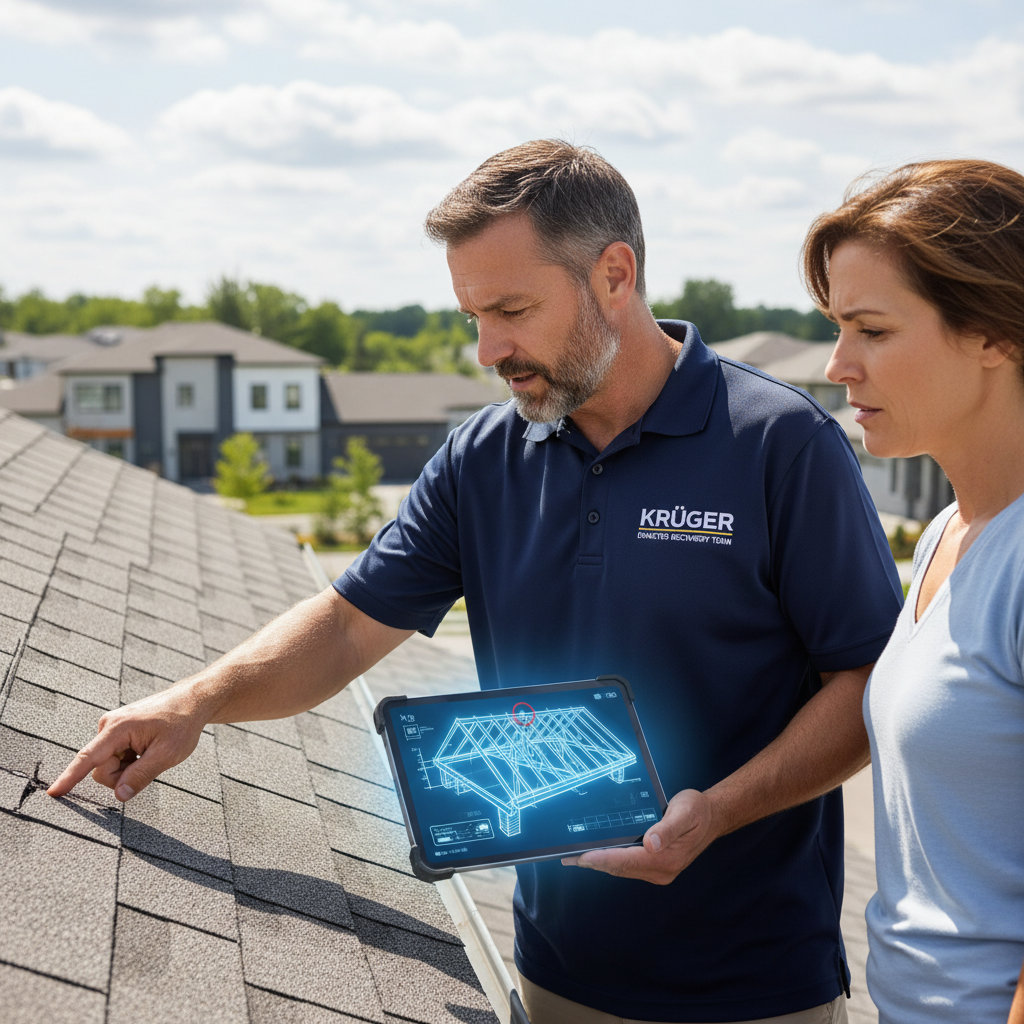
It's Gus Kruger here, and if you live in Florida, you remember Hurricane Ian. Maybe you lived through it, or maybe you helped someone pick up the pieces. Either way, Ian was more than just another storm; it was a brutal wake-up call for many of us, especially those new to the state. We've been through countless hurricanes, tropical storms, and everything in between here at Krüger Disaster Recovery, but Ian really highlighted the importance of robust preparation, swift action, and smart rebuilding.
When a storm like Ian, a Category 4 monster with 155 mph winds, tears through our state, it doesn't just damage homes; it uproots lives. The sheer scale of destruction, particularly from storm surge and sustained high winds, was something we’ll be talking about for years. According to the National Oceanic and Atmospheric Administration (NOAA), Ian caused over $113 billion in damages, making it the costliest hurricane in Florida's history, second only to Katrina nationally. That's a staggering figure, and behind every dollar is a homeowner, a business owner, or a family dealing with the aftermath.
The Immediate Aftermath: What to Do When the Storm Passes
Once the winds die down and the rain stops, your immediate priority should be safety. Don't rush out into standing water or downed power lines. Once it's safe, the next critical step is to assess and document the damage. This isn't just about grabbing a quick photo; it's about comprehensive documentation. We always advise our clients to take photos and videos from every angle – inside and out – before you touch anything. Think of it as building your case for the insurance company.
- Prioritize Safety: Check for structural damage, gas leaks, or electrical hazards before re-entering your property.
- Document Everything: Use your phone to take countless pictures and videos of all damage, both minor and major. Don't throw anything away, even damaged items, until your insurance adjuster has seen them.
- Secure Your Property: Take temporary measures to prevent further damage, like tarping a compromised roof or boarding up broken windows. Keep receipts for all these emergency repairs.
Navigating the Insurance Claim Process After Ian
This is where things can get tricky. After a major event like Ian, insurance companies are swamped. You need to be proactive and informed. Don't wait for them to call you; initiate the claim as soon as possible. Understand that the claims process can be long and frustrating, but having good documentation and a reliable local contractor on your side makes a world of difference.
When the adjuster comes, walk through your property with them. Point out every single area of damage you've documented. Don't assume they'll see it all. In our experience, having a knowledgeable contractor present during this initial assessment can help ensure that all damages are properly identified and accounted for. We've seen firsthand how a missed detail early on can lead to headaches and delays down the road.
It's also crucial to understand your policy. Many homeowners were surprised by deductibles for wind or hurricane damage, which can be a percentage of your home's insured value, not a flat dollar amount. The Florida Department of Financial Services provides valuable resources for understanding these complex aspects of your coverage.
Rebuilding Smarter: Protecting Your Investment for the Long Haul
Rebuilding isn't just about putting things back; it's about putting them back better. Florida's building codes are some of the toughest in the nation, precisely because of storms like Ian. We've seen significant improvements in construction standards over the years, especially after Hurricane Andrew. When you're rebuilding, ensure your contractor is adhering to the latest Florida Building Code. This means better roofing attachments, stronger windows, and more resilient materials.
Beyond the structural, consider the often-overlooked effects of humidity. After water intrusion, even if you dry everything out, residual moisture can lead to mold if not properly addressed. We always emphasize comprehensive drying and remediation to prevent long-term health issues and further property damage. Don't cut corners here; it will cost you more in the end.
Choosing the Right Partner for Recovery
After a disaster, unfortunately, you often see a surge of out-of-state contractors chasing quick money. These 'storm chasers' often lack local knowledge, don't understand Florida building codes, and may disappear before the job is done. Always work with licensed, insured, and reputable local companies. Check their references, verify their licenses with the Florida Department of Business and Professional Regulation, and ask for proof of insurance. A local contractor, like us, has a reputation to uphold in the community long after the storm is gone.
Preparing for the Next One: Proactive Steps
While Ian was a powerful reminder, it shouldn't be the only impetus for action. Hurricane season is an annual reality in Florida. Proactive maintenance and preparation are your best defenses:
- Roof Inspections: Get your roof inspected annually, especially before hurricane season. Small issues can become catastrophic in high winds.
- Tree Trimming: Trim dead or weak branches from trees near your home. These become dangerous projectiles during a storm.
- Reinforce Openings: Install hurricane shutters or impact-resistant windows. Even temporary plywood covers are better than nothing.
- Emergency Kit: Have a disaster kit ready with food, water, first aid, and important documents.
Hurricane Ian was a tough experience for Florida, but it solidified our resolve and reinforced the critical importance of preparedness and smart recovery. Protecting your property isn't just about getting through the storm; it's about building resilience for everything that comes after. We've seen this hundreds of times, and we're here to help you navigate it.
If you have any concerns about your property's readiness or potential damage from past storms, don't hesitate. A free, thorough inspection can give you peace of mind.

Written by
Gus Kruger
CEO at Krüger
Gus Kruger is the founder and CEO of Krüger Disaster Recovery Team, a Florida-based company specializing in emergency property protection, roofing, and fencing. Since 2016, Gus has built the company from a one-man roof tarp operation into a full-service team of 50+ professionals, serving over 30,000 properties across Florida and the Southeast U.S. A preferred vendor for major insurance carriers, BBB A+ rated, and licensed & insured, Gus leads Krüger with a hands-on approach rooted in fast response, honest work, and long-term property solutions.