Florida's Tropical Weather Outlook: Preparing for Hurricane Season
 Gus Kruger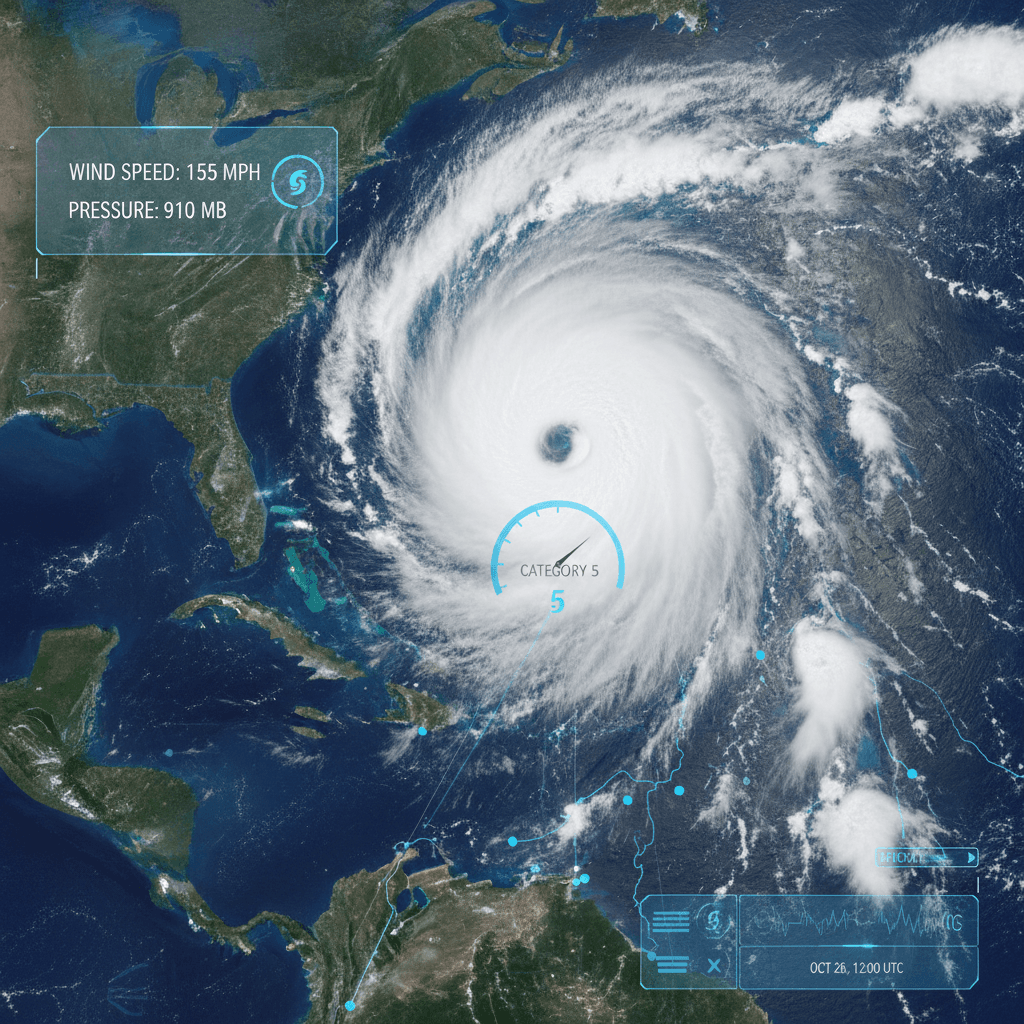
Navigating Florida's Atlantic Tropical Weather Outlook
Here in Florida, the Atlantic Tropical Weather Outlook isn't just a daily forecast; it's a critical part of life for half the year. From June 1st to November 30th, we keep a keen eye on the horizon, understanding that tropical depressions, storms, and hurricanes are a very real possibility. As the founder of Krüger Disaster Recovery Team, I've seen firsthand what these systems can do to our properties, our communities, and our peace of mind. My goal isn't to scare you, but to empower you with the knowledge and practical steps to protect your investment.
The National Hurricane Center (NHC) is our primary source for tracking these systems, and their Tropical Weather Outlook is something every Florida property owner should monitor regularly during hurricane season. This outlook provides crucial information on areas of disturbed weather and their potential for development, giving us valuable lead time to prepare.
Understanding the Threats Beyond a Direct Hit
When people think of hurricane damage, they often picture a Category 5 direct hit. But the truth is, much of the severe weather damage we handle comes from less intense, but equally destructive, scenarios. Tropical storms, or even strong tropical depressions, can bring prolonged heavy rainfall leading to extensive flooding, wind gusts capable of tearing off shingles, and localized tornadoes. High humidity after water intrusion also creates fertile ground for mold, a secondary issue that can be just as costly to mitigate as the initial damage.
In our experience, consistent heavy rain, even from a distant system, often finds the weakest points in a roof or flashing, leading to leaks that go unnoticed until significant interior damage has occurred. That's why being proactive and understanding the full spectrum of the Atlantic tropical weather outlook is so vital.
Your Property's First Line of Defense: The Roof
Let's talk about the most exposed part of your home: the roof. A well-maintained roof is your best defense against hurricane damage and severe weather. We've assessed thousands of roofs across Florida, and I can tell you that age, material, and previous repairs all play a role in its resilience.
- Regular Inspections: Before hurricane season ramps up, get a professional roof inspection. Look for loose or missing shingles, cracked tiles, worn-out flashing around chimneys and vents, and sagging areas. A small repair now can prevent a major disaster later.
- Material Matters: Different roofing materials offer varying levels of protection. For instance, metal roofs generally hold up better to high winds than traditional asphalt shingles, but even they need proper installation and maintenance.
- Building Codes: Florida has some of the most stringent building codes in the nation, particularly concerning roofs, thanks to our history with hurricanes. Ensuring your roof meets or exceeds the current Florida Building Code standards is crucial. If your roof is older, it might not be up to today's wind uplift requirements.
Beyond the Roof: Comprehensive Property Preparedness
Protecting your property from hurricane damage extends far beyond just the roof:
- Secure Your Surroundings: Trim trees and remove dead branches that could become projectiles in high winds. Secure all outdoor furniture, grills, and anything that isn't bolted down.
- Gutters and Drainage: Clear your gutters and downspouts of debris. Ensure water drains away from your foundation. Poor drainage can lead to foundation issues and interior flooding during heavy rainfall.
- Windows and Doors: Inspect shutters for proper function. If you have impact-resistant windows, ensure they're in good condition. For standard windows, plan to board them up effectively. Your garage door is often a weak point; consider reinforcing it.
- Generator Check: If you have a generator, test it regularly and keep fuel on hand. Power outages are common during severe weather.
The Insurance Angle: Navigating Hurricane Claims
Understanding your insurance policy *before* a storm hits is just as important as boarding up your windows. Many homeowners only discover gaps in their coverage after they've filed a claim, and by then, it's often too late.
- Review Your Policy: Pay close attention to your hurricane deductible, which is often a percentage (e.g., 2% or 5%) of your dwelling coverage, not a flat dollar amount. Understand what your policy covers for wind damage versus flood damage. Remember, standard homeowner's insurance typically does not cover flood damage; you need a separate National Flood Insurance Program (NFIP) policy for that.
- Document Everything: Before a storm, take clear photos or videos of your property, inside and out. This documentation is invaluable if you need to file a hurricane damage claim. After a storm, document all damage meticulously before any cleanup begins.
- Working with Adjusters: We've guided countless Florida homeowners through the insurance claim process. Having a trusted contractor on your side who understands the damage, the repair costs, and how to communicate effectively with adjusters can make a significant difference in the outcome of your claim.
When Disaster Strikes: Choosing the Right Recovery Partner
If your property does sustain hurricane damage, the next critical step is selecting the right disaster recovery team. Unfortunately, the aftermath of a storm can attract unscrupulous contractors looking to make a quick buck. Don't fall for high-pressure sales tactics or promises that sound too good to be true.
Look for a local company with a solid reputation, extensive experience in Florida's unique storm environment, and a proven track record of working with insurance companies. We're part of this community, and we're committed to helping our neighbors rebuild with integrity and quality workmanship.
Florida's Atlantic Tropical Weather Outlook is a constant reminder that preparedness isn't a one-time task, but an ongoing commitment. By taking proactive steps, understanding your risks, and knowing who to trust, you can navigate hurricane season with greater confidence and secure your property against whatever mother nature throws our way.
If you're unsure about your property's readiness or need an expert eye on potential vulnerabilities, don't hesitate. Give us a call for a free, no-obligation inspection. We're here to help.

Written by
Gus Kruger
CEO at Krüger
Gus Kruger is the founder and CEO of Krüger Disaster Recovery Team, a Florida-based company specializing in emergency property protection, roofing, and fencing. Since 2016, Gus has built the company from a one-man roof tarp operation into a full-service team of 50+ professionals, serving over 30,000 properties across Florida and the Southeast U.S. A preferred vendor for major insurance carriers, BBB A+ rated, and licensed & insured, Gus leads Krüger with a hands-on approach rooted in fast response, honest work, and long-term property solutions.