
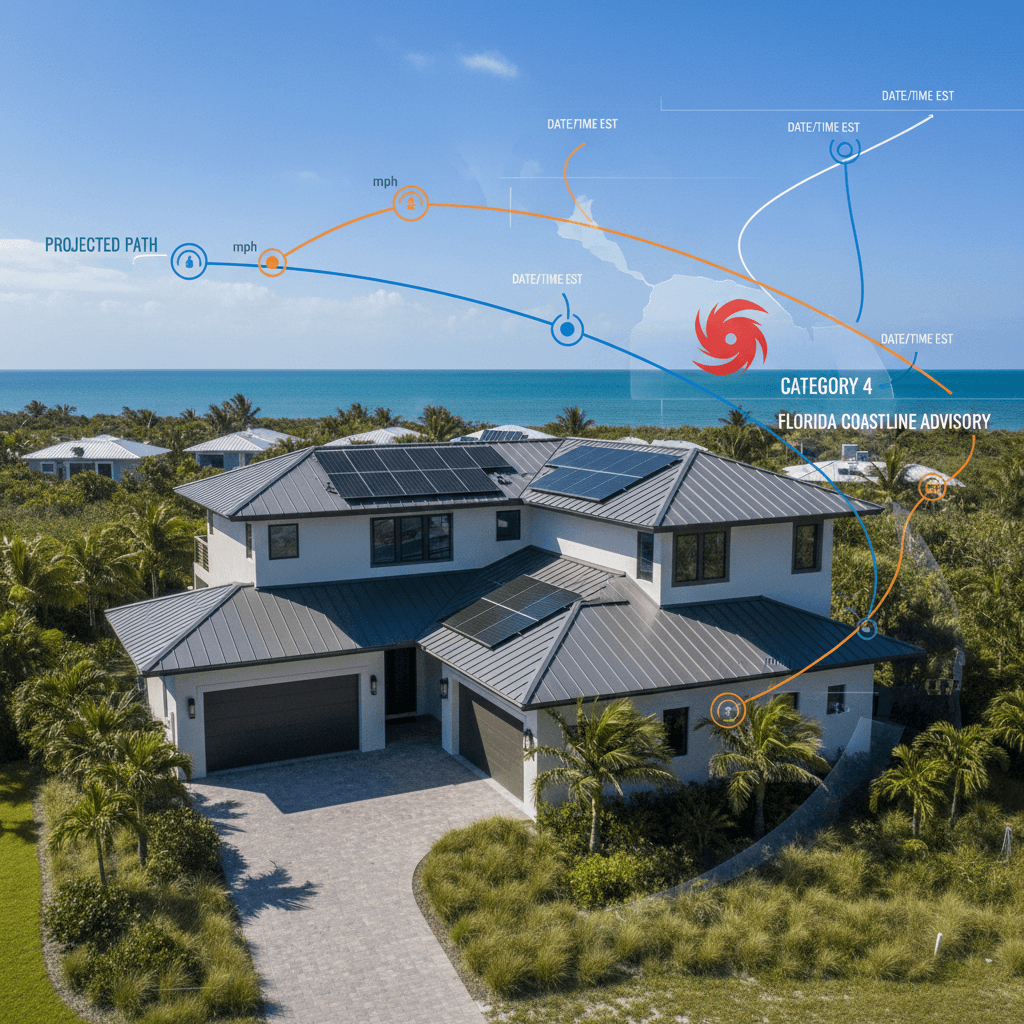
June 1st to November 30th: Get Ready, Florida
Here in Florida, we know these dates by heart: June 1st to November 30th. That's the Atlantic hurricane season, and for those of us who live and work here, it's not just a calendar reminder; it's a call to action. At Krüger Disaster Recovery Team, we've seen firsthand what these storms can do, from a rogue tropical storm that brings surprising flooding to the devastating power of a Category 5 hurricane. While we can't stop Mother Nature, we absolutely can prepare, protect, and recover smarter.
The National Hurricane Center (NHC) issues its forecasts and warnings for a reason: to give us time to get ready. But preparedness isn't just about boarding up windows the day before a storm hits. It's a year-round mindset, especially when it comes to your property, which for most of us, is our biggest investment.
Before the Storm: Proactive Protection is Paramount
Don't wait until a named storm is headed our way to think about your home or business. Early preparation is key, and it all starts with a thorough check-up.
1. Your Roof: The First Line of Defense
Your roof is your property's primary shield against wind and rain. Before hurricane season ramps up, it’s critical to have it inspected. We've seen this hundreds of times: small issues like loose shingles, compromised flashing, or worn sealants can turn into major leaks and structural damage under hurricane-force winds or torrential rains. Our experienced crews know exactly what to look for, identifying potential weak spots that could lead to bigger problems later on. A solid roof can literally save your entire structure.
2. Gutters and Drainage: Prevent Water Intrusion
Clear gutters and downspouts are crucial. Clogged gutters can cause water to back up, overflow, and seep into your fascia, soffits, and even your foundation. In Florida's humid climate, this isn't just a nuisance; it's a breeding ground for mold and mildew, which can quickly become a serious health and structural issue. Ensure water is directed away from your property's foundation.
3. Secure the Perimeter: Windows, Doors, and Yard Debris
Review your windows and doors. Are they hurricane-rated? Do you have hurricane shutters or plywood cut and ready to go? Even small projectiles picked up by strong winds can cause significant damage. Walk around your property and identify anything that could become a projectile – patio furniture, garbage cans, grills, potted plants. Secure or store these items indoors well in advance. Trim trees and bushes that could impact your home or power lines. A clear yard is a safer yard.
4. Review Your Insurance Policy: Know What's Covered
This is a big one. Many property owners don't truly understand their insurance policy until they need to file a claim. Don't let that be you. Sit down with your insurance agent *before* the season starts. Understand your deductibles (especially wind and hurricane deductibles), your coverage limits, and what specific perils are covered. For Floridians, flood insurance is often a separate policy and is absolutely vital, as standard homeowner's policies typically do not cover flood damage. For more information on navigating insurance in Florida, the Florida Department of Financial Services offers valuable resources.
After the Storm: Safe Assessment and Smart Recovery
Once a storm has passed, safety is your absolute priority. Don't rush back into damaged areas. Look out for downed power lines, gas leaks, and structural instability. Once it's safe to do so, follow these steps:
1. Document Everything
Before you even think about making repairs, document the damage extensively with photos and videos. This evidence is critical for your insurance claim. Take pictures from multiple angles, get close-ups of specific damage, and capture overall shots of your property.
2. Prevent Further Damage
If your roof is compromised and letting in water, you might need to make temporary, emergency repairs (like tarping) to prevent further interior damage. Keep receipts for all these emergency measures. However, avoid making permanent repairs until your insurance adjuster has had a chance to assess the damage, unless it's an immediate safety hazard.
3. Call the Professionals for Assessment
Even if damage isn't immediately visible, a thorough inspection by a reputable disaster recovery team like ours is essential. High winds can cause subtle structural damage, lift shingles, or compromise your underlayment without obvious signs. Water intrusion, especially, can hide and cause long-term problems. We're well-versed in Florida's rigorous building codes, which are designed to ensure properties are rebuilt stronger and safer after a storm. We'll provide a detailed assessment that you can present to your insurance company.
4. Navigating the Insurance Claim Process
Dealing with insurance companies can be complex and frustrating, especially when you're already stressed by storm damage. We work closely with adjusters, providing them with clear, professional documentation and estimates to ensure your claim is handled fairly and efficiently. Our goal is to make sure you receive the full scope of what's needed to restore your property to its pre-storm condition, or even better, in compliance with the latest codes.
Your Partner in Preparedness and Recovery
At Krüger Disaster Recovery Team, we're more than just contractors; we're your neighbors who understand the unique challenges of living in Florida. We've weathered countless storms alongside our community, helping property owners navigate the aftermath with expertise and empathy. From proactive inspections to comprehensive storm damage repair and seamless insurance claim support, we're here to protect your investment.
Don't let hurricane season catch you off guard. If you have questions about your property's readiness or need an expert assessment, don't guess. Give us a call today for a free, no-obligation inspection. Let's make sure your property is secure for whatever this season brings.

Written by
Gus Kruger
CEO at Krüger
Gus Kruger is the founder and CEO of Krüger Disaster Recovery Team, a Florida-based company specializing in emergency property protection, roofing, and fencing. Since 2016, Gus has built the company from a one-man roof tarp operation into a full-service team of 50+ professionals, serving over 30,000 properties across Florida and the Southeast U.S. A preferred vendor for major insurance carriers, BBB A+ rated, and licensed & insured, Gus leads Krüger with a hands-on approach rooted in fast response, honest work, and long-term property solutions.