
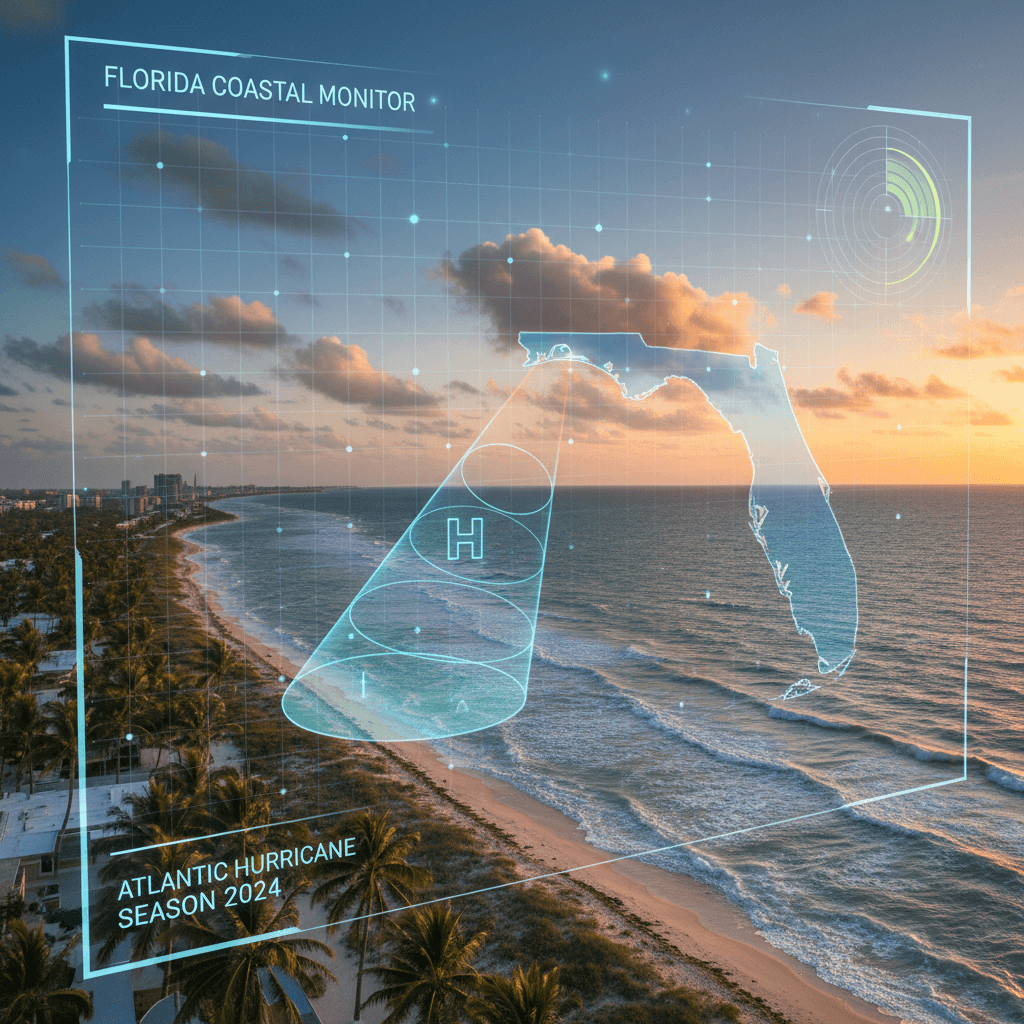
Navigating Florida's Hurricane Season: What Every Property Owner Needs to Know
Here in Florida, the calendar marking June 1st isn't just the start of summer; it's the official kick-off to the Atlantic hurricane season. As a property owner, especially one who's seen our beautiful state battered by countless storms, I know that from June 1st all the way through November 30th, we need to be on high alert. This isn't about fear; it's about preparedness, understanding, and protecting what you've worked so hard for.
At Krüger Disaster Recovery Team, we've walked through the aftermath with thousands of homeowners and businesses. We've seen the devastation, but more importantly, we've seen the resilience and the smart planning that helps properties bounce back. Understanding this season, officially recognized by the National Hurricane Center (NHC), is the first step in being ready.
The Reality of Hurricane Season in the Sunshine State
For half the year, our proximity to the warm waters of the Atlantic Ocean and the Gulf of Mexico means we're susceptible to everything from tropical depressions to major hurricanes. Each system brings its own set of challenges: torrential rain, damaging winds, storm surge, and even tornadoes. We've seen roofs peeled back like tin cans, entire structures inundated, and debris scattered for miles. It’s a harsh reality, but one we learn to live with and, more importantly, prepare for.
The impact isn't just immediate structural damage. Prolonged exposure to humidity and moisture after a storm can lead to serious issues like mold growth, which can compromise indoor air quality and structural integrity if not addressed quickly and correctly. That's why prompt action and proper remediation are critical.
Proactive Steps: Before the Storm Hits
Preparing for hurricane season isn't a one-time task; it's an ongoing process. Think of it like maintaining your car – you don't wait for a breakdown to get an oil change. Here are some critical steps we always recommend:
- Roof Inspection: Your roof is your first line of defense. Before hurricane season, get a professional inspection. We often identify loose shingles, cracked tiles, or compromised flashing that, while seemingly minor, can become major entry points for water during high winds and heavy rain. Addressing these issues proactively can save you a world of trouble and expense.
- Yard & Property Cleanup: Anything that can become a projectile in high winds needs to be secured or stored. This includes outdoor furniture, grills, trash cans, and even decorative items. Trim trees and shrubs, removing any dead or weak branches that could fall onto your home or car.
- Review Your Insurance Policy: This is non-negotiable. Don't wait until a storm is bearing down. Understand your deductibles, especially for wind and hurricane damage. Know what's covered and what isn't. Take photos or videos of your property, inside and out, as proof of its condition before a storm. Store these securely in the cloud or off-site.
- Emergency Kit: Gather essential supplies like non-perishable food, water, medications, a first-aid kit, flashlights, batteries, and a battery-powered radio. The Federal Emergency Management Agency (FEMA) offers comprehensive guides on what to include in your kit.
- Important Documents: Keep copies of critical documents – insurance policies, identification, property deeds, medical records – in a waterproof, easily accessible container. Consider having digital copies stored securely off-site.
After the Storm: Navigating the Recovery Process
When the storm passes, the real work of recovery begins. This is where having a trusted partner makes all the difference.
1. Safety First, Then Assessment
Before doing anything else, ensure your property is safe to enter. Watch for downed power lines, gas leaks, and structural instability. Once it's safe, document everything. Take detailed photos and videos of all damage, inside and out. The more evidence you have, the smoother your insurance claim process will be.
2. Contact Your Insurer
Notify your insurance company as soon as possible. Be prepared to provide them with the details of the damage you've observed. Remember, they are looking out for their bottom line, which is why having an advocate on your side is so important.
3. The Adjuster Visit and Beyond
An adjuster from your insurance company will visit your property to assess the damage. This is a critical point. Their assessment will determine the payout you receive. We've seen countless instances where initial adjuster estimates fall short of the true cost of repairs, especially when considering Florida's stringent building codes and the nuances of hurricane damage. We often meet with adjusters directly, presenting a comprehensive estimate that ensures all damages, visible and hidden, are accounted for.
4. Repairing Right, The Florida Way
Choosing the right contractor after a storm is paramount. Unfortunately, post-disaster scenarios often attract unlicensed contractors or 'storm chasers' who do shoddy work and disappear. Always verify licenses, check references, and ensure your contractor is experienced in handling Florida-specific hurricane repairs and understands our unique building codes. Rebuilding to code isn't just about compliance; it's about making your property stronger and more resilient for future storms.
We specialize in working with insurers to ensure repairs meet or exceed current Florida building codes. This means utilizing materials and techniques designed to withstand our climate, not just patching things up. It’s about restoring your property, and often improving it.
Partnering with Krüger Disaster Recovery Team
When you're facing hurricane damage, you don't need more stress; you need solutions. At Krüger Disaster Recovery Team, we handle the complexity of the insurance claim process, from detailed damage assessments and estimates to direct negotiations with your insurance company. Our goal is to take the burden off your shoulders, ensuring you receive a fair settlement that allows for proper, lasting repairs. We know the ins and outs of Florida insurance claims and understand what it takes to get things done right.
This hurricane season, be prepared. Don't wait until a storm is knocking on your door. If you have any concerns about your property's readiness, or if you find yourself facing damage this season, remember we're here to help.
Stay safe, Florida. We're in this together.

Written by
Gus Kruger
CEO at Krüger
Gus Kruger is the founder and CEO of Krüger Disaster Recovery Team, a Florida-based company specializing in emergency property protection, roofing, and fencing. Since 2016, Gus has built the company from a one-man roof tarp operation into a full-service team of 50+ professionals, serving over 30,000 properties across Florida and the Southeast U.S. A preferred vendor for major insurance carriers, BBB A+ rated, and licensed & insured, Gus leads Krüger with a hands-on approach rooted in fast response, honest work, and long-term property solutions.