
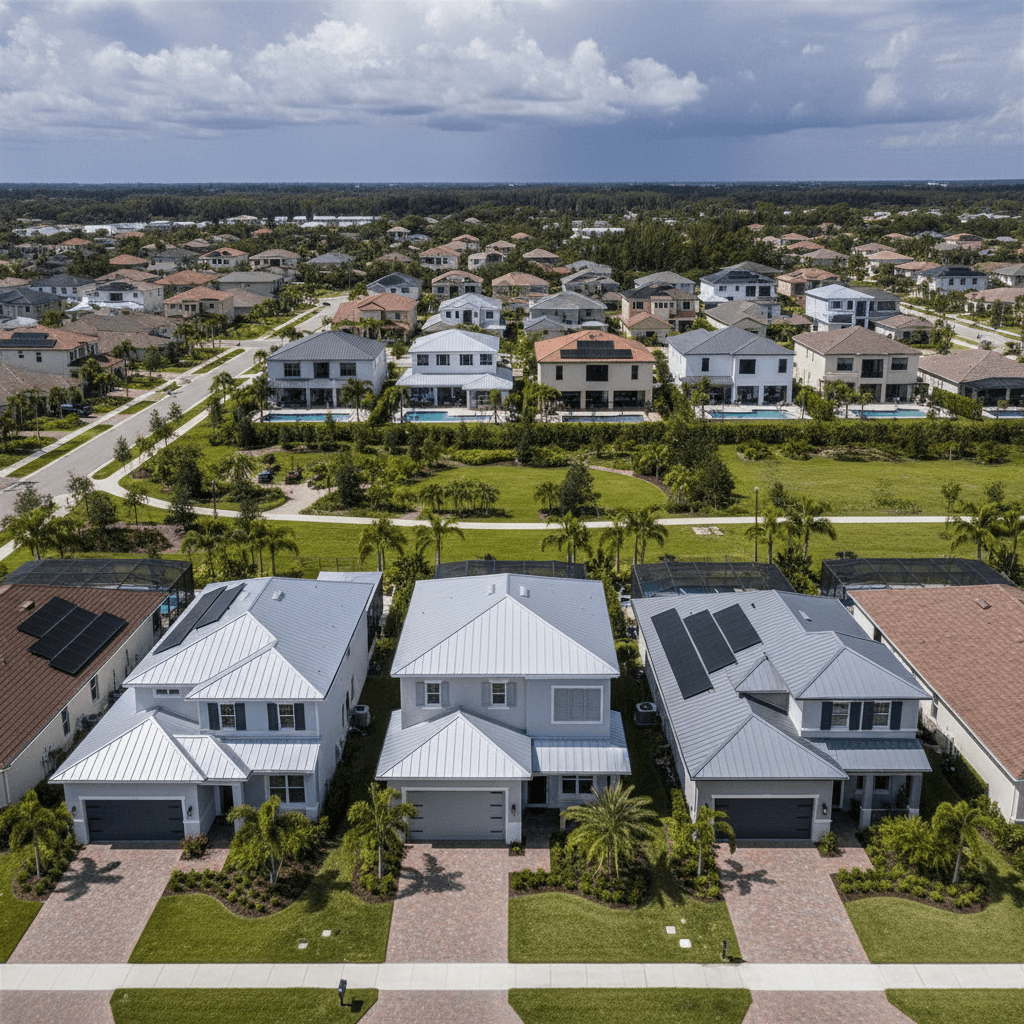
Understanding Florida's Hurricane Season: June 1st to November 30th
Here in Florida, we live in paradise, but paradise comes with its own set of challenges. One of the biggest we face every year is the Atlantic hurricane season. It officially kicks off on June 1st and doesn't wrap up until November 30th, as the National Hurricane Center clearly states on their website. That's six months where we're keeping one eye on the tropics, and as a property owner, you should be too.
I'm Gus Kruger, and my team at Krüger Disaster Recovery has seen firsthand the havoc a single storm can wreak on homes and businesses across this state. We've helped thousands of families navigate the aftermath of hurricanes, tropical storms, and even severe thunderstorms that roll in with little warning. The good news? Preparedness is your best defense. Knowing the season's timeline is step one; taking action is step two.
Why These Dates Matter for Florida Property Owners
The June 1st to November 30th window isn't arbitrary. It covers the period when ocean temperatures are warmest, atmospheric conditions are most conducive, and wind shear is typically low, all factors that contribute to tropical storm and hurricane formation. While storms can technically form outside this window, the vast majority – and the most powerful ones – occur within these six months.
For us in Florida, this period means increased vigilance. It’s not just about direct hurricane hits; even a strong tropical storm can bring significant wind damage, torrential rain, and devastating flooding. Our state’s unique geography, with its low elevation and extensive coastline, makes us particularly vulnerable. Humidity is already a constant battle here, and excessive water intrusion from a storm can quickly lead to mold and structural issues if not addressed promptly and properly.
Common Hurricane Damage We See
When a storm hits, there are a few usual suspects when it comes to property damage:
- Roof Damage: This is almost always number one. High winds can lift, tear, or completely remove shingles, tiles, or metal panels. Granule loss, punctures from flying debris, or even complete structural failure are common. Even seemingly minor damage can lead to significant water intrusion, compromising your attic and interior.
- Water Intrusion: Beyond roof leaks, we see water forced in through windows, doors, and even walls. Storm surge can be catastrophic for coastal properties, while inland areas grapple with heavy rainfall and overflowing waterways. This can damage drywall, flooring, electrical systems, and personal belongings.
- Window & Door Damage: Flying debris can shatter windows, leading to water and wind entering the home. Garage doors are particularly vulnerable due to their large surface area.
- Structural Damage: While less common for well-built homes in newer communities adhering to strict Florida building codes, severe hurricanes can cause structural damage, especially to older homes or those not up to current codes.
- Tree & Debris Damage: Fallen trees or large branches can crush roofs, vehicles, and fences. General debris, like fences, patio furniture, and even neighbor's property, can become projectiles.
Your Pre-Season Game Plan: Practical Steps
Don't wait for a storm to be bearing down on us to start preparing. Proactive measures save you time, money, and a lot of headaches down the line.
- Get a Professional Roof Inspection: This is non-negotiable. Before June 1st, have a reputable contractor (like us at Krüger Disaster Recovery) inspect your roof. We can identify weak spots, loose shingles, or potential vulnerabilities that might fail in a strong wind. Addressing these minor issues now can prevent major damage later. Think of it as a hurricane season physical for your home's first line of defense.
- Trim Trees and Clear Gutters: Overhanging branches are ticking time bombs in a storm. Have dead or weak limbs removed by a certified arborist. Clear your gutters and downspouts to ensure proper water drainage, preventing water from pooling around your foundation or backing up into your attic.
- Secure Loose Items: Anything outdoors that isn't bolted down needs to be stored inside or securely fastened. Patio furniture, grills, trash cans, garden tools – these all become dangerous projectiles in high winds.
- Review Your Insurance Policy: Do you know what your deductible is? Do you have adequate coverage for wind, hail, and flood damage? Many standard homeowner policies don't cover flood damage, which requires a separate policy. Understanding your policy *before* a storm hits is crucial for a smooth claims process. Talk to your agent, understand your coverage, and document your valuables.
- Develop an Evacuation Plan and Kit: Know your zone, identify evacuation routes, and have a family communication plan. Prepare a disaster kit with enough food, water, medicine, and essential documents for at least 72 hours.
Post-Storm: What to Do If Damage Occurs
If a storm does hit, your immediate priorities are safety and documentation. Once it's safe to do so:
- Assess for Safety: Check for downed power lines, gas leaks, or structural instability before entering damaged areas.
- Document Everything: Take extensive photos and videos of all damage *before* any cleanup or repairs begin. This is critical for your insurance claim. We've seen hundreds of times how good documentation can speed up the process and ensure you get what you're owed.
- Prevent Further Damage: If possible and safe, take temporary measures like tarping a damaged roof to prevent more water intrusion. Keep receipts for any materials you buy for these temporary repairs.
- Contact Your Insurance Company: Report your claim as soon as possible.
- Call a Trusted Professional: This is where Krüger Disaster Recovery comes in. Don't just pick the first company that knocks on your door. We understand Florida building codes, the insurance claims process, and how to properly assess and repair hurricane damage to protect your investment for the long haul. We work directly with your insurance adjuster to ensure all damage is identified and covered.
The Atlantic hurricane season is a fact of life here in Florida. But it doesn't have to be a source of constant dread. By understanding the risks, taking proactive steps, and knowing who to call if the worst happens, you can protect your property and your peace of mind.
We're always here to help you get prepared or recover when disaster strikes. Don't wait for a storm to be on the horizon. Let's make sure your property is ready for whatever this season brings. Give us a call for a free, no-obligation roof inspection and let's get you set up right.

Written by
Gus Kruger
CEO at Krüger
Gus Kruger is the founder and CEO of Krüger Disaster Recovery Team, a Florida-based company specializing in emergency property protection, roofing, and fencing. Since 2016, Gus has built the company from a one-man roof tarp operation into a full-service team of 50+ professionals, serving over 30,000 properties across Florida and the Southeast U.S. A preferred vendor for major insurance carriers, BBB A+ rated, and licensed & insured, Gus leads Krüger with a hands-on approach rooted in fast response, honest work, and long-term property solutions.