
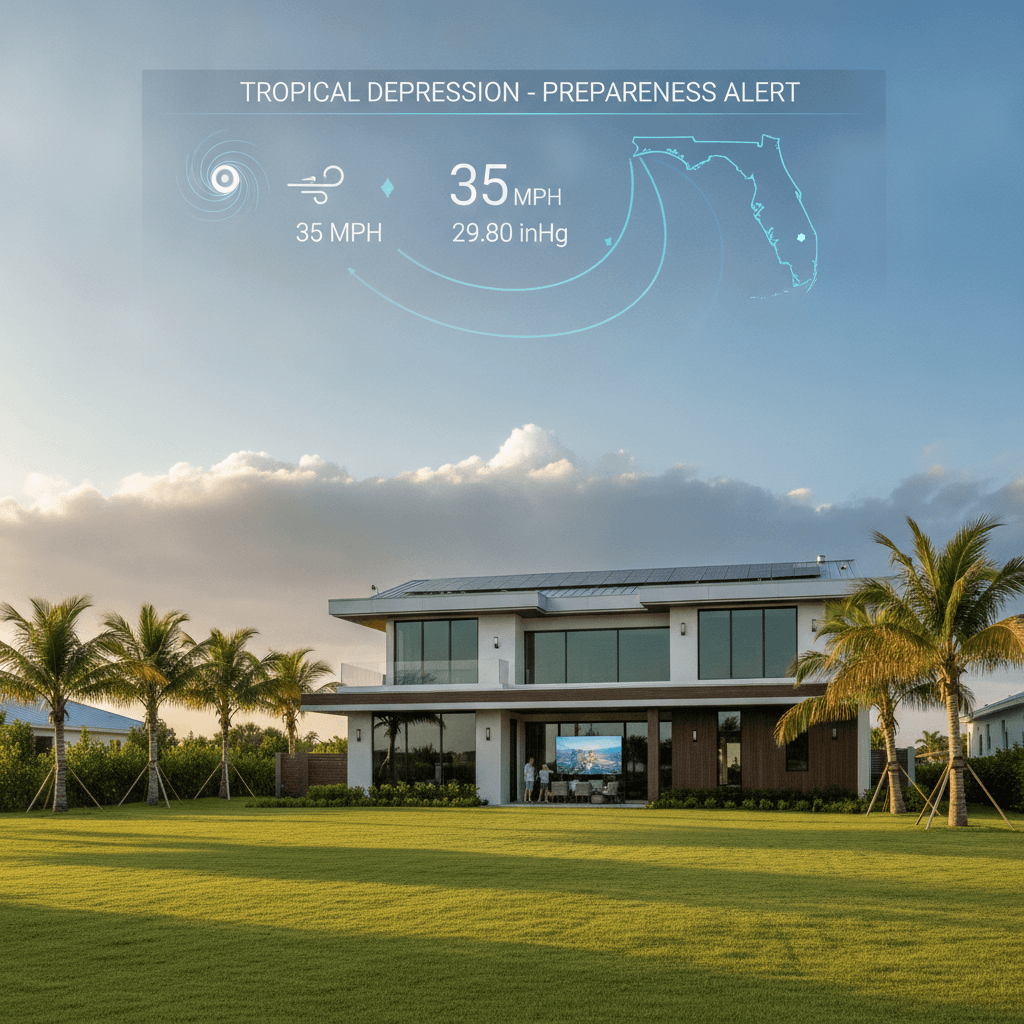
Keep Your Guard Up: Preparing for Tropical Depression Two in Florida
Here in Florida, we know a thing or two about tropical weather. So, when the National Hurricane Center (NHC) updates us on something like Tropical Depression Two – meandering off our west coast with 30 mph winds and a low central pressure – it's a reminder to keep our guard up, even if it's not a named storm yet.
As of the latest reports, this depression is just moving at 1 mph, which means it has plenty of time to churn, gather moisture, and potentially bring us some unwelcome weather. For property owners, this isn't a time for panic, but it is definitely a time for proactive preparation. At Krüger Disaster Recovery Team, we've seen hundreds of scenarios like this unfold, and the best defense is always a good offense.
Understanding the Threat: It's More Than Just Wind
Even a tropical depression, with its seemingly low wind speeds, can bring significant challenges. The primary concerns are:
- Heavy Rainfall: Slow-moving systems can dump tremendous amounts of rain, leading to localized flooding, overwhelmed drainage systems, and potential water intrusion into homes.
- Gusty Winds: While not hurricane-force, 30-40 mph gusts can still kick up debris, damage weakened tree limbs, and expose vulnerabilities in your roofing and siding.
- Storm Surge (Coastal Areas): Depending on the track and strength, even a depression can push water inland, especially in low-lying coastal areas.
- Power Outages: High winds and saturated ground make trees more prone to falling onto power lines, leading to outages.
These elements, combined with Florida's naturally high humidity, create a perfect storm for property damage. Water intrusion, left unaddressed, quickly turns into mold and more extensive structural issues. That’s why taking steps *before* the rain starts is so crucial.
Your Pre-Storm Checklist: Practical Steps to Protect Your Property
1. Stay Informed and Monitor Local Conditions
First things first: keep a close eye on official weather sources. The National Hurricane Center (NHC) is your go-to for real-time updates on tropical systems. Local news and weather apps can also provide specific forecasts for your immediate area. Don't rely on social media rumors; stick to the experts.
2. Secure Your Outdoor Space
This is basic, but it saves a lot of headaches (and potential damage). Anything that can become a projectile needs to be brought inside or securely tied down. Think patio furniture, trash cans, grills, potted plants, and decorations. Check your gutters and downspouts to ensure they’re clear of leaves and debris. Clogged gutters can lead to water overflowing and pooling around your foundation, potentially causing costly damage.
3. Inspect Your Roof – It’s Your First Line of Defense
Living in Florida, your roof takes a beating year-round from sun, heat, and humidity, even before a storm hits. This constant exposure can loosen shingles, crack tiles, and degrade sealant, making it vulnerable to strong gusts and heavy rain. A tropical depression is an excellent reminder to give your roof a quick visual check from the ground. Look for loose or missing shingles, damaged flashing, or any obvious signs of wear and tear. If you spot anything concerning, now's the time to call a trusted professional. We've seen firsthand how a small, unaddressed issue can become a major leak during even a moderate storm.
4. Review Your Emergency Kit and Plan
Even if this depression doesn't intensify, power outages are always a possibility. Ensure your emergency kit is stocked with water, non-perishable food, flashlights, batteries, a first-aid kit, and any necessary medications. Have a plan for communicating with family and know where important documents are stored (ideally in a waterproof container).
5. Understand Your Insurance Policy (Before You Need It!)
This is huge, especially in Florida. Don't wait until a tree is on your roof to understand your homeowner's insurance policy. Pull it out and review it. Pay close attention to your deductibles, particularly any separate hurricane deductibles. Understand what's covered for wind damage versus water damage (e.g., flood insurance is usually separate). If you have questions, call your agent *now*. Knowing your coverage beforehand can make the claims process significantly smoother if damage occurs.
After the Storm: What to Do If Damage Occurs
If Tropical Depression Two (or any future storm) leaves its mark on your property, remember these steps:
- Safety First: Prioritize your family's safety. Stay away from downed power lines and report them immediately.
- Document Everything: Take photos and videos of all damage *before* any repairs begin. This is critical for your insurance claim.
- Temporary Repairs: Make temporary repairs to prevent further damage (e.g., tarping a damaged roof). Keep receipts for all materials.
- Contact a Trusted Contractor: Before you call your insurance company, if the damage is significant, consider calling a reputable local contractor like us. We can help you assess the full scope of damage and provide an estimate, which can be invaluable when dealing with your insurance adjuster. Unfortunately, Florida sometimes sees an influx of unscrupulous contractors after storms; always choose local, licensed, and insured professionals with a strong track record.
- Start the Claims Process: Once you have a clear picture of the damage, contact your insurance provider to file a claim. Be prepared to provide all your documentation.
Florida's building codes are designed to make homes more resilient to tropical weather, but older homes might not meet current standards, making them more susceptible to damage. Even newer homes can have vulnerabilities if not properly maintained. Our humid climate also means any water intrusion needs to be addressed quickly and thoroughly to prevent mold, which can lead to additional health concerns and costly remediation.
We live in paradise, but paradise comes with its share of weather challenges. Staying informed and taking a few proactive steps can make all the difference in protecting your biggest investment. If you've got questions about your roof's integrity, potential vulnerabilities, or just want an expert eye on your property before the weather gets serious, give us a shout. A quick inspection can save you a world of trouble down the line.

Written by
Gus Kruger
CEO at Krüger
Gus Kruger is the founder and CEO of Krüger Disaster Recovery Team, a Florida-based company specializing in emergency property protection, roofing, and fencing. Since 2016, Gus has built the company from a one-man roof tarp operation into a full-service team of 50+ professionals, serving over 30,000 properties across Florida and the Southeast U.S. A preferred vendor for major insurance carriers, BBB A+ rated, and licensed & insured, Gus leads Krüger with a hands-on approach rooted in fast response, honest work, and long-term property solutions.