
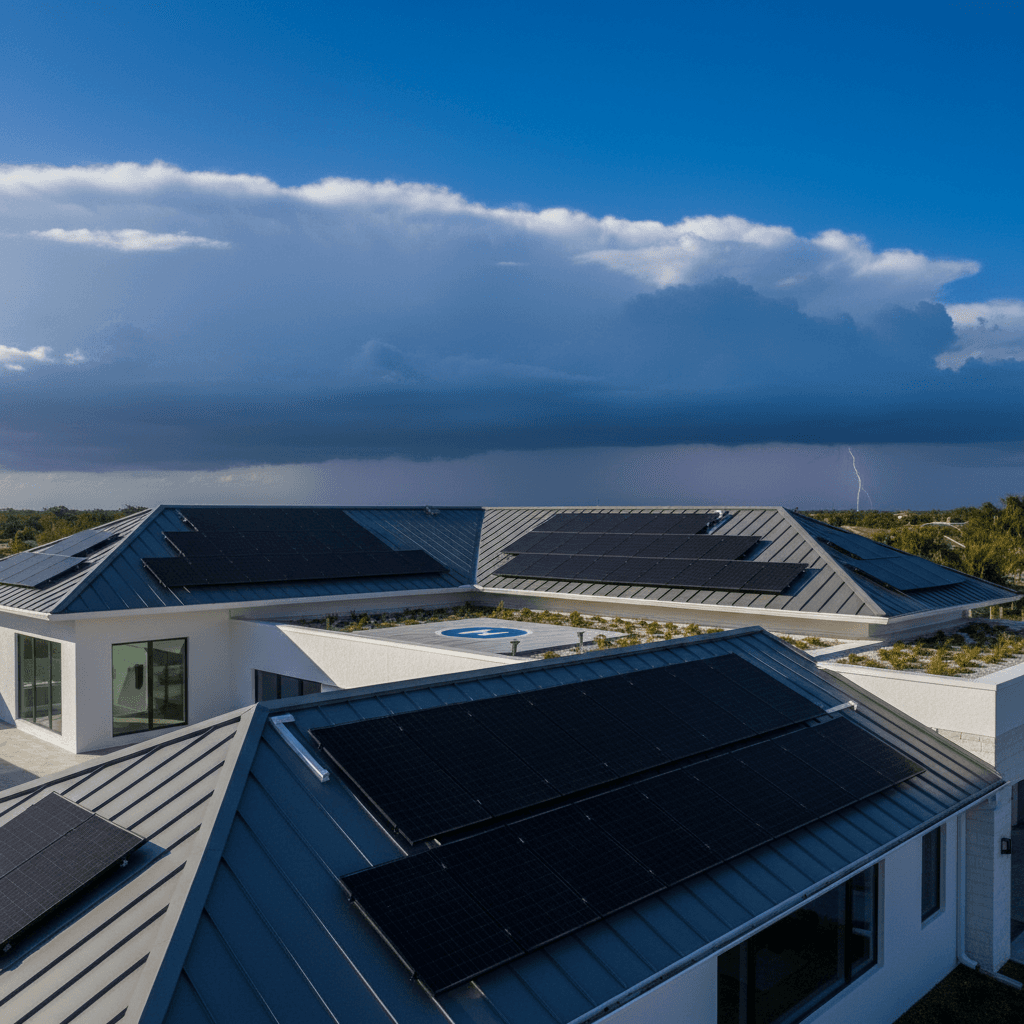
Hurricane Season is Bearing Down: Is Your Florida Roof Ready?
Down here in Florida, we love our sunshine, the beaches, and that laid-back lifestyle. But we also know a thing or two about severe weather. Every year, as June 1st rolls around, a familiar tension builds: hurricane season is upon us. It’s not a matter of if, but when, a tropical storm or hurricane will test our homes.
Recently, we saw a call to action from our industry peers, even reaching publications like The Oklahoman, urging West Central Florida homeowners to get their roofs ready. And they're absolutely right. This isn't just good advice; it's critical for protecting your property and investment.
Why Your Roof is Your Home's First Line of Defense
Think about it: your roof is the shield that stands between your home's interior and everything Mother Nature throws at us. Here in Florida, that means not just torrential rain and high winds, but also relentless sun, heat, and humidity. These elements work together, day in and day out, to degrade roofing materials over time. Even a seemingly small issue can become a catastrophic failure when a major storm rolls through.
We've seen it hundreds of times. A few cracked shingles, a piece of loose flashing, or a clogged gutter might seem minor on a sunny day. But under the stress of 80+ mph winds and driving rain, those weak points turn into entryways for water, leading to interior damage, mold, and far more extensive (and expensive) repairs.
What We Look For: Spotting Trouble Before the Storm Hits
Most homeowners aren't climbing onto their roofs regularly, and frankly, you shouldn't be unless you're a trained professional. That's where we come in. A thorough roof inspection before hurricane season is like a health check-up for your home. Here’s what we meticulously check for:
- Missing, Cracked, or Curled Shingles: These are obvious weak points where wind can catch and peel back more of your roof.
- Granule Loss: If you see a lot of gritty, sand-like material in your gutters, it means your shingles are losing their protective coating, reducing their lifespan and UV resistance.
- Damaged Flashing: This is the metal or composite material around chimneys, vents, and skylights. If it's lifted, rusted, or poorly sealed, water will find its way in.
- Loose or Damaged Soffit and Fascia: These elements protect the eaves of your roof. Damage here can allow pests, water, and even wind to get into your attic.
- Clogged or Detached Gutters: Gutters are crucial for directing water away from your foundation. If they’re blocked or broken, water pools on your roof or cascades down your walls.
- Signs of Water Intrusion in the Attic: Stains, dampness, or a musty smell in your attic are clear indicators of a roof leak, even if you don't see them inside your living space yet.
- Previous Unrepaired Storm Damage: Often, smaller storm damage goes unnoticed or is put off. These minor issues compound and make your roof far more vulnerable to the next big blow.
The Insurance Equation: Pre-Existing Damage & Your Claim
This is a big one, especially in Florida. Insurance companies are increasingly scrutinizing claims for signs of pre-existing damage. If your roof already had missing shingles or significant wear and tear before a hurricane, your claim could be significantly reduced or even denied. An insurance adjuster's job is to assess damage caused by *a specific event*, not to cover general wear and tear or damage that was already present.
By getting a professional inspection and addressing issues *before* a storm, you create a documented record of your roof's condition. This proactive maintenance strengthens your position should you need to file a claim. You’ll have clear evidence that any new damage was indeed caused by the storm, not neglect.
Florida Building Codes and Hurricane Preparedness
Florida has some of the most stringent building codes in the nation, particularly when it comes to roofs and hurricane resistance. After devastating storms like Andrew and Charley, the Florida Building Code has continually evolved to mandate stronger construction practices. When we perform repairs or replacements, we ensure they meet or exceed these codes, not just for compliance, but for your home’s long-term safety and resilience.
Understanding and adhering to these codes is paramount. It's not just about passing an inspection; it's about building a roof that can truly stand up to the severe weather we face year after year. A properly installed, code-compliant roof significantly reduces the risk of major damage.
Our Process: A Step-by-Step Approach to Roof Readiness
At Krüger Disaster Recovery Team, we don’t just look at your roof; we assess its entire system. Our inspections are comprehensive:
- Detailed Assessment: We meticulously examine every square foot of your roof, from shingles to flashing, gutters, and ventilation. We also check your attic for any signs of hidden leaks or structural concerns.
- Condition Report: You’ll receive a clear, easy-to-understand report detailing our findings, complete with photos of any issues.
- Actionable Recommendations: We'll outline specific repairs or maintenance needed, prioritize them, and explain the costs involved, empowering you to make informed decisions.
- Guidance on Next Steps: Whether it's a minor repair or a full replacement, we'll guide you through the process, including how to document everything for insurance purposes.
Our goal is to give you peace of mind, knowing your roof is as prepared as it can be.
Practical Steps You Can Take (Beyond an Inspection)
While a professional inspection is crucial, there are other steps you can take around your property to prepare:
- Clear Gutters and Downspouts: Ensure water can flow freely away from your roof and foundation.
- Trim Overhanging Branches: Any tree limb that could fall on your roof during high winds should be trimmed back now.
- Secure Outdoor Items: Bring in or secure anything that could become a projectile, like patio furniture, grills, or trash cans.
- Know Your Evacuation Zone: Familiarize yourself with your local evacuation zones and routes, and have a family emergency plan ready.
- Review Your Insurance Policy: Understand your coverage, deductibles, and what your policy covers in the event of hurricane damage.
Remember, a little preparation goes a long way when a storm is brewing. We’re in for what NOAA predicts to be an above-normal 2024 Atlantic hurricane season, so there's no time to waste.
Don't Wait Until It's Too Late – Secure Your Investment Today
In Florida, your home is more than just a house; it’s an investment, a sanctuary, and the center of your family's life. Protecting it starts with a strong, healthy roof. Don’t let hurricane season catch you off guard. Take action now to identify and fix potential vulnerabilities.
We're here to help you get ahead of the storm. Let us give you an honest assessment and the practical advice you need to ensure your roof is ready for whatever this hurricane season brings. Give Krüger Disaster Recovery Team a call today for a free, no-obligation roof inspection.

Written by
Gus Kruger
CEO at Krüger
Gus Kruger is the founder and CEO of Krüger Disaster Recovery Team, a Florida-based company specializing in emergency property protection, roofing, and fencing. Since 2016, Gus has built the company from a one-man roof tarp operation into a full-service team of 50+ professionals, serving over 30,000 properties across Florida and the Southeast U.S. A preferred vendor for major insurance carriers, BBB A+ rated, and licensed & insured, Gus leads Krüger with a hands-on approach rooted in fast response, honest work, and long-term property solutions.