
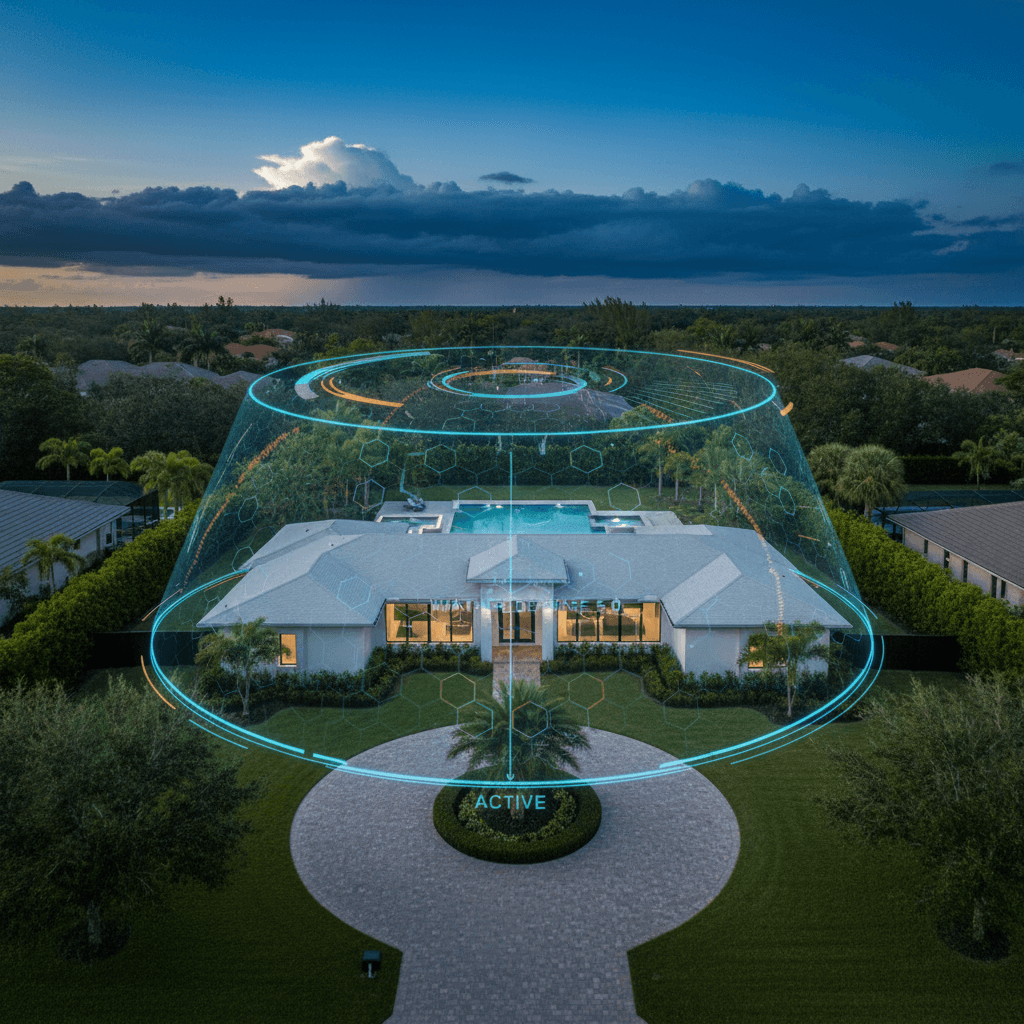
Gearing Up for Hurricane Season: Protecting Your Florida Investment
Here in Florida, we live in paradise, but that comes with a yearly reality check: hurricane season. Every year, from June 1st through November 30th, we keep a keen eye on the tropics. As property owners, it’s not just about watching the forecasts; it’s about proactive preparation, understanding your property’s vulnerabilities, and knowing your game plan for when a storm threatens.
I've been in this business a long time, starting on the tools and building Krüger Disaster Recovery Team from the ground up. We've seen firsthand what these storms can do – from a tropical depression that brings relentless rain to a Category 5 monster that reshapes entire communities. My goal isn't to scare you, it's to arm you with the knowledge and practical steps to protect your home or business, your family, and your investment.
Why Florida's Hurricane Season Demands Respect
Florida’s unique geography makes us a prime target. We're a peninsula, surrounded by warm ocean waters that fuel these massive weather systems. Beyond the direct impact of high winds and torrential rain, we also deal with storm surge, flash flooding, and the prolonged humidity that follows, which can lead to secondary damage like mold if not addressed quickly.
We've helped countless property owners recover from everything from Hurricane Irma to Hurricane Ian, and the lesson is always the same: preparation is key. Don't wait until a storm is churning in the Caribbean to start thinking about your roof or your insurance policy.
Before the Storm: Your Proactive Checklist
This isn't about boarding up your windows a day before landfall; it's about year-round maintenance and planning. Think of it as your property’s annual physical.
- Roof Inspection and Maintenance: Your roof is your first line of defense. High winds will find any weak spot. We recommend getting a professional inspection every year, well before hurricane season starts. Look for loose, cracked, or missing shingles, compromised flashing around vents and chimneys, and any signs of wear. A small repair now can prevent a catastrophic leak during a storm. Remember, the Florida Building Code sets high standards for roofing to withstand our unique weather, so ensuring your roof meets these codes is crucial.
- Trim Your Trees and Secure Loose Items: Those beautiful oak trees can become weapons in strong winds. Have a professional trim back branches that hang over your roof or could impact your home. Anything not tied down – patio furniture, garbage cans, grills, decorative items – can become a projectile. Stow it inside or secure it firmly.
- Check Your Drainage: Gutters and downspouts should be clear of debris to ensure water flows away from your foundation. Evaluate your landscaping for proper grading that directs water away from your home, preventing pooling and potential flooding.
- Secure Openings: Have hurricane shutters ready, or if you use plywood, make sure it’s cut to size and you have the necessary hardware. Test your garage door bracing if you have it. Windows and doors are vulnerable points.
- Inventory and Documentation: This is tedious but critical. Take photos and videos of your property, inside and out, especially high-value items. Keep these in a secure, off-site location (cloud storage is great). This documentation is invaluable for insurance claims later.
- Review Your Insurance Policy: Don't assume. Understand your coverage – what's included, what's excluded, your deductibles (especially hurricane deductibles), and limits. Know your insurer’s contact information. If you're unsure, call your agent or, better yet, get a flood insurance policy if you're in a flood zone, as standard homeowner's insurance doesn't cover flood damage.
During the Storm: Safety First
Once a storm is bearing down, your priority shifts from property prep to personal safety. Follow local authorities' evacuation orders. If you're sheltering in place, stay indoors, away from windows. Don't go outside during the calm of the eye – the worst winds will return from the opposite direction.
For comprehensive guidance on what to do during and after a hurricane, the Ready.gov website by FEMA is an excellent resource for creating a family emergency plan and building a disaster kit.
After the Storm: The Road to Recovery
When the storm passes, patience and a clear head are vital. Safety first: watch for downed power lines, gas leaks, and structural damage. Don’t enter damaged buildings until they are deemed safe.
- Document, Document, Document: As soon as it’s safe, begin documenting the damage. Take more photos and videos of everything – every broken shingle, every water stain, every piece of debris. This is crucial for your insurance claim.
- Temporary Repairs: Prevent further damage. If your roof has a tarpable hole, get it covered quickly. We can assist with emergency tarping to stop leaks and mitigate further issues, preventing secondary damage like mold. Always keep receipts for any materials or services.
- Contact Your Insurance Company: Report your claim promptly. Be prepared to provide your policy number and details of the damage.
- Working with an Experienced Team: This is where Krüger Disaster Recovery Team comes in. We’ve handled hundreds of insurance claims in Florida. We know how to talk to adjusters, what documentation they need, and how to ensure your property is restored properly and to code. Don't feel you have to navigate the complex world of insurance and storm repairs alone. We act as your advocate, making sure you get a fair settlement to rebuild correctly.
Don't Wait, Prepare Today
Hurricane season is a constant reminder that nature can be unpredictable. But with smart preparation and the right team by your side, you can face it with confidence. Don't put off that roof inspection, or reviewing your insurance policy. A little effort now can save you a world of trouble later.
If you have questions about your property’s readiness or need an assessment, give us a call. We offer free, no-obligation property inspections to help you identify potential vulnerabilities before a storm hits.

Written by
Gus Kruger
CEO at Krüger
Gus Kruger is the founder and CEO of Krüger Disaster Recovery Team, a Florida-based company specializing in emergency property protection, roofing, and fencing. Since 2016, Gus has built the company from a one-man roof tarp operation into a full-service team of 50+ professionals, serving over 30,000 properties across Florida and the Southeast U.S. A preferred vendor for major insurance carriers, BBB A+ rated, and licensed & insured, Gus leads Krüger with a hands-on approach rooted in fast response, honest work, and long-term property solutions.