
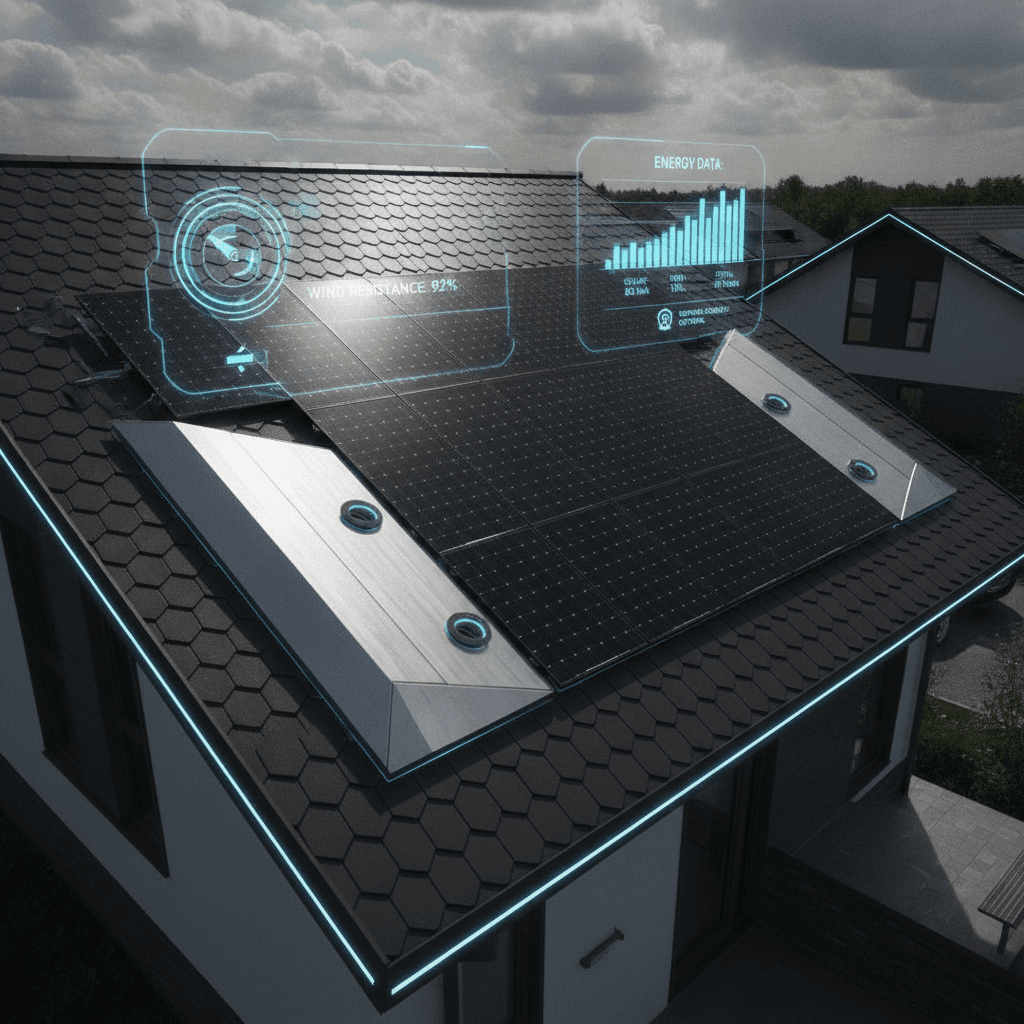
Keeping Your Lid On: Preparing Your Florida Roof for Hurricane Season
Down here in Florida, we know a thing or two about storms. Every year, as June rolls around, we all keep one eye on the tropics. But while folks are stocking up on water and batteries, too many property owners overlook the single most critical defense for their home or business: the roof. I'm Gus Kruger, and for years, our team at Krüger Disaster Recovery has seen firsthand the devastation a hurricane can wreak when a roof isn't ready. It's not just about patching a few shingles; it's about protecting your entire investment.
A strong, well-maintained roof is your property's first and most important shield against the intense winds, torrential rains, and flying debris that tropical storms and hurricanes bring. Think of it this way: if your roof fails, everything underneath it becomes vulnerable. Water intrusion, structural damage, mold – it's a cascading nightmare that can cost you far more than a simple repair or a proactive maintenance check. As we highlighted in our discussion about hurricane preparation, a little foresight goes a long way.
Understanding Common Hurricane Roof Damage
Before we dive into preparation, let's talk about what we're up against. When a hurricane hits Florida, it's not just the sheer wind force that causes trouble. Here's what we commonly see:
- Shingle Lift-Off: High winds can get under loose or improperly sealed shingles, tearing them off layer by layer. Once one goes, the rest often follow.
- Flashing Failure: The metal strips around chimneys, vents, and valleys are critical for directing water. If they're compromised, water seeps directly into your attic and walls.
- Debris Impact: Falling branches, patio furniture, even airborne construction materials can become missiles, puncturing roofs and gutters.
- Water Intrusion: Even if your roof structure holds, heavy, sustained rain can find its way through tiny gaps or damaged seals, leading to leaks and severe interior damage.
- Structural Compromise: In extreme cases, especially with older or poorly built roofs, the entire roof deck or truss system can fail.
The Pre-Season Pro-Check: Your First Line of Defense
The best time to prepare for a hurricane is before one is on the horizon. Don't wait until a storm is brewing; act now. Here's how to start:
1. Inspect What You Can (Safely)
From the ground, or with a pair of binoculars, take a good look at your roof. What do you see?
- Are there any visibly loose, cracked, or missing shingles?
- Is there debris, like leaves or branches, piled up, especially in valleys or gutters?
- Are your gutters clogged or pulling away from the fascia?
- Are there any rusty spots on flashing around vents or chimneys?
Even small issues can become major vulnerabilities in high winds. Water that can't drain properly will back up and find its way under shingles, weakening adhesives and creating entry points.
2. Call in the Professionals (That's Us!)
While a quick visual check is good, nothing beats a professional roof inspection. We've got the expertise and the safety equipment to get up there and examine every inch. We look for:
- The integrity of your entire roofing system, from the decking to the top layer.
- Any signs of hidden water damage or rot that could weaken your roof's structure.
- Proper sealing around all penetrations (vents, skylights, pipes).
- The condition of your flashing and drip edge.
- Compliance with current Florida Building Codes, especially concerning wind resistance. Many older homes might not meet today's standards for hurricane protection, as outlined by the Florida Building Commission.
This is also the time to get clear documentation – photos, videos, and a detailed report of your roof's current condition. This evidence is invaluable if you ever need to file an insurance claim after a storm. The National Hurricane Center (NHC) consistently emphasizes home preparedness, and your roof is ground zero.
Key Preparation Steps for Your Roof
1. Trim Those Trees
Look at any trees overhanging or close to your roof. Branches are a huge source of damage during hurricanes. A professional arborist can thin out heavy limbs and remove dead or weak branches that are likely to break off in high winds and damage your roof or property. This isn't just about your roof; it's about preventing dangerous projectiles from damaging your home or a neighbor's.
2. Clean Your Gutters and Downspouts
Clogged gutters can cause water to back up, seep under shingles, and even rot fascia boards. Ensure they're clear of leaves and debris so rainwater can flow freely away from your home. Proper drainage is crucial to prevent water from pooling on your roof and finding its way inside.
3. Secure or Remove Loose Items
Anything on your roof – satellite dishes, antennas, even loose tiles – needs to be secured or removed if possible. Around your property, patio furniture, trash cans, and garden tools can become dangerous projectiles that can damage your roof or exterior.
4. Reinforce Weak Spots (If Applicable)
If you have an older roof, or areas that have had previous repairs, they might be more vulnerable. During an inspection, we can identify these spots. Sometimes, this might involve adding extra fasteners to the roof deck, or reinforcing gable ends, a strategy supported by organizations like the Insurance Institute for Business & Home Safety (IBHS) for improving roof resilience.
5. Understand Your Insurance Policy
Before a storm hits, review your homeowners' insurance policy. Understand what your hurricane deductible is, what types of damage are covered, and what the claims process involves. Take photos and videos of your property (inside and out) before the storm. This pre-storm documentation is critical for a smooth claim process. We’ve seen hundreds of cases where good documentation made all the difference when dealing with adjusters.
6. Consider Wind Mitigation Upgrades
If your roof is nearing the end of its life, or you're considering a replacement, think about wind mitigation upgrades. This could include a secondary water barrier, stronger adhesives, or even investing in a metal roof or impact-resistant shingles designed to withstand higher wind speeds. Many of these upgrades can also qualify you for discounts on your homeowners' insurance, as FEMA often advises for strengthening homes against severe weather.
After the Storm: What to Do Next
Once the winds die down and it's safe to venture outside, resist the urge to immediately climb on your roof. Safety first, always. From the ground, take photos and videos of any visible damage. Document everything. Then, call a reputable, local contractor – like Krüger Disaster Recovery – before you even call your insurance company. We can assess the damage, provide emergency tarping to prevent further water intrusion, and give you an expert opinion that will be invaluable when you do speak with your insurance adjuster.
Navigating insurance claims can be tricky, especially after a major storm when adjusters are overwhelmed. We work closely with adjusters, providing detailed estimates and ensuring all damage is properly documented and accounted for, so you get the coverage you deserve for emergency roof repair or a full roof replacement if necessary.
Don't Wait, Be Prepared
Hurricane season in Florida is a fact of life, but roof damage doesn't have to be. Proactive preparation is the key to minimizing risk, protecting your property, and ensuring peace of mind. Let us help you get your roof hurricane-ready. We're here to answer your questions and provide the expert assessment your property needs.
Give Krüger Disaster Recovery Team a call today for a comprehensive, free roof inspection. Don't leave your most important asset to chance.

Written by
Gus Kruger
CEO at Krüger
Gus Kruger is the founder and CEO of Krüger Disaster Recovery Team, a Florida-based company specializing in emergency property protection, roofing, and fencing. Since 2016, Gus has built the company from a one-man roof tarp operation into a full-service team of 50+ professionals, serving over 30,000 properties across Florida and the Southeast U.S. A preferred vendor for major insurance carriers, BBB A+ rated, and licensed & insured, Gus leads Krüger with a hands-on approach rooted in fast response, honest work, and long-term property solutions.