
Gus Kruger’s Guide to the Atlantic Hurricane Season
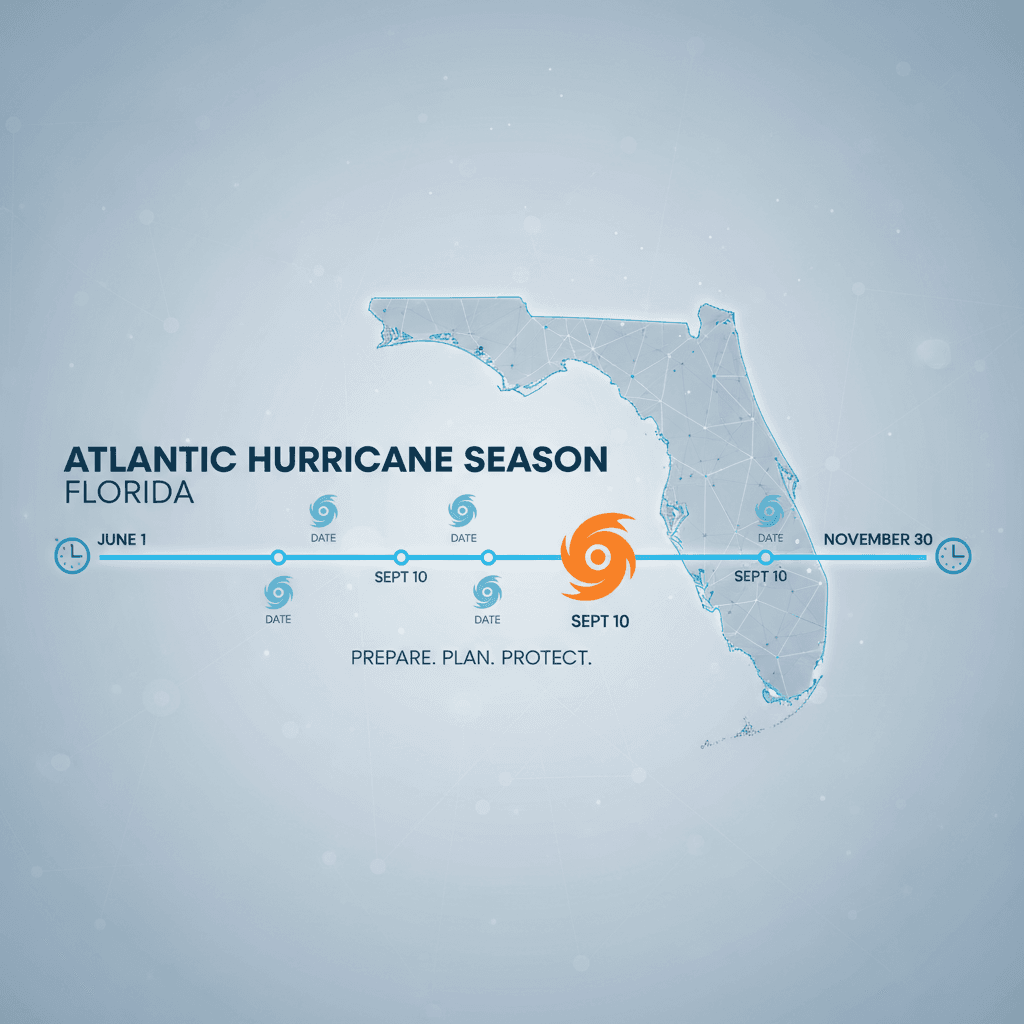
Down here in Florida, we live in paradise, but with that comes a reality check every year: hurricane season. It officially runs from June 1st all the way through November 30th, as the National Hurricane Center (NHC) reminds us annually. For six months, our eyes are often glued to the tropics, watching systems develop. As someone who’s been on countless roofs and inside homes after these storms hit, I can tell you that being prepared isn't just a suggestion – it’s a non-negotiable part of property ownership in the Sunshine State.
My team and I at Krüger Disaster Recovery have seen it all, from minor roof leaks after a tropical storm to catastrophic devastation from major hurricanes. What separates those who recover smoothly from those who face prolonged headaches? Often, it's the preparation made long before a storm even gets a name.
Understanding Florida’s Unique Challenges
Florida isn't just any coastal state. We're a peninsula, surrounded by warm waters that fuel these massive weather systems. Add to that our high humidity, which can turn a small leak into a major mold problem quickly, and you’ve got a recipe for complex post-storm recovery. Our building codes are some of the toughest in the nation, especially in coastal areas, a direct response to lessons learned from past hurricanes like Andrew in '92. While newer homes often meet these stringent standards, older properties might need extra attention to ensure they can withstand the winds and rains we inevitably face.
Before the Storm: Proactive Steps for Property Protection
Don't wait until a storm is bearing down on us to start thinking about protection. Now is the time to act. Here’s where to focus your energy:
1. Get a Professional Roof Inspection
Your roof is your first line of defense. A small, unnoticed issue – a loose shingle, compromised flashing, or an aging sealant – can become a major breach during a hurricane. We've seen hundreds of instances where what seemed like a minor problem turned into significant interior water damage. Before hurricane season officially kicks off, or as early as possible once it begins, get a professional to inspect your roof. They can identify vulnerabilities and recommend repairs that could save you thousands in the long run. This isn't just about shingles; it's about the entire roofing system, including gutters and soffits.
2. Review and Understand Your Insurance Policy
This is crucial. Many property owners don't truly understand their coverage until they need to file a claim, and that's the absolute worst time to learn about exclusions or high deductibles. Sit down with your insurance agent *before* hurricane season. Understand:
- Your Deductibles: Especially your hurricane deductible, which is often a percentage of your dwelling coverage, not a fixed dollar amount.
- Wind vs. Flood: Are you covered for both? Many standard homeowner policies exclude flood damage, requiring a separate National Flood Insurance Program (NFIP) policy.
- Replacement Cost vs. Actual Cash Value: This determines how much you'll get for damaged items.
- Living Expenses: Does your policy cover additional living expenses if you're displaced?
Knowing this information upfront empowers you and helps prevent surprises during a stressful time.
3. Property Maintenance & Securing the Perimeter
- Trees and Landscaping: Trim dead or weak branches that could become projectiles. Consider removing trees that pose a significant threat to your home.
- Gutters and Drains: Clear them out. Clogged gutters can lead to water pooling around your foundation or backing up under your eaves.
- Outdoor Items: Plan ahead to secure or bring inside anything that can become airborne – patio furniture, grills, garbage cans, decor.
- Window and Door Protection: If you don't have impact-resistant windows, invest in plywood cut to size or hurricane shutters. Practice installing them beforehand.
4. Create a Disaster Kit and Document Your Property
Beyond the physical property, you need a plan for your family. A disaster kit should include water, non-perishable food, batteries, a first-aid kit, and important documents (insurance policies, identification, property deeds). Also, walk through your home *before* any damage occurs and take photos or videos of every room, especially high-value items. This documentation is invaluable for insurance claims and proving the condition of your property prior to the storm.
After the Storm: Navigating the Recovery Process
When the storm passes, your first priority is safety. Once it's safe to do so, assess the damage. This is where documentation is key. Don't start tearing things out or making major repairs without documenting the damage thoroughly with photos and videos.
This is also where calling in a trusted local expert like Krüger Disaster Recovery Team can make a world of difference. We can help you:
- Initial Damage Assessment: Provide an objective evaluation of the damage to your property.
- Work with Your Adjuster: We speak the language of insurance claims. We know what they look for and what documentation is needed to support your claim fully. We make sure nothing is overlooked.
- Prevent Further Damage: We can help with temporary repairs like tarping your roof to prevent secondary damage while you wait for the insurance process to unfold.
Unfortunately, after a storm, Florida can become a magnet for unscrupulous contractors. Be wary of door-to-door solicitations. Always choose a local company with a solid reputation, proper licensing, and insurance. Check their references and don't feel pressured into signing anything immediately.
Building Long-Term Resilience
Hurricane season is a yearly event, not a one-off surprise. The steps you take now contribute to the long-term resilience of your property and your peace of mind. By being proactive with inspections, understanding your insurance, and having a plan, you're not just protecting your house; you're protecting your investment and your family's future.
Don't let the hurricane season catch you off guard. Take action now. If you have questions about your property's readiness or need an inspection, give us a call. We're here to help fellow Floridians prepare and recover.

Written by
Gus Kruger
CEO at Krüger
Gus Kruger is the founder and CEO of Krüger Disaster Recovery Team, a Florida-based company specializing in emergency property protection, roofing, and fencing. Since 2016, Gus has built the company from a one-man roof tarp operation into a full-service team of 50+ professionals, serving over 30,000 properties across Florida and the Southeast U.S. A preferred vendor for major insurance carriers, BBB A+ rated, and licensed & insured, Gus leads Krüger with a hands-on approach rooted in fast response, honest work, and long-term property solutions.