
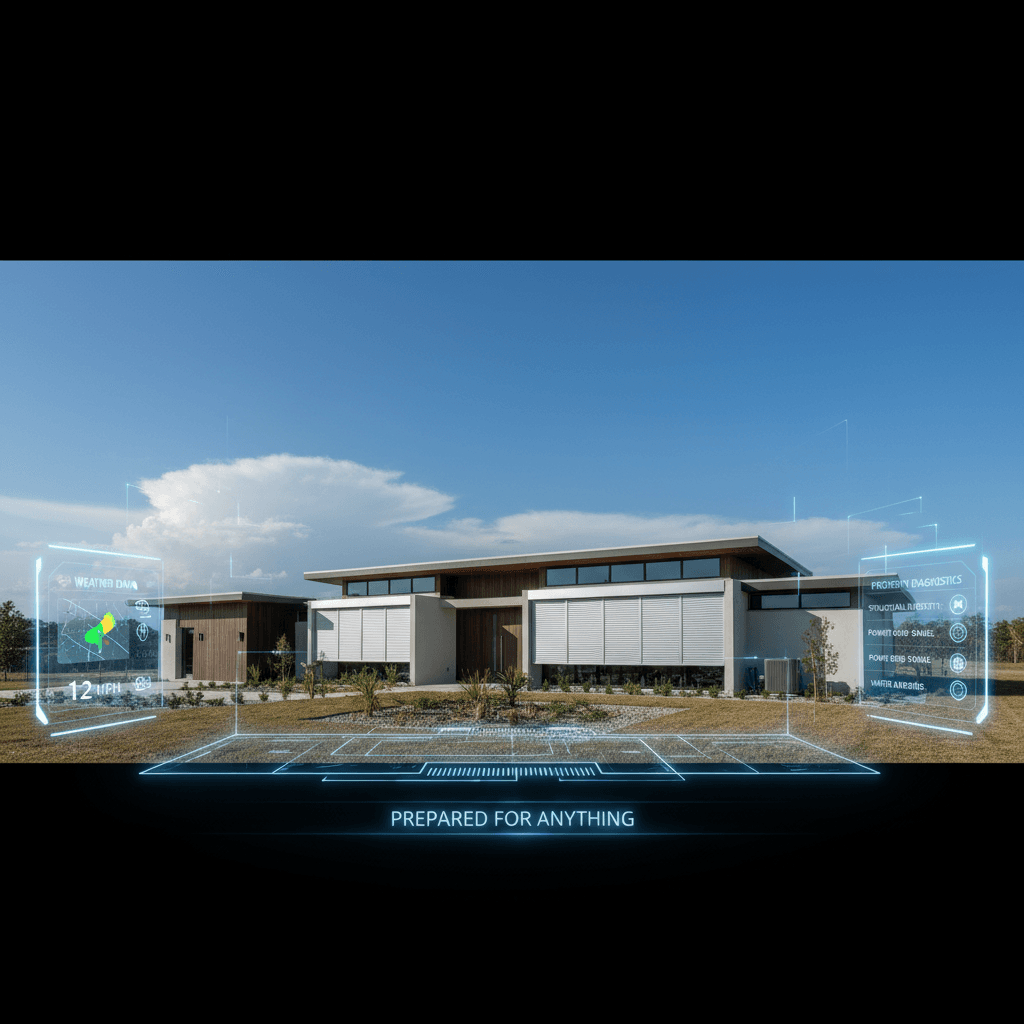
Navigating Florida's Hurricane Season: Your Guide to Preparedness and Recovery
Here in Florida, we know a thing or two about hurricanes. The moment June 1st rolls around, a certain feeling settles in – a mix of anticipation and vigilance. That date marks the official start of the Atlantic hurricane season, a six-month stretch that doesn't let up until November 30th, as clearly outlined by the National Hurricane Center (NHC). For us property owners, this isn't just a calendar event; it's a critical reminder to prepare, protect, and understand the unique challenges our state faces every single year.
Understanding the Seasonal Threat
Living in the Sunshine State means living with the reality of tropical storms and hurricanes. It's not just about the big, named storms you see on the news; even smaller systems can bring torrential rain, damaging winds, and significant flooding that can cause serious havoc for your home or business. We've seen it hundreds of times – a storm that seems minor on the radar can still leave a trail of roof damage, water intrusion, and structural issues if your property isn't ready.
The truth is, while the season officially starts in June, preparedness is a year-round job. However, the period from June to November demands our heightened attention. It's when the ocean waters are warmest, creating the perfect conditions for these powerful weather systems to develop and strengthen.
Before the Storm: Your Proactive Defense Strategy
Protecting your property isn't about luck; it's about smart, proactive work. Think of it like maintaining your car – you don't wait for a breakdown to change the oil. For your home or business, the stakes are even higher.
1. Get Your Roof Inspected – Seriously.
Your roof is your property's first and most critical line of defense against Florida's weather. Wind, rain, and hail relentlessly assault it. Before hurricane season really kicks into gear, a professional roof inspection is non-negotiable. We're looking for loose shingles, cracked tiles, worn-out flashing, or any weak points that a strong gust of wind or heavy downpour could exploit. In our experience, even minor issues can turn into major leaks during a hurricane, leading to extensive interior damage that’s far more costly to fix than a preventative repair. A solid roof can literally save you thousands in potential damage and make the insurance claim process much smoother.
2. Secure Your Property's Perimeter
Beyond the roof, consider everything around your property. Trim trees, especially branches overhanging your home or power lines. Loose debris – patio furniture, garbage cans, even small toys – can become dangerous projectiles in high winds. Make sure your windows and doors are robust; consider hurricane shutters or impact-resistant glass if you don't have them. This isn't just about property damage; it's about safety for everyone inside.
3. Review Your Insurance Policy – Before You Need It
This is where many property owners get caught off guard. Don't wait until a storm is bearing down on us to dig out your insurance papers. Understand your coverage: what’s covered, what isn’t, your deductibles (especially hurricane deductibles which are often a percentage of your dwelling coverage), and any exclusions. Know who to call and what documentation you'll need if you have to file a claim. If you're unsure, call your agent now and ask questions. It’s better to be informed than surprised after a disaster.
4. Develop a Family Emergency Plan
Every Florida household should have a detailed emergency plan. Know your evacuation routes, establish a communication plan with family members, and assemble a disaster kit with water, non-perishable food, flashlights, batteries, and important documents. Resources like FloridaDisaster.org offer excellent guidelines for creating comprehensive plans.
After the Storm: Recovery and Rebuilding
When the storm passes, and it's safe to venture out, the real work of recovery begins. This phase is critical, and making the right moves can significantly impact your ability to recover fully.
1. Prioritize Safety and Initial Assessment
First and foremost, ensure your safety. Look for downed power lines, gas leaks, or structural instability before entering your property. Once safe, perform an initial visual assessment. Don’t climb on your roof yourself – leave that to professionals. Look for obvious signs of damage: missing shingles, broken windows, water intrusion, or structural shifts.
2. Document Everything for Your Claim
This cannot be stressed enough: document everything. Take extensive photos and videos of all damage before any repairs begin. Date them. This visual evidence is invaluable when filing an insurance claim and proving the extent of the damage. Don't throw anything away until your adjuster has seen it or given you permission. Keep detailed records of any temporary repairs you make to prevent further damage, like tarping a leaky roof.
3. Navigating the Insurance Claim Process
Contact your insurance company as soon as safely possible. Be prepared to provide them with the documentation you've gathered. An insurance adjuster will be assigned to inspect your property. Remember, the adjuster works for the insurance company. While they are professionals, their primary goal is to assess the damage from their company’s perspective. This is where having an experienced contractor on your side, like Krüger Disaster Recovery Team, can make a significant difference. We work for you, ensuring all damage is identified and properly documented, helping you navigate the complexities of the claim process to get what you're entitled to under your policy.
4. Understanding Florida Building Codes
Post-hurricane repairs in Florida aren't just about fixing what's broken; they're about rebuilding stronger. Our state has some of the most stringent building codes in the nation, especially for wind mitigation, a direct result of lessons learned from past hurricanes like Andrew. Any significant repair or replacement, particularly for your roof, must adhere to current Florida Building Codes. Choosing a reputable, licensed local contractor who understands these codes is crucial. This not only ensures your property is more resilient for future storms but also impacts your ability to secure future insurance coverage and sometimes even reduces your premiums through specific mitigation credits.
5. Don't Forget Secondary Damage: Water and Mold
In Florida's humid climate, water intrusion quickly leads to mold growth. Even a small leak can create a significant mold problem within 24-48 hours. After any water damage, immediate drying and remediation are essential. We've seen countless cases where the initial water damage was minor, but the secondary mold issue became a massive, costly problem because it wasn't addressed quickly and correctly.
Ready for Whatever the Season Brings
The Atlantic hurricane season is a fact of life here in Florida. But it doesn't have to be a source of constant anxiety. By being proactive, understanding your property's vulnerabilities, and having a plan, you can face it with confidence. From those first tropical depressions to the late-season surprises, being prepared is your best defense.
Don't wait until a storm is on the horizon. If you have questions about your property's readiness or suspect you might have vulnerabilities, let us help. A thorough inspection now can save you immense stress and expense later.
When in doubt, get it checked out. Give Krüger Disaster Recovery Team a call for a comprehensive assessment of your property's hurricane readiness. We’re here to protect your investment.

Written by
Gus Kruger
CEO at Krüger
Gus Kruger is the founder and CEO of Krüger Disaster Recovery Team, a Florida-based company specializing in emergency property protection, roofing, and fencing. Since 2016, Gus has built the company from a one-man roof tarp operation into a full-service team of 50+ professionals, serving over 30,000 properties across Florida and the Southeast U.S. A preferred vendor for major insurance carriers, BBB A+ rated, and licensed & insured, Gus leads Krüger with a hands-on approach rooted in fast response, honest work, and long-term property solutions.