
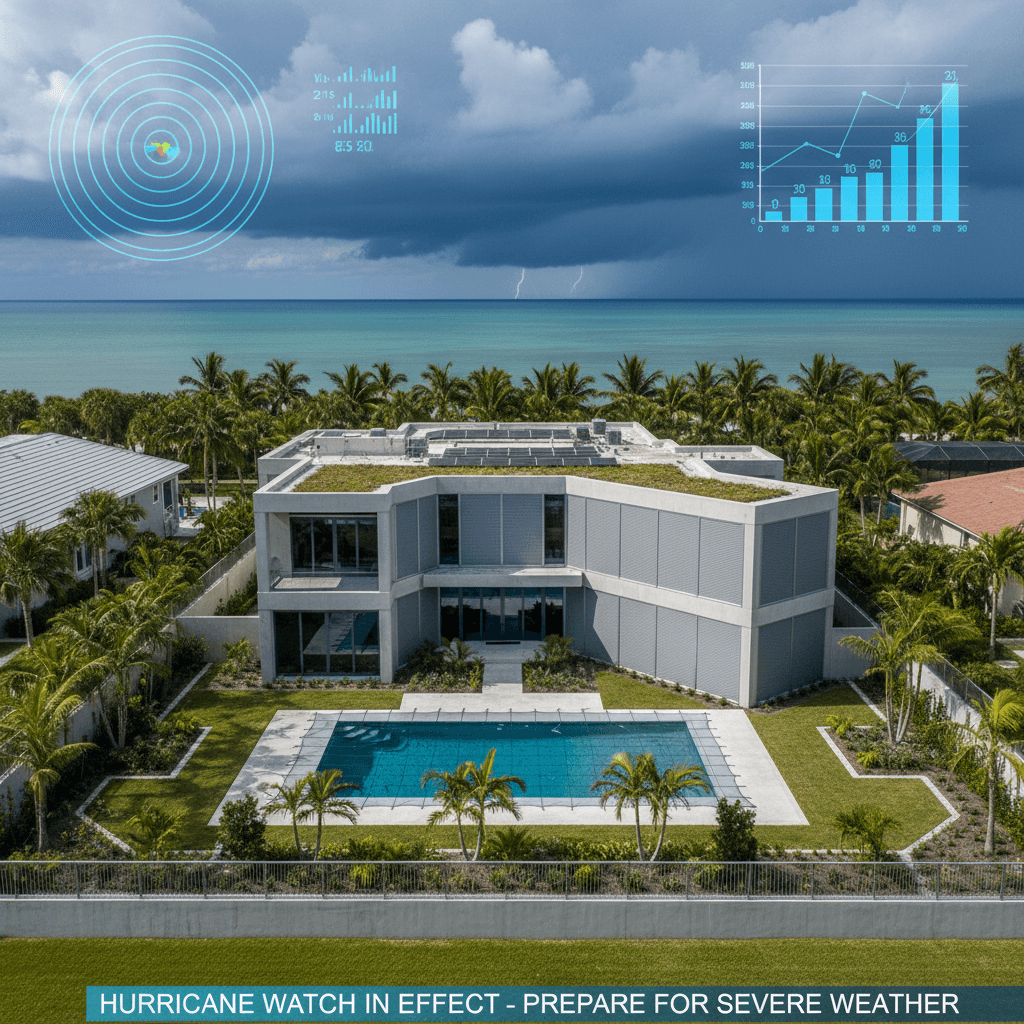
When the Wind Whispers: Understanding Florida's Hurricane Season
Alright folks, it's that time of year again. June 1st marks the official start of the Atlantic hurricane season, running all the way through November 30th. Now, for us down here in Florida, that's not just a date on a calendar; it's a six-month reminder to stay sharp and protect what you've worked so hard for. The National Hurricane Center (NHC) tracks these systems diligently, providing crucial information, but knowing the season dates is just the first step. The real work is in preparing your property and understanding your options before a storm even forms.
Over at Krüger Disaster Recovery Team, we've seen the aftermath of countless storms – from tropical depressions that bring weeks of relentless rain to the full-blown hurricanes that can turn your world upside down in a single day. The difference between a minor headache and a major disaster often comes down to preparation and knowing what to do when the unexpected hits. Let's talk about getting ready.
Pre-Season Check-Up: Your Property's First Line of Defense
Before any named storm even thinks about making landfall, you should be proactive. Think of it as a physical for your home or business. Early preparation can save you a ton of stress, time, and money down the line.
1. Inspect Your Roof – It's Your Shield
Your roof is your property's primary defense against the elements. A small issue today can become a catastrophic leak in hurricane-force winds. We always recommend a professional inspection well before June 1st. Look for:
- Missing or loose shingles/tiles: These are easy targets for high winds.
- Cracked or worn sealants: Especially around vents, skylights, and chimneys. Water finds the path of least resistance.
- Damaged flashing: Crucial for waterproofing valleys and edges.
- Gutters and downspouts: Ensure they're clear of debris and securely attached. Clogged gutters can lead to water backing up under your eaves and into your attic.
Remember, Florida's building codes are constantly updated to make structures more resilient to hurricanes. Making sure your roof meets current standards, or is at least in top-notch condition, is non-negotiable.
2. Secure Your Openings: Windows and Doors
Windows and doors are vulnerable points. If you don't have impact-resistant windows, make sure your hurricane shutters are in good working order and you know how to deploy them quickly. Check the locks and frames on all your doors and windows. Any weak points can allow wind pressure to build inside, potentially leading to roof lift-off.
3. Landscape for Resilience
Trim any dead or weak branches from trees around your property. These can become dangerous projectiles in strong winds. Consider removing any trees that pose a significant risk to your home or neighboring properties. Secure or store away outdoor furniture, trash cans, grills, and anything else that isn't tied down. What seems harmless in calm weather becomes a dangerous missile in a storm.
Your Insurance Policy: Know What You're Covered For
This is where many property owners find themselves in a bind after a storm. Don't wait until a hurricane is bearing down to dust off your policy. Review it now. Understand your:
- Deductibles: Especially your hurricane deductible, which is often a percentage of your dwelling coverage, not a flat dollar amount.
- Coverage limits: Is your coverage sufficient to rebuild at today's costs? Construction costs in Florida have risen significantly.
- Specific exclusions: Does your policy cover wind damage, flood damage, or both? In Florida, flood insurance is often separate and is crucial for many properties, even if you're not in a designated flood zone (FEMA's National Flood Insurance Program is a good resource).
Take photos and videos of your property, inside and out, before hurricane season begins. Documenting the current condition of your home or business is invaluable if you ever need to file a claim. This pre-damage evidence helps tremendously when working with adjusters.
When the Storm Hits: Safety First
While our focus is property, your safety, and the safety of your loved ones, always comes first. Have an emergency kit ready, a communication plan, and know your evacuation routes. Follow directives from local authorities. A well-prepared emergency plan is just as vital as securing your property.
After the Wind Dies Down: Action Steps for Property Owners
Once the storm has passed and it's safe to assess your property, here's what you need to do:
1. Safety and Initial Assessment
Prioritize safety. Watch out for downed power lines, gas leaks, and weakened structures. Once safe, do a preliminary assessment of your property. Look for obvious damage like roof leaks, structural damage, broken windows, or significant water intrusion. Take more photos and videos of all damage before you do anything else.
2. Temporary Repairs and Mitigation
Take reasonable steps to prevent further damage. This might mean tarping a damaged roof, boarding up broken windows, or removing standing water to prevent mold growth. Keep receipts for all materials and services for these emergency repairs. In Florida's humidity, water intrusion can quickly lead to extensive mold issues, so acting fast is critical.
3. Contact Your Insurance Company
Notify your insurance company as soon as possible. Be prepared to provide them with details about the damage. This is where your pre-storm documentation comes into play. The more evidence you have, the smoother the process.
4. Navigating the Claims Process
Dealing with insurance adjusters can be complex. They represent the insurance company, and their job is to assess the damage from that perspective. We've seen this hundreds of times: claims get undervalued, or certain damages are missed. This is why having an experienced team on your side can make all the difference.
At Krüger Disaster Recovery Team, we work directly with your insurance company, acting as your advocate. We ensure all damages are properly documented and accounted for, from the visible to the hidden, which might include structural issues, water damage inside walls, or compromised building envelopes that aren't immediately obvious. We speak their language and ensure your claim is handled fairly and completely, helping you get every dollar you deserve to restore your property correctly.
5. Beware of Scammers
Unfortunately, after a storm, Florida sees a rise in unscrupulous contractors. Be wary of anyone who shows up uninvited, pressures you to sign contracts on the spot, or asks for large upfront payments. Always verify licenses, check references, and get multiple detailed estimates. Your property is a significant investment; don't let storm chasers take advantage of your vulnerable situation.
Building for Tomorrow's Storms
Hurricane season is a reminder that living in paradise comes with its challenges. By taking proactive steps, understanding your insurance, and knowing who to call if disaster strikes, you empower yourself to protect your property and investment. We believe in building back stronger and smarter, using quality materials and expertise that stand up to Florida's unique climate.
If you're unsure about your property's readiness or have questions about post-storm recovery, don't wait. A quick professional inspection now can save you a world of hurt later. Call us; we're always here to help.

Written by
Gus Kruger
CEO at Krüger
Gus Kruger is the founder and CEO of Krüger Disaster Recovery Team, a Florida-based company specializing in emergency property protection, roofing, and fencing. Since 2016, Gus has built the company from a one-man roof tarp operation into a full-service team of 50+ professionals, serving over 30,000 properties across Florida and the Southeast U.S. A preferred vendor for major insurance carriers, BBB A+ rated, and licensed & insured, Gus leads Krüger with a hands-on approach rooted in fast response, honest work, and long-term property solutions.