
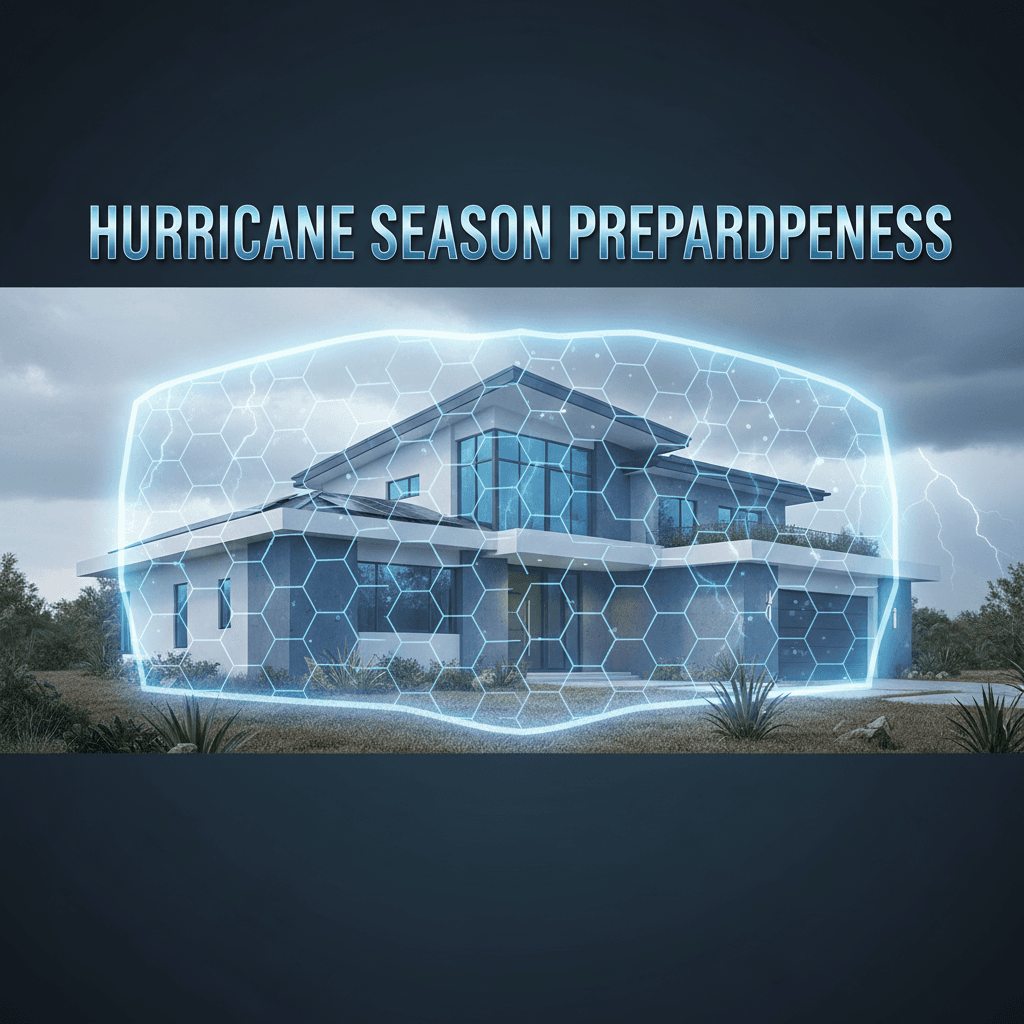
Navigating Florida's Hurricane Season: My Approach to Protecting Your Property
Down here in Florida, we live in paradise, but with that comes the annual rhythm of the Atlantic hurricane season. For us old-timers in the roofing and recovery business, June 1st through November 30th isn't just a stretch on the calendar; it's a period that demands respect and diligent preparation. As the National Hurricane Center clearly states, these are the official dates when we need to be on high alert. I’ve seen firsthand, time and again, how a little bit of proactive work can save folks a whole lot of headache and heartache when a big storm rolls through.
Why These Dates Matter to Every Florida Property Owner
It's not about fear-mongering; it's about being smart. Understanding that hurricane season spans half the year, you’ve got to treat your property like the significant investment it is. We're not just talking about Category 5 monsters; even a strong tropical storm can bring devastating winds, torrential rain, and serious flooding that compromises your roof, foundation, and everything in between. In our experience, many property owners tend to panic only when a storm is bearing down, but the real work—the most effective work—happens long before the storm names even start appearing.
Pre-Season Prep: The Fundamentals of Property Resilience
Here’s where you roll up your sleeves and get down to brass tacks. This isn't just about battening down the hatches; it's about building a robust defense for your home or business.
1. Inspect Your Roof – Your First Line of Defense
Your roof is your property's shield. Before the season kicks into full gear, get a professional inspection. We're talking about looking for loose or missing shingles, cracks in tiles, worn-out flashing around chimneys and vents, and any signs of water intrusion in your attic. Florida's sun and humidity are brutal on roofing materials, and even small weaknesses can turn into major leaks during a hurricane. We offer free, no-obligation inspections because we believe knowing the condition of your roof is the first step to peace of mind.
2. Secure Your Property's Perimeter
- Trees and Landscaping: Trim back any tree branches that could fall on your roof or power lines. Strong winds turn loose branches into dangerous projectiles.
- Gutters and Drainage: Ensure your gutters are clean and free of debris. Clogged gutters can lead to water pooling around your foundation or overflowing into your eaves, causing interior damage. Good drainage is key to preventing water intrusion and potential mold issues down the line.
- Loose Items: Stow away or secure anything that can become airborne – patio furniture, grills, garbage cans, decorative items.
3. Review Your Insurance Policy – Before You Need It
This is critical. Don't wait until after a storm to understand your coverage. Pull out your policy documents and review them carefully. Pay attention to:
- Deductibles: Especially hurricane deductibles, which are often a percentage of your home's insured value, not a fixed dollar amount.
- Flood Insurance: Standard homeowner's policies do not cover flood damage. If you're in a flood-prone area (and let's be honest, much of Florida is!), consider a separate flood insurance policy through the National Flood Insurance Program.
- Coverage Limits: Ensure your coverage is adequate for rebuilding costs.
- Documentation: Take photos or videos of your home's interior and exterior, and valuable possessions. This creates a baseline for any potential claims.
Understanding these details now can save you significant stress and financial burden later when working with adjusters.
4. Develop a Family Emergency Plan
Know your evacuation routes, have an emergency kit with essentials (water, non-perishable food, first aid, medications, important documents), and establish communication plans for your family. Safety always comes first.
When a Storm Hits: What to Do and What to Expect
Once a storm is on its way, it’s too late for major repairs. Focus on your family’s safety. After the storm passes, and only when it’s safe to do so, you can begin to assess the damage. We've seen hundreds of damaged properties after hurricanes like Ian, Michael, and Irma, and the initial steps you take are crucial.
1. Safety First
Avoid downed power lines, standing water, and structurally compromised areas. If your home has significant damage, do not re-enter until authorities declare it safe.
2. Document Everything
This cannot be stressed enough. Take copious photos and videos of all damage—inside and out—before any cleanup or temporary repairs. The more documentation you have, the smoother your insurance claim process will be. Don't throw anything away until your adjuster has seen it or given you permission.
3. Prevent Further Damage (Temporary Repairs)
If your roof is compromised, it’s vital to tarp it quickly to prevent further water intrusion, which can lead to mold and more extensive structural issues. Keep receipts for any materials you buy for these temporary fixes. We often help clients with emergency tarping to mitigate damage immediately.
4. Contact Your Insurance Company
Notify your insurer as soon as possible. Be patient; after a major storm, they will be overwhelmed with claims. This is where having a trusted partner like Krüger Disaster Recovery Team can make a real difference. We work directly with insurance adjusters, helping to ensure that all damages are properly documented and that you receive a fair and comprehensive settlement to restore your property.
The Krüger Difference: Your Local Florida Experts
In the aftermath of a storm, Florida often sees an influx of 'storm chasers' – out-of-state contractors who arrive quickly, make big promises, and often disappear just as fast, leaving homeowners with shoddy work and unresolved insurance claims. We are Florida locals. We’ve built our reputation on trust, quality workmanship, and standing by our clients through the entire recovery process. From detailed damage assessments to expert repairs that meet Florida's stringent building codes, we’re here to ensure your property is not just repaired, but restored to its former strength, or even better.
The Atlantic hurricane season is a fact of life in Florida. It doesn't have to be a source of constant dread. With smart preparation and the right team on your side, you can face it with confidence, knowing your property is protected. Don't wait until a named storm is heading our way to think about your roof. Be proactive. Be prepared.
Ready to strengthen your property before the next big one? Give us a call today for a free roof inspection and let’s get you storm-ready.

Written by
Gus Kruger
CEO at Krüger
Gus Kruger is the founder and CEO of Krüger Disaster Recovery Team, a Florida-based company specializing in emergency property protection, roofing, and fencing. Since 2016, Gus has built the company from a one-man roof tarp operation into a full-service team of 50+ professionals, serving over 30,000 properties across Florida and the Southeast U.S. A preferred vendor for major insurance carriers, BBB A+ rated, and licensed & insured, Gus leads Krüger with a hands-on approach rooted in fast response, honest work, and long-term property solutions.