
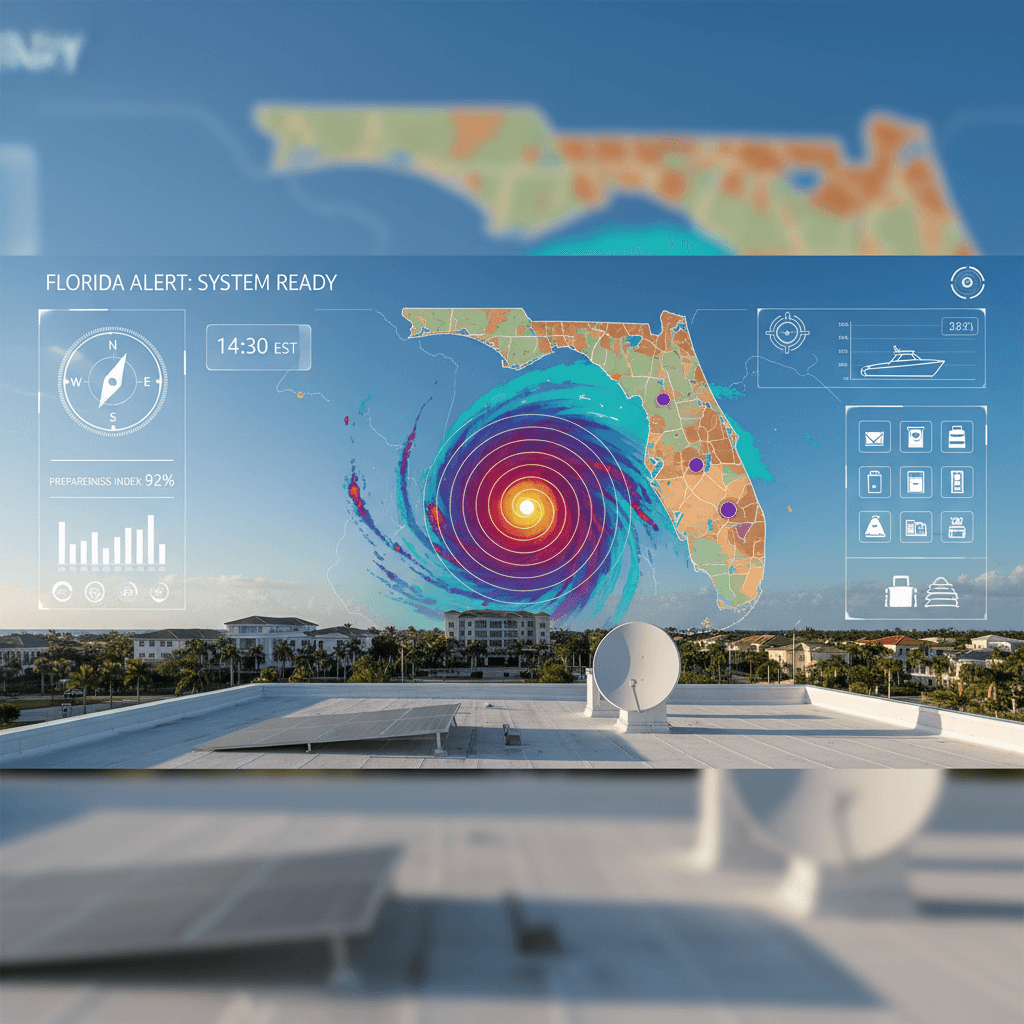
Florida Hurricane Season: It's Not Just a Date on the Calendar
Here in Florida, we live in paradise, but that comes with its own set of challenges. And every year, like clockwork, June 1st rolls around, marking the official start of hurricane season. For us at Krüger Disaster Recovery Team, that date isn't just a formality; it's a stark reminder that preparation isn't a suggestion, it's a necessity. We've seen hundreds of homes, families, and businesses caught off guard when a tropical storm or hurricane decides to pay an unwelcome visit.
You might be thinking, "Gus, it's just a few months, I'll deal with it when it comes." But that's exactly the mindset that leads to bigger headaches, more expensive repairs, and a whole lot of stress when the skies turn gray. Waiting until a storm is barreling towards the coast means price gouging, scarcity of supplies, and a mad scramble that often leaves folks vulnerable. My advice? Get ahead of it, plain and simple.
Why Florida Homeowners Can't Afford to Wait
Florida's unique geography makes us a bullseye for tropical systems. From the Panhandle down to the Keys, we're exposed to storms brewing in the Atlantic, Caribbean, and the Gulf of Mexico. The intensity and frequency of these storms seem to be on the rise, and it’s not just the big named hurricanes that cause damage. A strong tropical storm can bring devastating winds and torrential rain, especially with Florida's humidity, which can amplify moisture intrusion issues once a storm passes.
We've helped countless property owners pick up the pieces after these events. The biggest difference between a swift recovery and a prolonged nightmare often comes down to proactive preparation. Don't let your home become another statistic of avoidable damage.
Your Property's First Line of Defense: The Roof and Structure
When a hurricane hits, your roof is your primary shield. It's designed to take a beating, but even the best roofs have their limits, especially if they haven't been maintained or inspected recently. High winds can lift shingles, create openings, and allow water to seep into your attic, leading to devastating interior damage and mold growth.
- Roof Inspection: Before hurricane season ramps up, get a professional roof inspection. We'll identify loose shingles, weak spots, or areas of wear that could fail under pressure. Fixing these small issues now can prevent a complete roof replacement later.
- Florida Building Codes: Our state has some of the toughest building codes in the nation for a reason. Ensure any past repairs or existing structures meet current Florida Building Code standards, particularly for wind resistance. A well-built or recently upgraded roof according to these codes stands a much better chance.
- Windows and Doors: These are common entry points for wind and water. If you don't have impact-resistant windows, make sure your shutters are functional and easily deployable. Secure all exterior doors, including garage doors, which are often overlooked but can be a critical weak point.
- Landscaping: Trees and loose outdoor items become projectiles in high winds. Trim dead or weak branches that could fall on your home or power lines. Secure anything that isn't bolted down – patio furniture, grills, trash cans – or bring them inside.
Navigating the Insurance Maze: Your Financial Shield
Preparation isn't just about plywood and batteries; it's about paperwork too. Your insurance policy is your financial safety net, but only if you understand it before a disaster strikes. We've seen firsthand how confusing this can be, and how adjusters sometimes try to minimize claims. Knowing your policy inside and out can save you thousands and countless headaches.
- Review Your Policy Annually: Don't wait for a storm to read your policy. Understand your coverage limits, deductibles (especially hurricane deductibles, which are often a percentage of your dwelling coverage), and what's excluded. If something isn't clear, call your agent. Better to ask now than after your home is damaged.
- Flood Insurance is Different: This is crucial in Florida. Your standard homeowner's policy generally does NOT cover flood damage. Most areas of Florida are susceptible to flooding, even if you're not in a designated flood zone. Consider coverage through the National Flood Insurance Program (NFIP) or a private insurer.
- Document Everything: Before the storm, take photos and videos of your home's interior and exterior. Document the condition of your roof, walls, floors, and valuable possessions. This provides undeniable proof of pre-storm condition, which is invaluable if you need to file a claim. Store these documents and photos in a secure, off-site location or cloud storage.
- Understand the Claims Process: If you do suffer damage, act quickly but methodically. Contact your insurance company immediately. When working with adjusters, remember they represent the insurance company's interests. We at Krüger Disaster Recovery Team work with adjusters daily, helping property owners navigate this complex process and ensuring they get a fair assessment and the full compensation they deserve for their damages.
Your Family's Hurricane Plan: More Than Just a Kit
Beyond your property, your family's safety is paramount. The Florida Division of Emergency Management offers excellent resources, including comprehensive guides on building a family disaster plan and emergency kit.
- Emergency Kit: Stock up on water (one gallon per person per day for several days), non-perishable food, medications, a first-aid kit, flashlights, extra batteries, a weather radio, and any special items for infants or pets. Don't forget important documents like insurance policies, IDs, and medical records, stored in a waterproof bag.
- Communication Plan: Designate an out-of-state contact person. In a widespread outage, local phone lines may be jammed, but long-distance calls might go through. Ensure everyone knows meeting points if you get separated.
- Evacuation Routes: Know your zone and multiple evacuation routes. If an evacuation order is issued, don't hesitate. Roads can become gridlocked quickly.
Don't Wait for the Storm to Decide Your Fate
Hurricane season in Florida is a marathon, not a sprint. From June 1st to November 30th, we need to be vigilant. The peace of mind that comes from knowing you've done everything you can to protect your property and loved ones is invaluable.
We’ve been through it all with Florida homeowners, and our experience shows that proactive steps make all the difference. If you're unsure about your roof's readiness, or just need some honest advice on preparing your property for the upcoming season, give Krüger Disaster Recovery Team a call for a free inspection. We’re here to help you weather any storm.

Written by
Gus Kruger
CEO at Krüger
Gus Kruger is the founder and CEO of Krüger Disaster Recovery Team, a Florida-based company specializing in emergency property protection, roofing, and fencing. Since 2016, Gus has built the company from a one-man roof tarp operation into a full-service team of 50+ professionals, serving over 30,000 properties across Florida and the Southeast U.S. A preferred vendor for major insurance carriers, BBB A+ rated, and licensed & insured, Gus leads Krüger with a hands-on approach rooted in fast response, honest work, and long-term property solutions.