
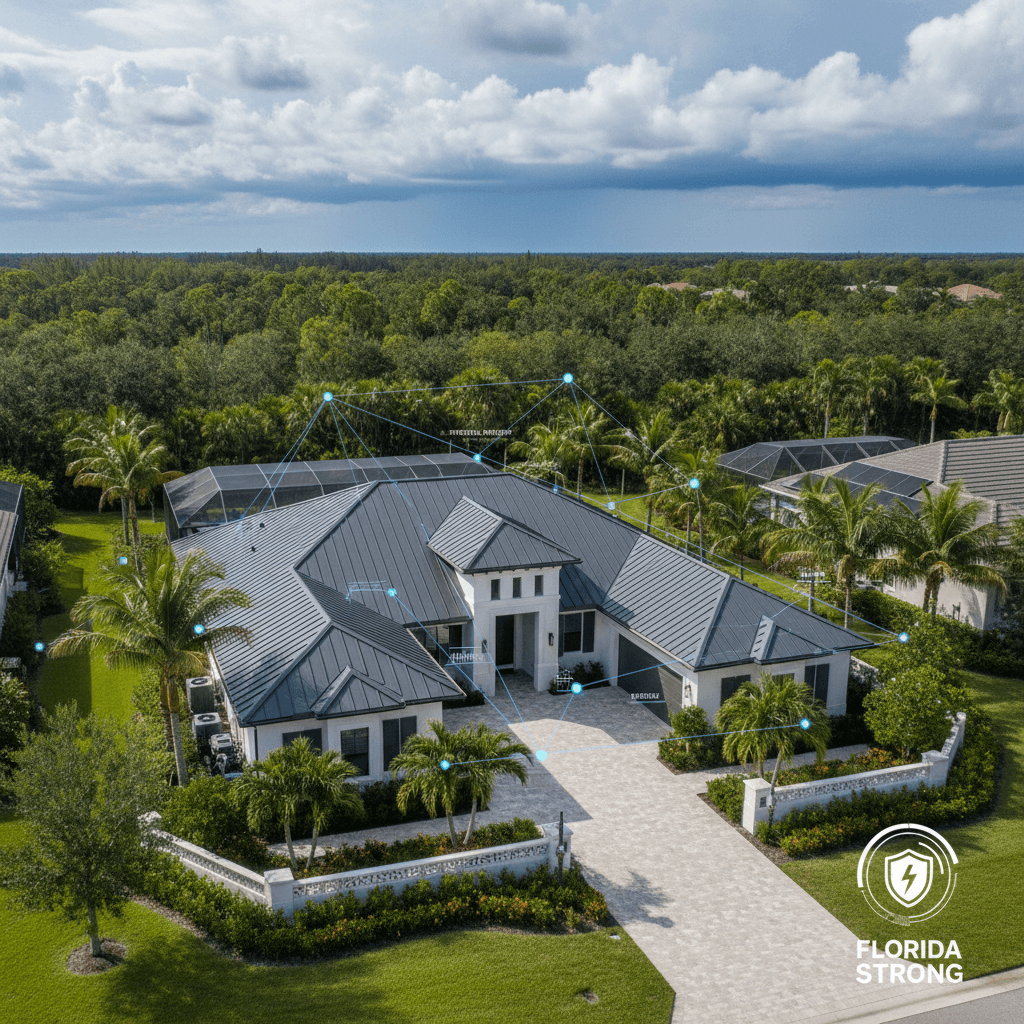
Understanding Florida's Hurricane Season: June 1st to November 30th
Down here in Florida, we live by a different calendar for half the year. While folks up north might be thinking about summer vacations and falling leaves, we’re keeping a close eye on the tropics. The Atlantic hurricane season officially kicks off on June 1st and runs all the way through November 30th. That’s a full six months, and as the National Hurricane Center (NHC) reminds us, it’s a critical period for preparedness.
At Krüger Disaster Recovery Team, we’ve seen firsthand what these seasons can bring. From the early tropical depressions to the late-season surprises, living in Florida means understanding the risks and taking proactive steps. We started this business on the backbone of hard work and real results, helping property owners navigate the chaos that storms leave behind. My aim isn't to scare anyone, but to empower you with the knowledge to protect what you've worked so hard for.
What Those Six Months Really Mean for Your Property
For us Floridians, the hurricane season isn't just a date on the calendar; it's a call to action. It means paying attention to weather forecasts, understanding evacuation zones, and most importantly, making sure your property is as resilient as it can be. We're not just talking about Category 5 monsters; even a strong tropical storm can bring damaging winds, torrential rain, and significant flooding that can compromise your roof, foundation, and interior.
Humidity is also a constant challenge here. After a storm, even if your roof seems intact, any small breach can allow moisture in. With our tropical climate, that moisture quickly becomes mold, causing secondary damage that can be far more insidious and costly than the initial storm damage if not addressed promptly. We've seen homes that looked fine on the outside, only to find extensive moisture intrusion hidden in the attic or walls weeks later.
Common Hurricane Damage We See in Florida
When a hurricane or tropical storm rolls through, the damage we typically encounter is varied, but certain issues pop up again and again:
- Roof Damage: This is often the most critical. High winds can lift shingles, tear off sections of roofing, or cause entire roof structures to fail. Even a few missing shingles can lead to significant water intrusion. Florida's stringent building codes (especially post-Andrew) aim to make roofs tougher, but no roof is truly hurricane-proof against every scenario.
- Water Intrusion: Beyond direct roof leaks, water can seep in through windows, doors, and even compromised siding. Storm surge and heavy rainfall can also lead to widespread flooding, impacting everything from flooring to electrical systems.
- Debris Damage: Falling trees, broken branches, and wind-borne objects can strike homes, causing structural damage, shattered windows, and punctured roofs.
- Structural Compromises: In severe cases, extreme winds can compromise the integrity of walls, foundations, or support beams, making the structure unsafe.
Before the Storm Hits: Preparedness is Your Best Defense
The single most important piece of advice I can give you is to prepare *before* a storm is even on the horizon. Don't wait until the last minute when hardware stores are empty and contractors are swamped. Here's what we recommend:
- Get a Professional Roof Inspection: We can't stress this enough. Before hurricane season really gets going, have a trusted professional check your roof for any weak points, loose shingles, or potential vulnerabilities. Addressing minor issues now can prevent major damage later.
- Clear Your Property: Trim dead or overhanging tree branches. Secure anything that could become a projectile in high winds – patio furniture, garbage cans, grills, etc.
- Check Drainage: Ensure your gutters are clean and downspouts direct water away from your foundation. Address any areas where water tends to pool.
- Review Your Insurance Policy: Understand your coverage, deductibles (especially hurricane deductibles), and what's required for filing a claim. Know who to call and what documentation you'll need. The Federal Emergency Management Agency (FEMA) consistently emphasizes the importance of knowing your policy inside and out.
- Document Your Property: Take photos or videos of your home's interior and exterior, especially high-value items, *before* any damage occurs. This is invaluable for insurance claims.
Navigating Insurance Claims After a Storm
When the worst happens, dealing with insurance can be another headache on top of everything else. We’ve guided hundreds of property owners through this process. Here are some key takeaways:
- Act Quickly, But Smartly: Report damage to your insurer as soon as safely possible. However, don't rush into permanent repairs until the damage has been properly assessed. Emergency mitigation (like tarping a damaged roof to prevent further water intrusion) is usually covered and essential.
- Document Everything: Keep detailed records of all communication with your insurance company, contractors, and adjusters. Take photos and videos of the damage from multiple angles.
- Understand Your Adjuster's Role: The insurance adjuster works for the insurance company. While many are fair, their primary goal is to assess damage from the company’s perspective. It's crucial to have your own detailed assessment, ideally from an independent, reputable contractor, to ensure all damages are accounted for.
- Be Wary of Storm Chasers: After a major storm, out-of-state contractors often flood Florida. While some are legitimate, many are not. Always work with local, established companies with a strong reputation and proper licensing. We’ve seen too many property owners get burned by fly-by-night operations.
Our Commitment and Your Next Steps
Hurricane season is a part of life in Florida, but it doesn't have to be a source of constant dread. With proper preparation and the right team by your side, you can minimize risk and recover quickly if a storm hits. At Krüger Disaster Recovery Team, we're not just contractors; we're your neighbors, dedicated to helping our community rebuild stronger.
If you're unsure about your property's readiness or have questions about storm preparedness, don't hesitate. A free, thorough inspection can provide invaluable peace of mind before the serious weather starts. We’re always here to help you get ready, stay strong, and recover right.

Written by
Gus Kruger
CEO at Krüger
Gus Kruger is the founder and CEO of Krüger Disaster Recovery Team, a Florida-based company specializing in emergency property protection, roofing, and fencing. Since 2016, Gus has built the company from a one-man roof tarp operation into a full-service team of 50+ professionals, serving over 30,000 properties across Florida and the Southeast U.S. A preferred vendor for major insurance carriers, BBB A+ rated, and licensed & insured, Gus leads Krüger with a hands-on approach rooted in fast response, honest work, and long-term property solutions.