
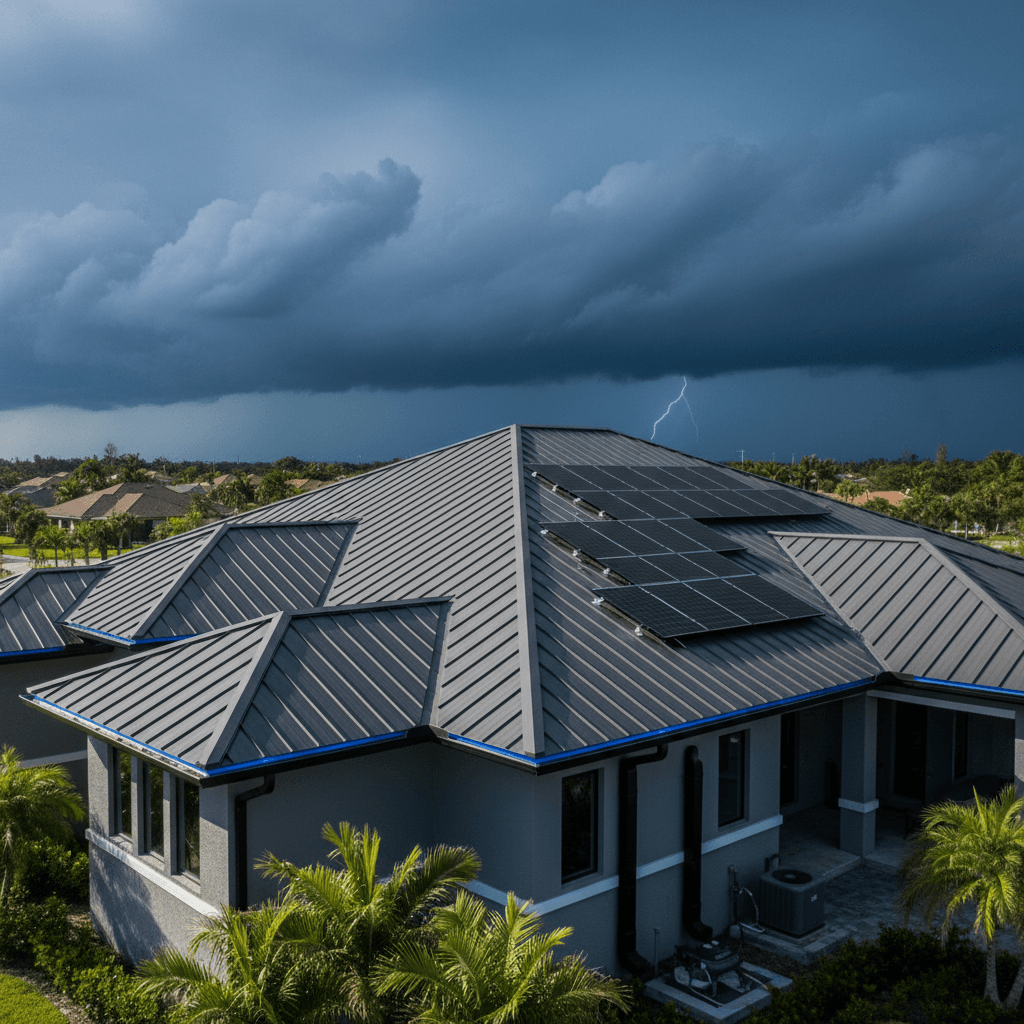
Understanding Florida's Hurricane Season: June 1st to November 30th
Here in Florida, we live in paradise, but paradise comes with its own set of challenges. One of the biggest is hurricane season. Every year, it officially kicks off on June 1st and runs all the way through November 30th. That’s a full six months when we’ve got to keep our eyes on the tropics, as the National Hurricane Center (NHC) reminds us. As property owners, it’s not just about knowing the dates; it's about understanding what they truly mean for your home, your business, and your peace of mind.
I've spent years on roofs, inspecting damage, and helping folks put their lives back together after storms. We've seen firsthand how a little bit of proactive planning can save a whole lot of heartache and expense down the road. This isn't about fear-mongering; it's about empowering you with the knowledge to protect your most valuable assets. Let's talk about what you really need to do.
The Proactive Property Owner's Playbook: Before the Storm Hits
For us at Krüger Disaster Recovery Team, hurricane season isn't just a calendar entry; it's a reminder to double down on vigilance. The best defense is always a good offense, and that means getting your property ready long before a storm even has a name. Think of it like maintaining your car – you don't wait for a breakdown to get an oil change.
1. The Roof: Your First Line of Defense
Your roof is the most vulnerable part of your home during a hurricane. High winds, torrential rain – they're all looking for a weak spot. We've seen too many instances where minor issues, left unaddressed, turn into major insurance claims after a storm. Before June 1st, or at least early in the season, get a professional roof inspection. Look for:
- Missing, cracked, or curled shingles: These are easy entry points for water and weak spots for wind to grab onto.
- Loose flashing: Around chimneys, vents, and skylights, flashing protects vulnerable seams.
- Clogged gutters: Gutters need to divert water away from your foundation. Clogs mean water pools and can cause rot or overflow into your eaves.
- Sagging areas: Could indicate structural issues or water damage already at play.
In Florida, the sun and humidity also take a toll on roofing materials, accelerating wear and tear. A robust, properly installed roof, built to Florida's stringent building codes, is your best friend when the winds pick up.
2. Secure Your Property's Perimeter
It's not just the roof. Walk around your property and think like a hurricane. What could become a projectile? What could fail under pressure?
- Windows and Doors: Check seals and frames. Consider hurricane shutters or impact-resistant windows if you don't have them. Even plywood is better than nothing.
- Landscaping: Trim dead or weak branches from trees. Secure anything that can blow away – patio furniture, trash cans, grills.
- Gutters and Downspouts: Beyond just clearing them, make sure they're firmly attached and direct water far away from your foundation.
- Fences: Check for loose posts or panels. A damaged fence isn't just an eyesore; it's a security risk.
Document Everything: Your Insurance Claim Lifeline
This is crucial, and it’s where many property owners fall short. Before hurricane season really gets going, you need a comprehensive record of your property's current condition. Trust me, when you're dealing with insurance adjusters after a storm, detailed documentation is gold.
1. Photos and Videos
Walk through every room, take clear photos and videos. Pay attention to ceilings, walls, floors, and personal belongings. Do the same for the exterior: roof, siding, windows, landscaping. Date-stamp everything. Store these records in the cloud or on an external drive you can take with you if you evacuate. The clearer your 'before' picture, the easier it is to prove 'after' damage.
2. Inventory of Valuables
Beyond the structure, list significant personal property. Electronics, appliances, furniture, jewelry. Include make, model, serial numbers, and approximate value. Keep receipts if you have them.
3. Review Your Insurance Policy
This isn't light reading, but it's essential. Understand your deductible (especially your hurricane deductible, which can be a percentage of your home's value, not a fixed dollar amount), your coverage limits, and what's excluded. Know whether you have Actual Cash Value (ACV) or Replacement Cost Value (RCV) for your personal property. If you have questions, call your agent *now*, not when a storm is bearing down.
When the Storm Hits: Immediate Actions and What Comes Next
During the storm, your priority is safety. Follow evacuation orders, and if you're sheltering in place, stay away from windows. Once the storm passes, the real work begins.
1. Safety First, Then Assess
Don't rush back into a damaged area if it's not safe. Watch for downed power lines, gas leaks, and structural instability. Once it's safe, do a preliminary assessment of damage. Take photos and videos of *everything* immediately after the storm, even if it seems minor. Small leaks can become big problems quickly in Florida's humidity.
2. Temporary Repairs
You have a duty to mitigate further damage. This means putting tarps on damaged roofs, boarding up broken windows, and drying out wet areas as quickly as possible. Keep all receipts for materials and labor. Don't make permanent repairs until your insurance adjuster has seen the damage, but make sure to protect your property from worsening.
3. Contact Your Insurance Company
File your claim as soon as you can. Provide them with your documentation. This is where those 'before' photos become invaluable.
Navigating the Insurance Claim Process
This is where many property owners feel overwhelmed. Dealing with insurance adjusters can be complex. They work for the insurance company, not for you. Their job is to assess the damage from their company's perspective.
We've seen this play out hundreds of times. Sometimes, initial assessments can miss critical damage, especially hidden water intrusion or subtle structural issues. That’s why having a trusted, local contractor on your side, like the Krüger Disaster Recovery Team, makes a huge difference. We understand Florida building codes (which often require entire roof replacement even for localized damage if the roof doesn't meet current standards), we know what adjusters look for, and more importantly, what they might overlook.
We can help you:
- Understand the scope of damage.
- Communicate effectively with your insurance company.
- Ensure all covered damages are properly accounted for in the claim.
- Oversee quality repairs that meet or exceed Florida building codes, ensuring your property is actually better protected for the next storm.
Don't be afraid to ask questions. Don't feel rushed into signing anything you don't understand. This is your property, your investment, and you have every right to ensure it's restored properly.
The Florida Reality: Beyond the Claim
Living in Florida means embracing the weather. Our building codes are designed to make homes more resilient against hurricanes, but they're only effective if adhered to during construction and repairs. Humidity, salt air, and intense sun also mean that damage can manifest differently or accelerate over time if not addressed promptly and correctly. That's why quality repairs, done by experienced, local professionals, are not just about fixing what's broken, but about reinforcing your property for the future.
The Atlantic hurricane season is a serious reminder of our unique environment. But with the right preparation and the right team, you can navigate it with confidence. We're here to help.
Stay safe out there. If you have questions or need a pre-season property assessment, don't hesitate to give us a call.

Written by
Gus Kruger
CEO at Krüger
Gus Kruger is the founder and CEO of Krüger Disaster Recovery Team, a Florida-based company specializing in emergency property protection, roofing, and fencing. Since 2016, Gus has built the company from a one-man roof tarp operation into a full-service team of 50+ professionals, serving over 30,000 properties across Florida and the Southeast U.S. A preferred vendor for major insurance carriers, BBB A+ rated, and licensed & insured, Gus leads Krüger with a hands-on approach rooted in fast response, honest work, and long-term property solutions.