
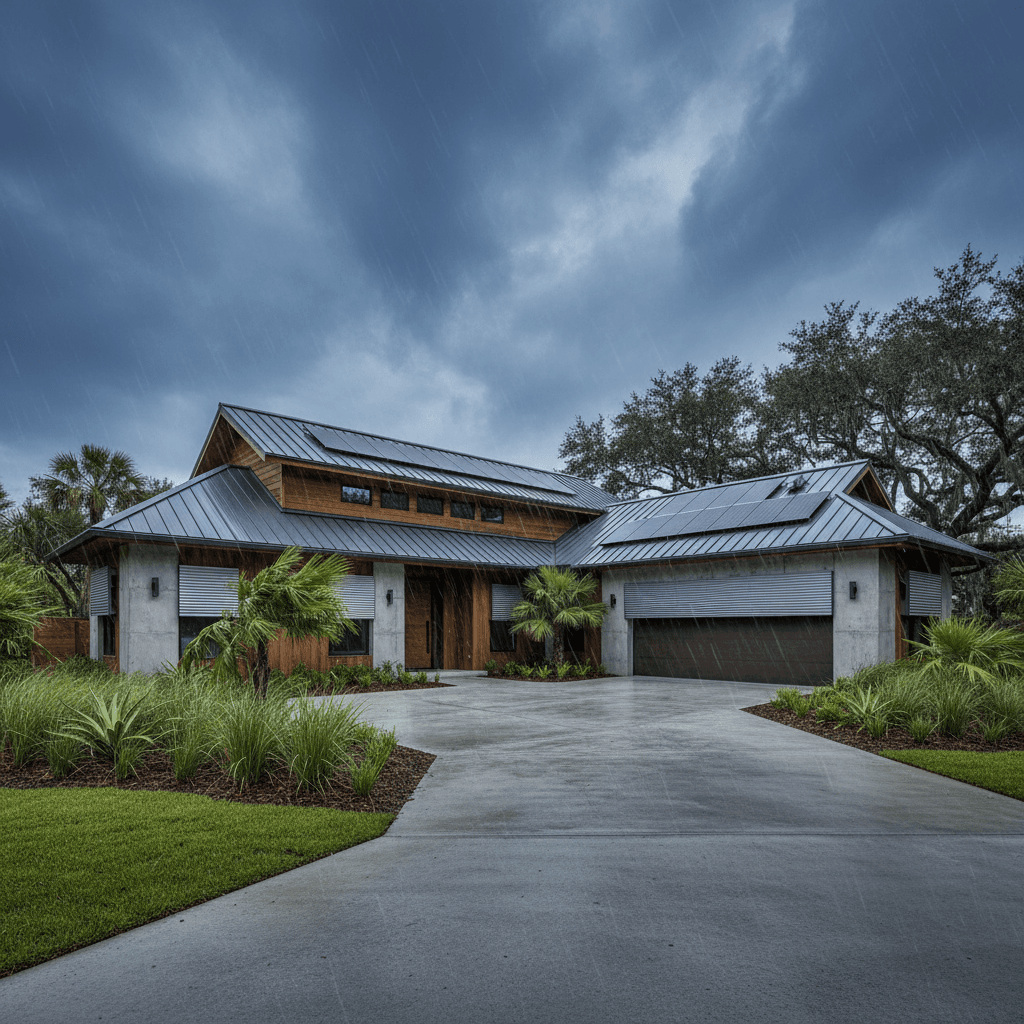
Florida Hurricane Season: Are You Truly Ready?
Here in Florida, hurricane season isn't just a date on the calendar; it's a way of life, running officially from June 1st to November 30th. Every year, as the temperatures climb and the tropical waves start to roll off Africa, the conversation inevitably turns to preparedness. As Gus Kruger, founder of Krüger Disaster Recovery Team, I've seen firsthand what these storms can do – and more importantly, what proper preparation can prevent.
We're not talking about fear-mongering here. We're talking about protecting your property, your investment, and your peace of mind. After countless calls for emergency repairs, hundreds of insurance claims navigated, and rebuilding efforts across the state, we’ve learned that the biggest difference between a minor headache and a major disaster often comes down to proactive steps taken long before the storm makes landfall.
Understanding Florida's Hurricane Season
Florida is, quite frankly, ground zero for hurricane activity. While the official season runs for six months, we typically see the most intense activity from August through October. It's not just about named hurricanes; tropical storms can bring immense rainfall and damaging winds, leading to significant property damage, widespread power outages, and flooding. According to the National Hurricane Center (NHC), even a Category 1 hurricane can cause significant damage to well-built homes, especially those not up to current Florida Building Codes.
Beyond the Forecast: The Real Impact
When a storm hits, it's not just the wind you have to worry about. Heavy rainfall can lead to localized flooding, even far inland. Storm surge is a coastal nightmare. And the humidity post-storm? That's a breeding ground for mold if water intrusion isn't addressed immediately. We’ve been there, pulling out soaked drywall and battling mold growth that started just days after a roof leak. Knowing these risks means you can prepare for them.
Your Property's First Line of Defense: The Roof
If there's one part of your home that takes the brunt of a hurricane, it's the roof. It's your primary shield against wind, rain, and debris. Neglecting your roof before storm season is like going into battle without armor – you're just asking for trouble.
Pre-Season Roof Inspection: Don't Wait
Before the real heat of summer kicks in, you should have your roof professionally inspected. This isn't just a quick glance from the ground. A good inspection, like the ones we offer, involves checking for loose or missing shingles, deteriorated flashing around chimneys and vents, clogged gutters, and any signs of wear and tear that could become a weak point under stress. Remember, even a small crack or loose shingle can be the entry point for water that can lead to extensive interior damage.
Florida Building Codes and Your Roof
Florida has some of the most stringent building codes in the nation for a good reason. After Hurricane Andrew in 1992, the state completely revamped its standards, leading to the Florida Building Code. For roofs, this means specific requirements for things like secondary water barriers, proper nailing patterns, and wind-resistant materials. If your roof is older, it might not meet current codes, which can impact both its performance during a storm and your insurance coverage. Upgrading to a code-compliant roof with proper wind mitigation can not only protect your home better but also save you money on your insurance premiums in the long run.
Navigating Insurance Claims Before and After a Storm
Your homeowner's insurance policy is your lifeline when disaster strikes. But understanding it before a storm is critical. We've helped countless homeowners navigate the often-confusing world of insurance claims, and trust me, knowing your policy details upfront makes a huge difference.
Know Your Policy: Before the Storm Hits
Take the time to review your policy with your agent. Understand your deductibles, especially your hurricane deductible, which is often a percentage of your home's insured value, not a flat dollar amount. Clarify what's covered for wind damage versus flood damage – these are typically separate policies. The Florida Office of Insurance Regulation offers resources to help consumers understand their coverage. Knowing these details prevents surprises when you need to file a claim.
Document Everything: Post-Storm Essentials
If your property is damaged, documentation is key. As soon as it's safe, take extensive photos and videos of all damage, both exterior and interior. Don't throw anything away that's damaged until your adjuster has seen it. Keep a detailed log of all communication with your insurance company. This evidence is invaluable when making your case for a fair settlement.
Working with Adjusters and Contractors
When your home is damaged, the insurance adjuster's job is to assess the damage for the insurance company. Our job, at Krüger Disaster Recovery Team, is to work with you to ensure that all damage is properly identified and documented for your claim. We speak their language, understand the processes, and advocate on your behalf to ensure you get a fair and comprehensive settlement to properly repair your home. We've seen hundreds of adjusters and hundreds of different situations, and our experience ensures nothing is overlooked.
Beyond the Roof: Securing Your Entire Property
While the roof is critical, your entire property needs attention to withstand a hurricane.
Practical Tips for Homeowners
- Windows and Doors: Invest in impact-resistant windows or sturdy hurricane shutters. Plywood is a last resort, but make sure it's cut to size and pre-drilled.
- Outdoor Objects: Secure or bring inside anything that can become a projectile – patio furniture, grills, trash cans, even decorative items.
- Trees and Landscaping: Trim dead or weak branches from trees. Clear your yard of potential debris. Blocked storm drains can lead to localized flooding.
- Emergency Kit: Have a kit ready with water, non-perishable food, flashlights, batteries, first-aid supplies, and important documents. FEMA's Ready.gov site has excellent checklists.
The Krüger Difference: Your Trusted Partner
When a storm hits, you need a team you can trust – a team that understands Florida, its unique challenges, and how to get your property back to normal quickly and efficiently. We've built our reputation on real results, hustling to provide top-notch service and protecting our clients' investments. We're not just contractors; we're your neighbors, here to help when you need it most.
Don't wait until a named storm is heading our way to think about your property's defenses. Take action now. Proactive steps today can save you immense stress, time, and money tomorrow.
Is your property truly ready for what this hurricane season might bring? Let’s find out together.
Call Krüger Disaster Recovery Team today for a free, no-obligation roof inspection. We'll help you assess your vulnerabilities and prepare for whatever comes our way.

Written by
Gus Kruger
CEO at Krüger
Gus Kruger is the founder and CEO of Krüger Disaster Recovery Team, a Florida-based company specializing in emergency property protection, roofing, and fencing. Since 2016, Gus has built the company from a one-man roof tarp operation into a full-service team of 50+ professionals, serving over 30,000 properties across Florida and the Southeast U.S. A preferred vendor for major insurance carriers, BBB A+ rated, and licensed & insured, Gus leads Krüger with a hands-on approach rooted in fast response, honest work, and long-term property solutions.