
When the Wind Whispers, or Roars: Understanding Tropical Depression Probabilities
Here in Florida, we live with the reality of hurricane season. It’s not a matter of 'if,' but 'when' and 'how strong.' Often, the big, named hurricanes get all the headlines, but folks often forget about the smaller systems – the tropical depressions and storms. Believe me, even these can pack enough punch to cause serious wind damage that can hit your wallet hard.
We, at Krüger Disaster Recovery Team, have seen this hundreds of times. A system that doesn't even get a name can still rip off shingles, send fences flying, and turn screen enclosures into confetti. That's why keeping an eye on things like wind speed probability graphics from the National Hurricane Center (NHC) is absolutely vital, even for something that seems minor, like a developing Tropical Depression Two. These aren't just for the meteorologists on TV; they're critical tools for property owners like you and me.
What Do Those Wind Speed Probability Graphics Really Tell You?
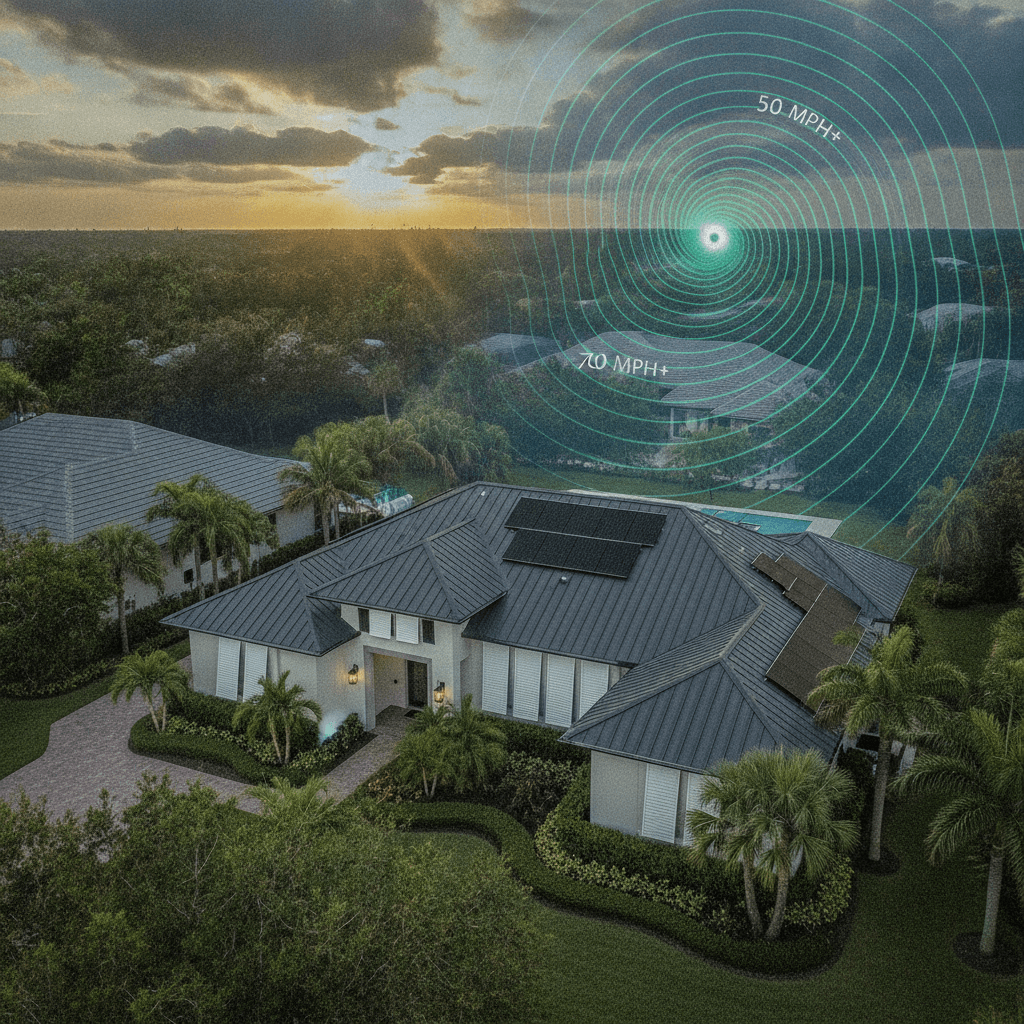
When you look at a graphic like the one showing Wind Speed Probabilities – perhaps for a system like Tropical Depression Two last updated on a Sunday afternoon – you're seeing a forecast of the likelihood that your property will experience sustained winds of certain speeds. Usually, these graphics focus on tropical storm force winds (39-73 mph) and hurricane force winds (74+ mph).
- It's about probability, not certainty: A 30% chance of tropical storm force winds doesn't mean you're safe; it means there's a significant chance. It's like flipping a coin, but with higher stakes.
- Understanding the timeline: These graphics often show probabilities for different timeframes – 24 hours, 48 hours, 72 hours, etc. This helps you gauge your preparation window.
- Location, location, location: The probabilities are tied to specific geographical areas. Pay close attention to how your home or business falls within those colored zones.
These graphics are a heads-up, a warning bell that says, "Hey, pay attention!" They give you the chance to act proactively, rather than react frantically when the wind is already howling.
The Real Meaning of 'Wind Damage' for Your Property
When we talk about wind damage, most people immediately think of their roof. And sure, roofs are critical. Shingles get lifted, fasteners loosen, and even entire sections can peel back, leaving your home vulnerable to water intrusion. But it's so much more than that:
- Gutters and Fascia: High winds can tear these right off your house, leading to expensive repairs and potentially directing water where it shouldn't go.
- Fences and Gates: A gust can snap posts, warp panels, and turn your sturdy fence into splinters.
- Screen Enclosures: Pool cages and screened lanais are incredibly vulnerable. We've seen them completely collapse from winds that weren't even hurricane force.
- Landscaping and Trees: Falling branches can crush vehicles, damage roofs, and take out power lines. Even smaller debris becomes projectiles in strong winds.
- Siding and Soffits: Wind can peel back siding, allowing water to get into your walls and attic, leading to mold and structural issues down the line.
The secondary damage from water leaking through a compromised roof or wall can often be far more extensive and costly than the initial wind damage itself. That’s why proper preparation is key.
Proactive Steps: Protecting Your Investment Before the Gusts Hit
So, you've seen the wind speed probabilities going up for your area. What do you do? Don't wait until the last minute. Here's what we recommend:
- Secure Loose Items: This is the simplest and most effective first step. Bring in patio furniture, trash cans, toys, garden decor – anything that can become a projectile. Stow away anything that can fly or roll.
- Trim Trees and Clear Debris: If you have large trees, especially older ones, consider having them professionally trimmed well before hurricane season. Remove dead or weak branches that could break off. Clear gutters and downspouts of leaves and debris so they can function properly. The Florida Building Code, particularly newer additions, emphasizes robust construction, but even the strongest home can be damaged by a falling tree.
- Inspect Your Roof (or Have Us Do It): A small, unnoticed issue can become a major disaster in strong winds. Look for loose or missing shingles, cracks, or signs of wear. If you’re not comfortable on a ladder, call a professional. We can spot potential vulnerabilities that you might miss.
- Review Your Insurance Policy: Understand your deductibles, especially your hurricane deductible, and what your policy covers for wind and water damage. Take photos or videos of your property *before* the storm as proof of its condition. The Florida Department of Financial Services offers resources on understanding your policy.
- Board Up or Shutter Windows: If the probabilities are high for significant winds, don't just rely on impact-resistant windows. Install your hurricane shutters or board up windows and glass doors. This is critical for protecting the weakest points of your home's envelope.
The Insurance Claim Journey: Post-Storm Realities
After a storm, especially one with significant wind, navigating the insurance claim process can be daunting. We’ve guided countless homeowners through this:
- Document Everything: As soon as it's safe, take extensive photos and videos of all damage *before* any cleanup or temporary repairs. This is your evidence.
- Temporary Repairs: Make temporary repairs to prevent further damage (e.g., tarping a damaged roof). Keep all receipts for materials.
- Contact Your Insurer: File your claim promptly. Be prepared to provide your documentation.
- Get Professional Assessments: This is where we come in. Before you fully commit to your insurer's assessment, have a qualified contractor inspect your property. We can identify all damage, visible and hidden, and provide a detailed estimate. Sometimes, carrier adjusters might miss things, or interpret policy language differently. Having an expert on your side ensures you get a fair assessment for all your property damage claims.
Remember, your insurance company works for them, but a reputable contractor works for you. We help ensure your property is restored correctly and completely.
Florida’s Unique Challenges and Building Codes
Here in Florida, our building codes are among the toughest in the nation for good reason. They're designed to help homes withstand the incredible forces of hurricanes and tropical storms. However, not all homes are built to the same standards:
- Age of Home: Older homes, built before stricter codes came into effect (like those post-Hurricane Andrew), may be more vulnerable.
- Permitting and Inspections: Any significant repairs or improvements to your roof or structure should always be done with proper permitting and inspections to ensure they meet current standards and enhance your home's resilience.
- Maintenance Matters: Even the best-built home needs regular maintenance. A well-maintained roof, for example, is far more likely to withstand strong winds than one that's neglected.
When you hire a contractor, make sure they understand and comply with Florida’s specific building codes. It's not just about passing inspection; it's about your long-term safety and the integrity of your investment.
Don't Wait for the Wind to Decide Your Fate
Whether it’s a major hurricane or just a tropical depression with a 40% chance of significant winds, preparedness is your best defense. Interpreting those NHC wind speed probability graphics correctly and taking action based on them can save you thousands in repairs and countless headaches.
We believe in empowering property owners with knowledge and practical solutions. If you're unsure about the readiness of your roof or property for the next tropical system, or if you just want peace of mind, give us a call. We offer free, no-obligation property inspections. It's better to know where you stand *before* the wind starts to howl.

Written by
Gus Kruger
CEO at Krüger
Gus Kruger is the founder and CEO of Krüger Disaster Recovery Team, a Florida-based company specializing in emergency property protection, roofing, and fencing. Since 2016, Gus has built the company from a one-man roof tarp operation into a full-service team of 50+ professionals, serving over 30,000 properties across Florida and the Southeast U.S. A preferred vendor for major insurance carriers, BBB A+ rated, and licensed & insured, Gus leads Krüger with a hands-on approach rooted in fast response, honest work, and long-term property solutions.