
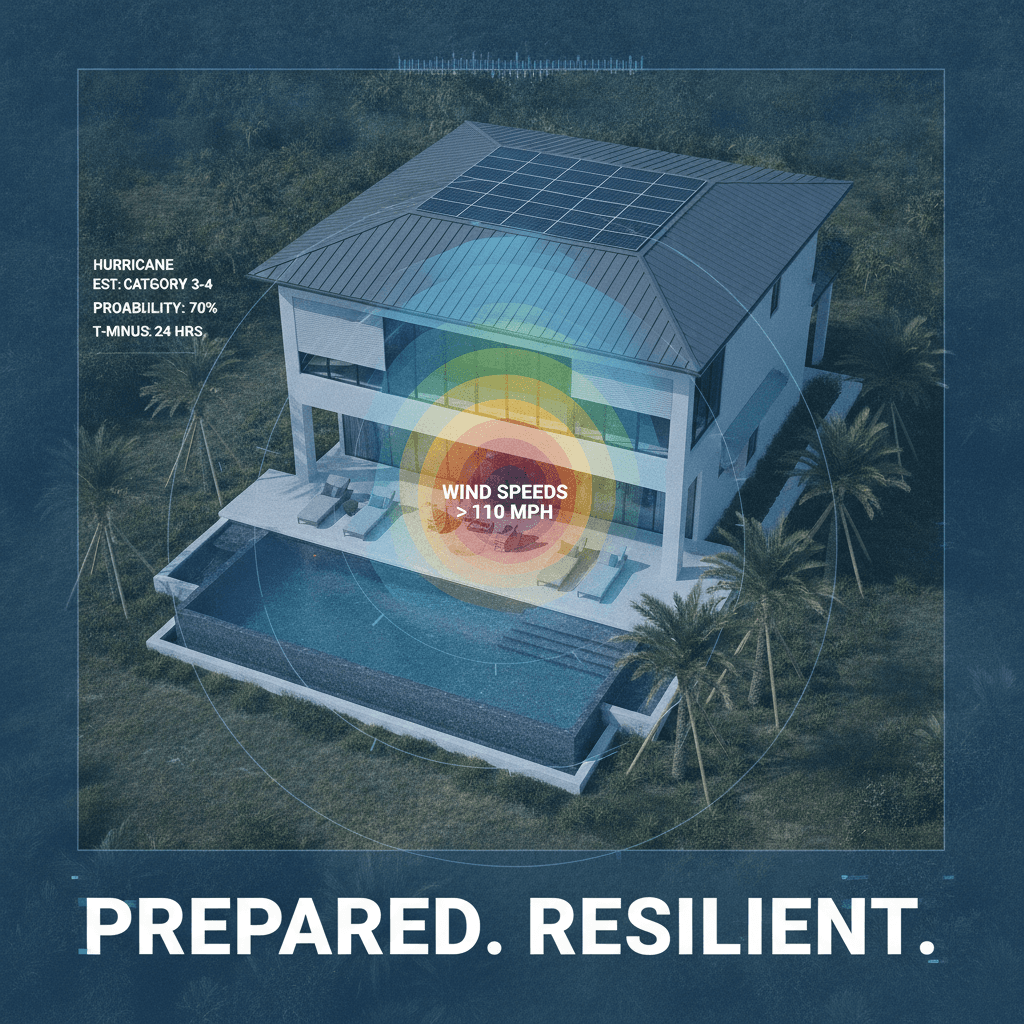
When the Wind Whispers: Understanding NOAA's Probability Graphics
Down here in Florida, we live with the understanding that Mother Nature can throw some serious curveballs, especially during hurricane season. Tropical depressions, tropical storms, hurricanes — they all bring wind, and wind is what causes a good chunk of the damage we see year after year. As a property owner, seeing those updates from the National Hurricane Center (NHC) is part of our routine. When you see graphics showing things like wind speed probabilities, perhaps for a system like Tropical Depression Cristobal, updated on a specific day, it’s not just noise. It’s vital information that, if understood correctly, can save you a lot of grief and money.
We’ve been in this business a long time, and we've seen firsthand what happens when folks don't fully grasp what these wind speed probability graphics are telling them. It’s not about fear-mongering; it's about being prepared and making smart decisions when the stakes are high. That’s why I want to talk about how to read these graphics and what those probabilities truly mean for your home or business.
What Do Those Wind Speed Probabilities Really Mean?
When the NHC releases graphics like the Wind Speed Probabilities – say, for a system like Tropical Depression Cristobal – they're giving us a look at the likelihood of certain wind speeds hitting your area. These aren't just guesses; they're the result of complex modeling and historical data, designed to help us understand risk.
- Probability of Tropical Storm Force Winds (39-73 mph): This tells you the percentage chance that your location will experience winds strong enough to be classified as a tropical storm. At these speeds, you’re looking at potential damage to screens, fences, gutters, and even some shingle lift on older or compromised roofs.
- Probability of Hurricane Force Winds (74+ mph): This is the big one. If your area has a significant probability here, you need to be taking serious action. Hurricane-force winds can cause widespread structural damage, compromise roofing systems entirely, shatter windows, and bring down trees.
A higher percentage means a higher chance, plain and simple. If your area shows a 60% chance of tropical storm force winds, it means there's a significant likelihood you'll be dealing with more than just a breezy day. It's a call to action, not just a weather report. For us Floridians, it means securing loose items, checking your hurricane shutters, and reviewing your emergency plan. It's about taking proactive steps based on solid data.
Typical Wind Damage We See in Florida
In our experience at Krüger Disaster Recovery Team, wind damage comes in many forms, and even seemingly minor systems can pack a punch. We've seen hundreds of roofs damaged by winds that weren't even hurricane-force. Here's a breakdown of what we commonly encounter:
- Roof Damage: This is often the most significant and costly. High winds can lift, tear, or completely remove shingles, tiles, or metal panels. Once your roof's protective layer is compromised, water intrusion becomes an immediate threat, leading to interior damage, mold, and rot. Even a small crease in a shingle can allow water to seep in over time, causing hidden damage that only shows up later.
- Siding and Soffit Damage: Vinyl or aluminum siding can detach or crack under strong gusts. Soffits – the underside of your roof's overhang – are particularly vulnerable and, if torn away, expose your attic to wind-driven rain and pests.
- Window and Door Breaches: While modern Florida Building Codes require impact-resistant windows or coverings in many areas, older homes may still be at risk. Flying debris, propelled by strong winds, can shatter glass, allowing wind and water to rush into your home.
- Fences and Outbuildings: These structures often bear the brunt of tropical storm winds, easily collapsing or breaking apart. While not attached to your main home, repairs can still be expensive.
- Tree and Debris Damage: Falling trees and branches are a huge concern. They can damage roofs, vehicles, and power lines. Strong winds also pick up loose items from around your yard – or your neighbor’s yard – turning them into dangerous projectiles.
It's not just the direct hit, either. Sustained wind can create negative pressure that literally tries to lift your roof off your house. And let's not forget the constant humidity we battle here; any tiny breach in your home’s envelope after a storm quickly becomes a breeding ground for mold if not addressed immediately.
Preparing Your Property for Wind Events
Understanding the forecast is only the first step. The real work is in the preparation. Here’s what we always recommend:
- Trim Trees and Secure Loose Items: Before hurricane season, get those branches away from your house. Clear your yard of anything that can become a projectile – patio furniture, garbage cans, toys.
- Inspect Your Roof: Regularly check your roof for loose, cracked, or missing shingles. If you spot anything, get it fixed. A small repair now can prevent catastrophic damage later. We offer free inspections, and it’s always better to know where you stand.
- Review Your Insurance Policy: Understand your deductibles, especially for wind damage. Know what's covered and what's not. Don't wait until after the storm to find out you're underinsured or confused about the claims process. Resources like the Florida Department of Financial Services offer valuable consumer guides.
- Prepare for Power Outages: Have a plan for food, water, and communication.
After the Storm: What to Do About Wind Damage
So, the storm has passed, and you suspect you have wind damage. This is where getting it right from the start is critical. Here’s our advice:
- Prioritize Safety: Don't climb on a damaged roof yourself. Look for downed power lines. Assess the situation from a safe distance.
- Document Everything: Take photos and videos of all visible damage – inside and out – as soon as it's safe. The more documentation you have, the smoother your insurance claim process will be.
- Prevent Further Damage: If you have a clear hole in your roof, temporary tarping can prevent water intrusion. This is often covered by your insurance, but make sure to document these emergency repairs.
- Contact Your Insurance Company: File your claim promptly. Be ready with your documentation.
- Call a Reputable Contractor: This is where we come in. Call Krüger Disaster Recovery Team. We specialize in assessing wind damage, understanding Florida building codes, and working with insurance adjusters. We’ll provide a thorough inspection, explain the damage in plain language, and help you navigate the entire repair and recovery process. We speak their language, so you don’t have to.
We know how overwhelming it can feel when your property is damaged. That’s why we’re here – to be your trusted partner, from the initial assessment to the final repair. We'll make sure your property is restored properly, built to withstand the next Florida storm.
Don’t let those wind probability graphics catch you off guard. Be informed, be prepared, and know who to call when you need expert help. If you have any concerns about your roof's condition or want a free, no-obligation inspection before the next system forms, give Krüger Disaster Recovery Team a call today.

Written by
Gus Kruger
CEO at Krüger
Gus Kruger is the founder and CEO of Krüger Disaster Recovery Team, a Florida-based company specializing in emergency property protection, roofing, and fencing. Since 2016, Gus has built the company from a one-man roof tarp operation into a full-service team of 50+ professionals, serving over 30,000 properties across Florida and the Southeast U.S. A preferred vendor for major insurance carriers, BBB A+ rated, and licensed & insured, Gus leads Krüger with a hands-on approach rooted in fast response, honest work, and long-term property solutions.