
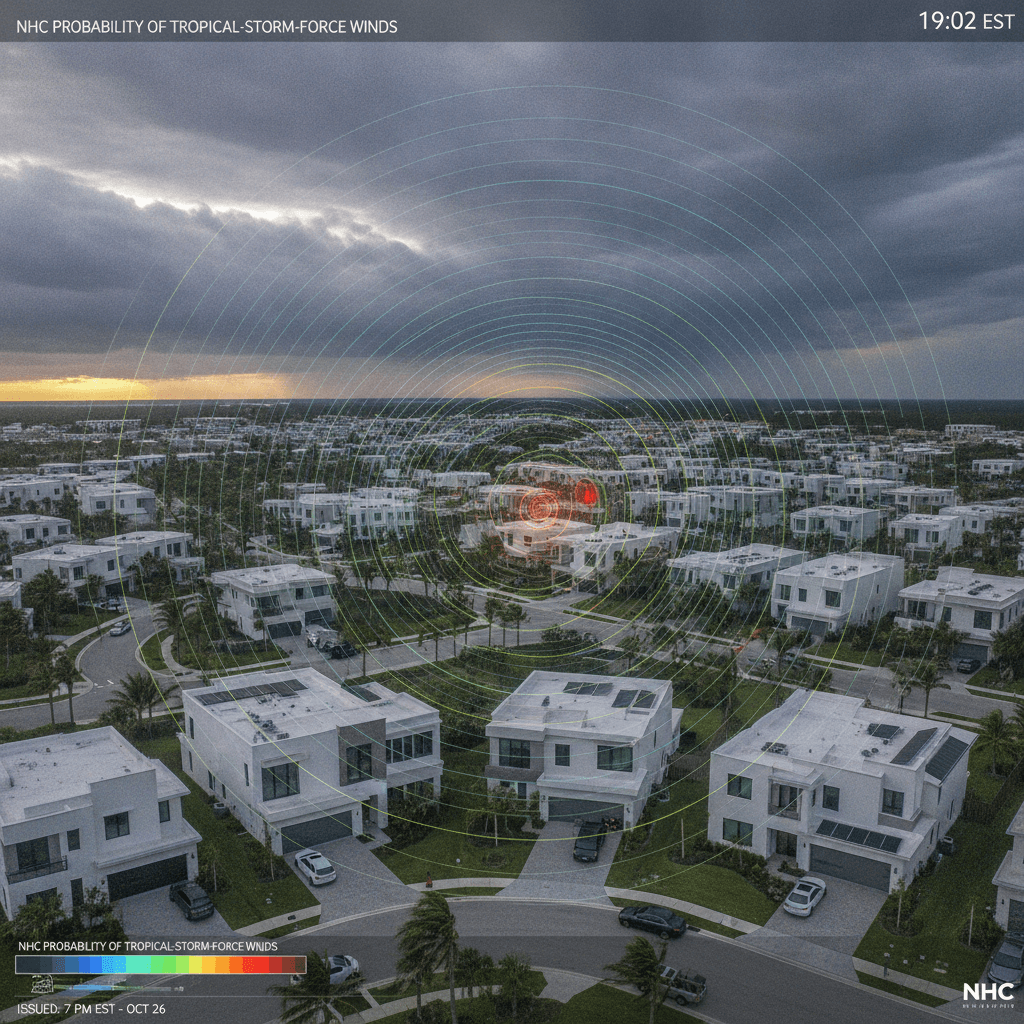
Navigating Florida's Storm Season: Understanding Wind Speed Graphics
Here in Florida, we live in paradise, but that comes with a yearly dance with tropical weather. When a system like Tropical Storm Bertha makes an appearance on the radar, folks often just look at the cone. But the real meat and potatoes for property owners are in the details, especially those wind speed probability graphics from folks like the National Hurricane Center (NHC). We’ve seen this play out hundreds of times – the better you understand what’s coming, the better you can protect your home and business.
You might have seen updates, like the one for Bertha last updated on Wednesday, July 22, 2026, at 15:23:00 GMT, showing where the wind speeds are most likely to hit certain thresholds. These aren't just squiggly lines; they’re vital clues. They tell you the *probability* – the chance – that your specific area will experience sustained tropical storm-force winds (39-73 mph) or even hurricane-force winds (74+ mph). Knowing this isn't about fear; it's about smart, informed preparation.
What Those Wind Probabilities Really Mean for Your Property
When the NHC issues these wind speed probabilities, it's not just a guessing game. It's based on extensive data, models, and years of experience. For us, operating in the thick of it, these graphics are a roadmap. A 60% chance of tropical storm-force winds means you absolutely need to finalize your preparations. A lower percentage doesn't mean you ignore it, but it helps prioritize actions. Understanding these numbers means you can make informed decisions about securing outdoor furniture, boarding up windows, or even deciding whether to evacuate, based on *your specific risk*.
Tropical storm-force winds might not sound as scary as a Category 5 hurricane, but let me tell you, they do plenty of damage. We’ve seen countless roofs ripped apart, fences flattened, and significant water intrusion from what were 'just' strong tropical storms. The uplift and lateral forces from even sustained 50-60 mph winds are enough to peel back shingles, compromise soffits and fascias, and turn loose items into dangerous projectiles. Add in the torrential rain that often accompanies these storms, and you’ve got a recipe for serious water damage once your roof integrity is compromised.
Before the Storm: Your First Line of Defense Against Wind Damage
Here’s the deal: once those winds start whipping, it’s too late to prepare. Prevention is always cheaper than recovery. Based on our extensive experience across Florida, here’s what you should be doing when these wind probability graphics start showing your area in the crosshairs:
- Secure Loose Items: Anything outdoors that isn't bolted down can become a missile. Patio furniture, grills, trash cans – bring them inside or strap them down tight.
- Trim Trees: Dead or weak branches are a major liability. A proactive trim can save your roof from a falling limb. This is especially crucial in Florida with our mature trees and sandy soil.
- Inspect Your Roof: Seriously, walk around and look at your roof. Are there any loose shingles? Cracked tiles? Pre-existing damage will only get worse. If you're unsure, a quick professional inspection can identify vulnerabilities.
- Review Your Insurance Policy: Understand your deductibles, especially your hurricane deductible (which is often a percentage, not a flat dollar amount, for wind damage). Know what’s covered and what isn’t. Don't wait until you're filing a claim to read the fine print.
- Document Your Property: Take photos and videos of your home's exterior and interior *before* the storm. This is gold if you need to file an insurance claim. It provides undeniable proof of pre-storm condition.
After the Storm: Navigating the Recovery and Insurance Process
So, the storm has passed, and you’re assessing the damage. This is where a clear head and a solid plan come into play. Your priority is always safety first, but quickly after that, it's about protecting your investment.
- Safety First: Check for downed power lines, gas leaks, and structural instability before entering damaged areas.
- Prevent Further Damage: If your roof is compromised, get a tarp on it ASAP to prevent rain from causing more interior damage. This is often a requirement from your insurance provider to mitigate further loss. We can help with emergency tarping.
- Document, Document, Document: Just like before the storm, take extensive photos and videos of all damage. The more detail, the better for your insurance claim.
- Contact Your Insurance Company: Report the claim as soon as you are safe to do so. They'll assign an adjuster to assess the damage.
- Work with a Trusted Partner: This is where Krüger Disaster Recovery Team comes in. We’ve been through this countless times. We understand Florida building codes – which are some of the strictest in the nation due to hurricane threats – and we know how to deal with insurance adjusters. Our job is to make sure your property is restored correctly and that your claim is handled fairly. We're on your side, ensuring everything from initial assessment to final repairs meets the highest standards, especially considering Florida's unique challenges like humidity and intense sun.
Dealing with tropical storm damage is stressful, but you don't have to do it alone. The key is to be proactive before the storm and strategic after. Understanding those wind probability graphics from the NHC is the first step in being ready for whatever Mother Nature throws our way.
The Krüger Difference: Your Local Experts
We’re not just contractors; we're Floridians who understand the specific challenges our climate presents. From the initial damage assessment to guiding you through the often-complex insurance claim process, and finally to expertly restoring your property to pre-loss condition or better – we handle it all. We pride ourselves on transparent communication, quality craftsmanship, and advocating for our clients' best interests.
Don't let the next tropical storm catch you off guard. If you have any concerns about your property's readiness or need assistance after a storm, give us a call. We're here to help protect your biggest investment.

Written by
Gus Kruger
CEO at Krüger
Gus Kruger is the founder and CEO of Krüger Disaster Recovery Team, a Florida-based company specializing in emergency property protection, roofing, and fencing. Since 2016, Gus has built the company from a one-man roof tarp operation into a full-service team of 50+ professionals, serving over 30,000 properties across Florida and the Southeast U.S. A preferred vendor for major insurance carriers, BBB A+ rated, and licensed & insured, Gus leads Krüger with a hands-on approach rooted in fast response, honest work, and long-term property solutions.