
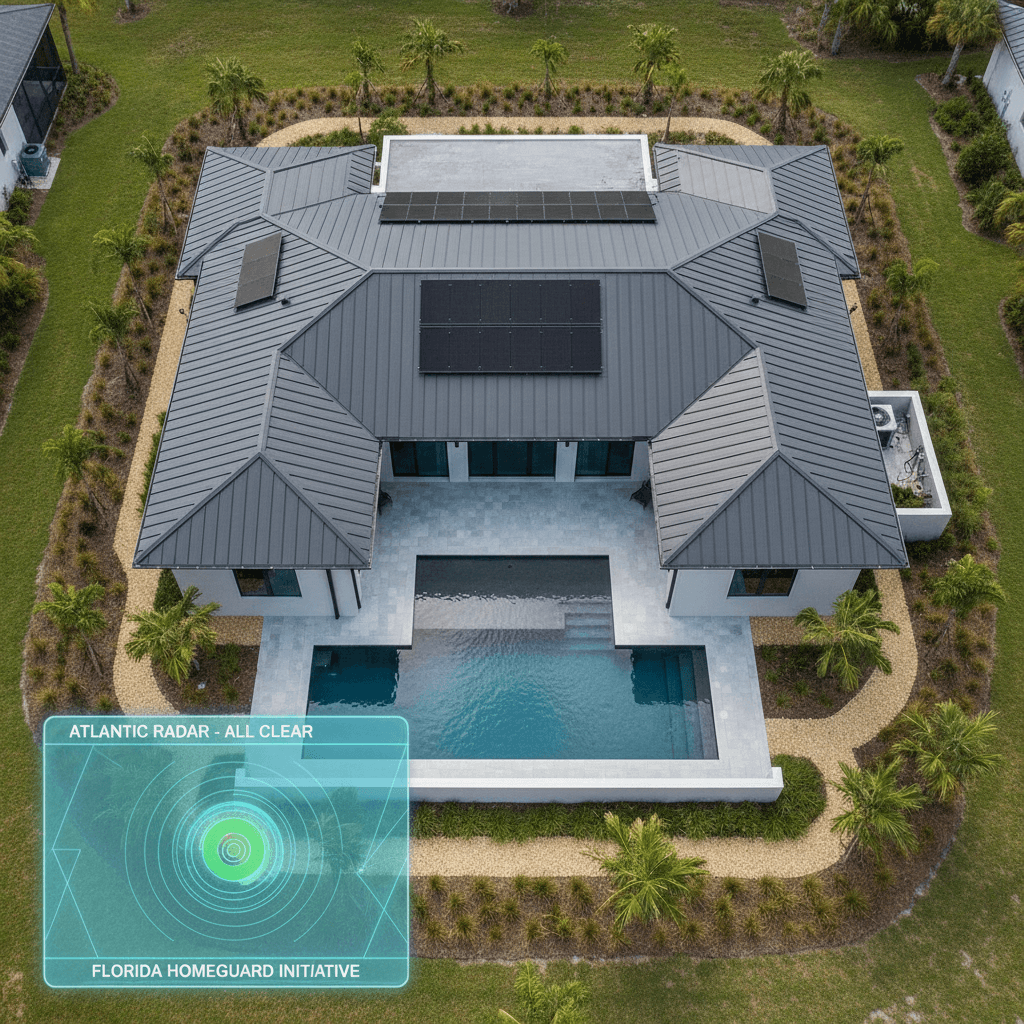
A Brief Calm Before the Storm: Understanding the Atlantic Outlook
Alright folks, Gus Kruger here. Just checking in on the tropical weather outlook, something we keep a close eye on here at Krüger Disaster Recovery Team. The National Hurricane Center over at NOAA recently put out their latest update for the North Atlantic, Caribbean Sea, and Gulf of Mexico. As of May 26, 2026, 8 PM EDT, Forecasters Papin/Adams are saying no tropical cyclone formation is expected for the next 7 days. You can always check the most current outlook directly on the NHC website.
Now, that sounds like good news, right? And it absolutely is, for the short term. Any day without a named storm heading our way is a good day in Florida. But here in the Sunshine State, we know better than to get complacent. That 'next 7 days' outlook doesn't mean a whole lot when it comes to the bigger picture of hurricane season. It's like seeing a clear sky and thinking you don't need a roof – it just doesn't make sense. True preparedness means looking beyond the immediate forecast.
Hurricane Season: The Florida Reality Check
For those of us who live and work here, hurricane season isn't just a calendar event; it's a way of life. Officially, it runs from June 1st to November 30th, and anyone who's lived here for more than a minute knows how quickly things can change. One minute it's calm, the next you're watching the spaghetti models on TV and boarding up windows. We've seen this hundreds of times: a quiet start to the season can suddenly explode with activity. Relying solely on a short-term forecast to dictate your preparedness is a gamble you don't want to take with your most valuable asset.
The threat of **hurricane damage** isn't just about direct hits. Even a glancing blow from a tropical storm or a powerful squall during the rainy season can cause significant problems. High winds, torrential rain, and the sheer humidity that follows can create a perfect storm for roof leaks, water intrusion, and even mold growth if not addressed quickly. That's why being proactive about property maintenance is paramount.
Your Roof: The First Line of Defense Against Severe Weather
Think of your roof as the helmet for your home. It’s what stands between your family and the elements, especially during **severe weather**. We often say a healthy roof is your first line of defense against not just hurricanes, but also the daily grind of Florida's sun, heat, and pop-up thunderstorms. Small issues, like a few loose shingles or a cracked tile, might seem minor on a sunny day. But under the stress of 60 mph winds and sideways rain, those small issues turn into major vulnerabilities, allowing water to penetrate your attic and ceiling, causing interior damage.
Here at Krüger Disaster Recovery Team, we've seen countless homeowners face unnecessary stress and expenses because they waited until a storm was imminent. Don't wait until a named storm is bearing down on us to start thinking about your roof. That's a recipe for headaches and bigger problems down the line. Regular inspections are critical, allowing you to catch minor issues before they become catastrophic and incredibly costly.
Understanding Your Insurance: Don't Get Caught Off Guard
Another crucial piece of the preparedness puzzle is understanding your homeowner's insurance policy. Many folks in Florida learn this the hard way, only after a major event like Hurricane Ian or Irma. Your policy is designed to protect you, but you need to know what it covers, what your deductibles are (especially the separate hurricane deductible), and what documentation you'll need if you have to file a claim. The Florida Department of Financial Services offers excellent resources for understanding your policy and what to do after a storm.
We always advise our clients to review their policy annually. Take photos or videos of your home's exterior and interior, especially your roof, *before* any damage occurs. This 'before' documentation is invaluable if you need to file an insurance claim after **hurricane damage**. It helps establish the condition of your property and prevents disputes with adjusters down the road. We've often helped homeowners navigate complex claims processes, and having clear documentation from the start makes a world of difference.
Florida Building Codes: Why They Matter More Than Ever
Florida's building codes are among the strictest in the nation, and for good reason. They are continuously updated in response to lessons learned from past hurricanes, making our homes more resilient. When we talk about roofing, adherence to these codes, such as those set by the Florida Building Commission, isn't just about legality; it's about structural integrity and protection. If your roof was installed before newer codes came into effect, or if repairs were done improperly, your home might be more vulnerable than you think.
During a period of calm weather, it’s the perfect time to ensure your property meets current standards or to upgrade components that might be outdated. This proactive approach significantly reduces your risk of extensive **hurricane damage** and potentially speeds up recovery after a storm. It’s an investment in your peace of mind and the longevity of your home.
Beyond the Forecast: Practical Steps for Every Florida Homeowner
- Regular Roof Inspections: Even with no storms on the horizon, have your roof professionally inspected. We can spot potential weaknesses before they become active leaks.
- Trim Trees and Clear Gutters: Overhanging branches are projectile hazards in high winds. Clogged gutters lead to water pooling, which can damage your fascia, soffit, and even your foundation.
- Secure Loose Items: From patio furniture to trash cans, anything that can fly in a strong wind should be secured or stored indoors.
- Review Your Emergency Plan: Discuss with your family what you'll do if a storm approaches. Where will you go? What essentials will you take? FEMA provides excellent guides on hurricane preparedness.
- Understand Your Insurance: As mentioned, know your policy inside and out. Don't wait for a claim to learn the details.
The calm tropical weather outlook is a welcome reprieve, but it's important to remember that it's just a snapshot in time. The overarching reality of **hurricane season** in Florida demands constant vigilance and proactive preparation. Knowledge is power. Being prepared means you can focus on your family's safety when the time comes, instead of scrambling to protect your biggest investment.
Here at Krüger Disaster Recovery Team, we're always here to help. Don't leave your home's integrity to chance. If you have any concerns about your roof's condition or want to discuss your property's readiness for whatever this hurricane season brings, give us a call for a free, no-obligation inspection. We're your neighbors, and we're here to ensure your property stands strong.

Written by
Gus Kruger
CEO at Krüger
Gus Kruger is the founder and CEO of Krüger Disaster Recovery Team, a Florida-based company specializing in emergency property protection, roofing, and fencing. Since 2016, Gus has built the company from a one-man roof tarp operation into a full-service team of 50+ professionals, serving over 30,000 properties across Florida and the Southeast U.S. A preferred vendor for major insurance carriers, BBB A+ rated, and licensed & insured, Gus leads Krüger with a hands-on approach rooted in fast response, honest work, and long-term property solutions.