Beyond the Buzz: Preparing Your Florida Property for the *Real* Storms
 Gus Kruger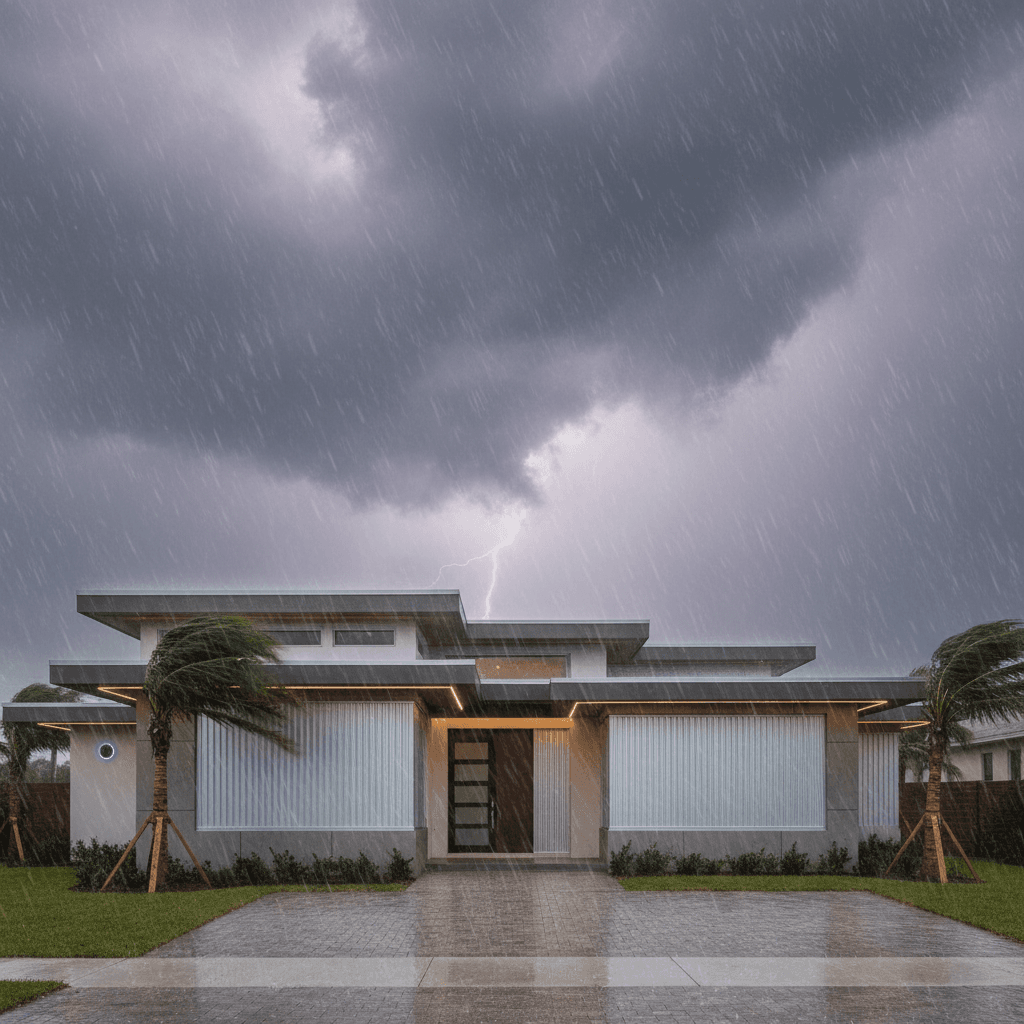
When the Real Storm Hits: Protecting Your Florida Property from Nature's Fury
Folks are always talking about new 'storms' shaking up industries or taking the world by storm – whether it's new technology or economic shifts. And sure, those things matter. But here in Florida, when we hear 'storm,' we're thinking about something entirely different. We're thinking about those churning tropical depressions, those hurricanes building strength in the Atlantic, and the very real impact they have on our homes, businesses, and communities. As someone who's spent years helping property owners pick up the pieces and rebuild, I can tell you that the *real* storms – the ones with wind, rain, and flooding – demand our serious attention and preparation.
The Florida Reality: Living with the Threat
Living in Florida is a dream for many, but it comes with a unique set of challenges. We're on the front lines when hurricane season rolls around. From June to November, it's not a question of 'if' but 'when' and 'where' the next big one might hit. We’ve seen firsthand the devastation powerful storms like Hurricane Ian, Irma, and Charley can inflict. It’s not just the immediate chaos; it’s the lingering humidity that invites mold, the constant sun beating down on our roofs, and the specific Florida Building Codes that dictate how we build and repair to stand a chance against these forces.
Understanding this reality isn't about fear-mongering; it's about empowering yourself with knowledge. It’s about being prepared so that when the radar shows that swirl heading our way, you’re not caught off guard. You've got a plan, and you know what to do to protect your biggest investments.
Proactive Measures: Your Best Defense
The best defense against storm damage is always a good offense. Here’s where you start:
- Roof Integrity is Non-Negotiable: Your roof is your first line of defense. High winds will find any weak spot. Are your shingles old, curling, or missing? Are there branches overhanging that could fall? We recommend regular inspections – ideally twice a year – to catch small issues before they become catastrophic in a storm. A professional inspection can spot loose shingles, damaged flashing, or granular loss that indicates an aging roof ready to give out.
- Window and Door Protection: Don't wait for a storm warning to figure out your shutters. Test them annually. If you have plywood, ensure it's cut to size and you have the hardware ready. Impact-resistant windows are a significant upgrade and a smart investment for long-term peace of mind.
- Yard Cleanup: Anything that can become a projectile needs to be secured or brought inside. That includes patio furniture, grills, trash cans, and even decorative items. Trees should be trimmed well in advance, removing dead or weak branches that could snap and cause damage.
- Understand Your Insurance Policy – BEFORE the Storm: This is huge. Don't wait until you're filing a claim to read your policy. What's your deductible for wind, hail, or hurricane damage? Is there a separate deductible for flood insurance? What's excluded? Knowing these details upfront will save you massive headaches and potential financial surprises down the road. We’ve seen countless clients surprised by clauses they never knew existed. Talk to your agent, get clarity, and don't be afraid to ask questions. The Florida Office of Insurance Regulation offers resources to help you understand your rights and policy options.
When a Storm Hits: First Steps After the Wind Dies Down
Once the immediate danger has passed, your focus shifts to safety and assessment. Remember, safety first! Don't go inspecting a damaged roof yourself if it's unsafe. Wait for professionals.
- Document, Document, Document: This cannot be stressed enough. Take photos and videos of *everything*. Before the storm, take pictures of your property in good condition. After the storm, document all damage extensively. Get close-ups, wide shots, and even drone footage if possible. This visual evidence is invaluable when filing an insurance claim and dealing with adjusters.
- Temporary Repairs: If safe to do so, make temporary repairs to prevent further damage, like tarping a damaged roof. Keep all receipts for materials. However, don't make permanent repairs until your insurance company has had a chance to assess the damage, unless it’s absolutely necessary to prevent further loss.
- Beware of Scams: After a major storm, a lot of out-of-state, fly-by-night contractors will flood the area. They often make big promises, demand upfront cash, and disappear. We've seen this hundreds of times. Always work with local, reputable contractors with a proven track record, proper licensing, and good reviews. Ask for references and verify their credentials.
Navigating the Insurance Claim: Why You Need an Advocate
Filing a property insurance claim can feel like navigating a maze, especially when you're already stressed from the damage. This is where a trusted partner like Krüger Disaster Recovery Team truly makes a difference. Our experience on hundreds of claims means we know the ropes:
- Initial Reporting: We can help guide you through the initial steps of reporting your claim to your insurance company, ensuring all necessary information is provided accurately.
- Working with Adjusters: Insurance adjusters work for the insurance company. Their job is to assess the damage and determine what the company will pay. Our job is to represent *your* best interests. We conduct our own thorough damage assessment, often uncovering hidden damage that a quick walk-through might miss. We make sure nothing is overlooked and that your claim accurately reflects the full extent of the damage.
- The “Supplemental Claim” Reality: It's common for initial estimates to miss things. Damage isn't always obvious immediately, or further issues might arise during the repair process. We are adept at submitting supplemental claims to ensure all necessary repairs are covered, fighting for fair compensation on your behalf. Our goal, aligned with FEMA's guidance on flood preparedness, is to help you recover fully.
- Knowledge of Building Codes: Florida's building codes are complex and often updated after major storms. We ensure that your repairs are not just 'fixed' but brought up to current code, which is crucial for both safety and future insurability.
Long-Term Maintenance: Protecting Your Investment Beyond the Claim
Recovery isn't just about getting your repairs done; it's about protecting your property for the long haul. Florida's high humidity means constant vigilance against mold, even after a minor leak. Regular maintenance, including periodic roof and exterior inspections, can prevent small issues from turning into major problems. Investing in quality materials and proper installation ensures your property is more resilient against future storms, adding value and peace of mind.
Don't wait for the next hurricane to get serious about protecting your property. Be proactive, understand your risks, and have a trusted team in your corner. We're here for Florida property owners, because we're Florida property owners too. Give us a call for a free property assessment – let’s make sure you’re ready for whatever Mother Nature throws our way.

Written by
Gus Kruger
CEO at Krüger
Gus Kruger is the founder and CEO of Krüger Disaster Recovery Team, a Florida-based company specializing in emergency property protection, roofing, and fencing. Since 2016, Gus has built the company from a one-man roof tarp operation into a full-service team of 50+ professionals, serving over 30,000 properties across Florida and the Southeast U.S. A preferred vendor for major insurance carriers, BBB A+ rated, and licensed & insured, Gus leads Krüger with a hands-on approach rooted in fast response, honest work, and long-term property solutions.