Atlantic Tropical Weather Outlook: What Remnants Mean for Florida
 Gus Kruger
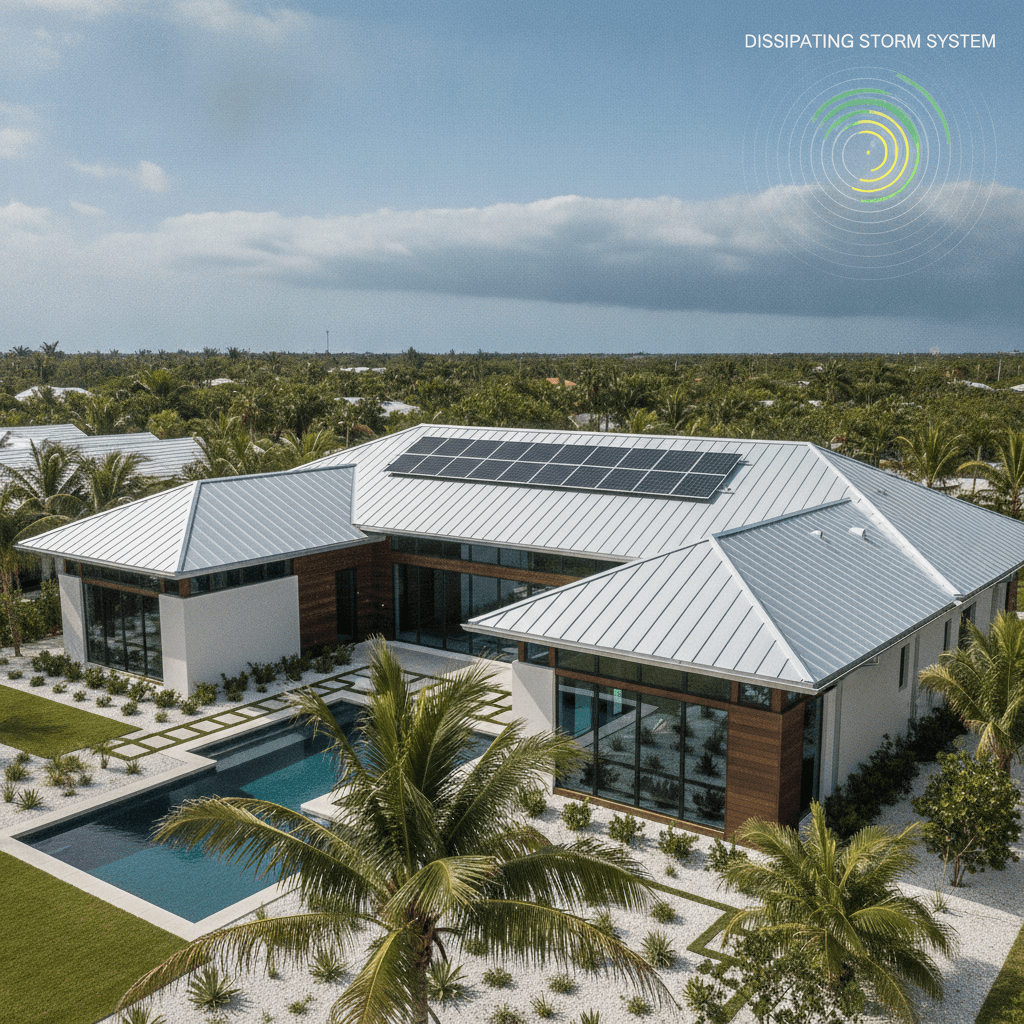
Atlantic Tropical Weather Outlook: Don't Underestimate "Remnants"
Down here in Florida, when the National Hurricane Center (NHC) issues its Atlantic Tropical Weather Outlook, we pay close attention. It's not just the named hurricanes that demand respect; sometimes, the systems that seem to be fading away can still pack a punch. Take the recent mention of the remnants of Dolly east of the Leeward Islands, for example, described with "disorganized showers and thunderstorms." Sounds harmless enough, right? Trust me, as someone who’s seen countless storms and helped countless property owners recover, there’s no such thing as a truly harmless tropical system when you live in a state as vulnerable as ours.
Here at Krüger Disaster Recovery Team, we've seen firsthand what these 'disorganized' systems can do. They might not have the dramatic eye or the terrifying wind speeds of a Category 3 hurricane, but they bring their own set of challenges, especially for our properties and infrastructure.
Beyond the Name: Understanding Tropical Threats
When the NHC talks about a system's remnants, it often means the organized circulation has diminished, but the moisture and instability are still very much present. For Florida, this translates to a few key concerns:
- Heavy Rainfall: Even a disorganized system can dump massive amounts of rain. This can lead to flash flooding, overwhelmed drainage systems, and water intrusion into homes and businesses. We've seen entire neighborhoods become lakes from systems that were barely a tropical storm.
- Gusty Winds: While not hurricane-force, sustained tropical storm-force gusts can still cause tree limb damage, power outages, and exacerbate existing weaknesses in roofing or siding.
- Coastal Impacts: Depending on the system's path, even weak tropical systems can generate dangerous rip currents and minor coastal flooding, especially in low-lying areas.
- Hidden Damage: The insidious nature of these events is that the damage isn't always immediately obvious. Wind gusts can lift shingles, allowing water to penetrate later. Heavy rain can find its way into attics through compromised flashing or clogged gutters, leading to mold and rot weeks down the line.
Florida's Unique Vulnerability
Our state's geography, combined with our tropical climate, makes us particularly susceptible. The flat terrain means water has nowhere to go. Our high humidity creates a perfect breeding ground for mold if water intrusion isn't addressed quickly. And with hurricane season running strong, we're in the thick of it.
Proactive Property Protection: Your Best Defense
So, what can a Florida property owner do when faced with the reality of our tropical weather outlook? Proactivity is key. Here’s what we always recommend:
1. Roof Inspection and Maintenance
Your roof is your first line of defense. Before any severe weather even hints at approaching, get a professional inspection. We're looking for:
- Loose or missing shingles.
- Cracked or brittle tiles.
- Compromised flashing around vents, chimneys, and skylights.
- Clogged or damaged gutters, which can cause water to back up and seep into your eaves or fascia.
- Any signs of previous storm damage that might have gone unnoticed.
Even small issues can become major leaks during heavy rainfall. Florida's building codes are robust for a reason, but maintenance is key to ensuring your roof continues to meet those standards.
2. Clear Your Property
Loose items in your yard become projectiles in high winds. Trim dead or weak tree branches that could fall on your roof or power lines. Secure anything that can blow away – outdoor furniture, trash cans, toys.
3. Prepare for Water
Ensure your gutters and downspouts are clear and directing water away from your foundation. Check your windows and doors for any gaps or old seals that could allow water to penetrate. Consider having sandbags on hand if your area is prone to flooding.
Navigating the Aftermath: Insurance Claims and Recovery
Should your property suffer damage, even from a 'disorganized' system, understanding your insurance policy and knowing how to file a claim is paramount.
1. Document Everything
Before and after the storm, take photos and videos of your property. This documentation is invaluable for your insurance claim. We've helped countless clients through this process, and the more evidence you have, the smoother it often goes.
2. Understand Your Policy
Florida insurance policies can be complex, especially concerning wind versus water damage, deductibles, and specific exclusions. Review your policy with your agent *before* a storm hits. Know your rights and what's covered.
3. Work with Trusted Professionals
When damage occurs, you need a team that understands not just construction and repair, but also the insurance claim process. We work directly with adjusters to ensure all damage is properly assessed and documented. Our experience means we know what to look for – those hidden issues that a quick glance might miss – and how to communicate that effectively to your insurance company. This includes addressing the critical issue of water intrusion that can lead to mold, a common and costly problem in Florida if not handled quickly.
Peace of Mind in Paradise
Living in Florida means embracing the beauty of the tropics, but also respecting its power. By staying informed through sources like the NHC and taking proactive steps, you can significantly reduce your risk and protect your investment. Don't let the term "remnants" lull you into a false sense of security; vigilance is a year-round job here.
If you're ever in doubt about the integrity of your roof or the overall preparedness of your property for Florida's severe weather, don't wait. Give us a call at Krüger Disaster Recovery Team. We offer free, no-obligation property inspections to give you that much-needed peace of mind.

Written by
Gus Kruger
CEO at Krüger
Gus Kruger is the founder and CEO of Krüger Disaster Recovery Team, a Florida-based company specializing in emergency property protection, roofing, and fencing. Since 2016, Gus has built the company from a one-man roof tarp operation into a full-service team of 50+ professionals, serving over 30,000 properties across Florida and the Southeast U.S. A preferred vendor for major insurance carriers, BBB A+ rated, and licensed & insured, Gus leads Krüger with a hands-on approach rooted in fast response, honest work, and long-term property solutions.