Atlantic Tropical Weather Outlook: Preparing Your Florida Property
 Gus Kruger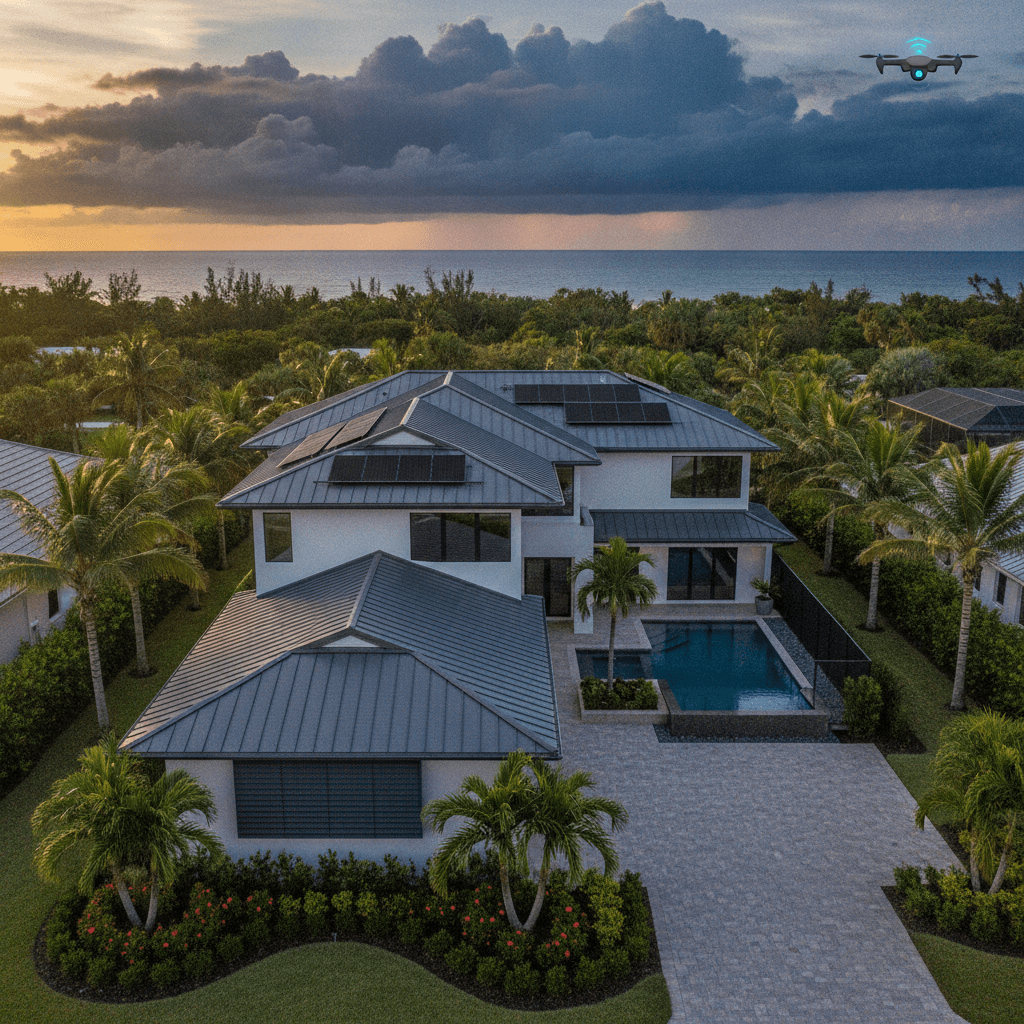
Keeping an Eye on the Tropics: What Every Florida Homeowner Needs to Know
Down here in Florida, watching the Tropical Weather Outlook from the National Hurricane Center (NHC) isn't just a habit; it's a critical part of owning property. When the NHC flags a tropical wave like the one currently brewing southeast of the Cabo Verde Islands, it's a reminder that hurricane season is in full swing, and we need to be ready for whatever the Atlantic throws our way.
I’m Gus Kruger, and for years, my team and I at Krüger Disaster Recovery have been helping folks across Florida pick up the pieces and rebuild after storms. We've seen firsthand how quickly a seemingly distant system can intensify and change course, bringing heavy rains, strong winds, and significant damage right to our doorsteps. This isn't about fear-mongering; it's about being informed and taking smart, proactive steps.
Understanding Tropical Waves and What They Mean for You
A tropical wave is essentially an elongated area of relatively low air pressure, moving from east to west across the Atlantic. These waves are the seedlings from which tropical depressions, tropical storms, and hurricanes often grow. While the current system might be far out, it's a signal. It tells us that the conditions are right, and the potential is there for development.
In our experience, even a tropical storm, which doesn't get the same headlines as a Category 3 hurricane, can wreak havoc. Persistent heavy rain can lead to widespread flooding, and winds of 40-70 mph can tear off shingles, damage fences, and bring down trees. For a state like Florida, with its unique geography and aging infrastructure in some areas, preparation isn't optional – it's a necessity.
Your Pre-Storm Checklist: Protecting Your Investment
Preparation isn't just boarding up windows when a storm is hours away. It’s an ongoing process throughout hurricane season. Here's what we recommend to safeguard your property:
- Roof Inspection and Maintenance: Your roof is your first line of defense. Get a professional inspection annually. We've seen hundreds of roofs with small issues – a loose shingle, a cracked tile – that become major leaks or even complete roof failures under tropical storm winds. Make sure gutters are clear to handle heavy Florida downpours, channeling water away from your foundation.
- Secure Loose Items: Anything outdoors that isn't bolted down can become a projectile in high winds. Patio furniture, grills, trash cans, and even decorative items need to be brought inside or securely tied down.
- Trim Trees and Clear Debris: Overhanging branches are a huge liability. Get them trimmed well before a storm threatens. Clear your yard of any loose branches or yard waste that could clog drains or become wind-borne missiles.
- Review Your Insurance Policy: This is crucial. Understand your deductibles, especially for wind and hurricane damage. Know what's covered and what isn't. Take photos or videos of your property, inside and out, before any damage occurs. This documentation is invaluable if you need to file a claim.
- Emergency Kit Ready: Have non-perishable food, water, medications, flashlights, batteries, and a weather radio. Power outages are common, and you might be without electricity for days.
During the Storm: Safety First
Once a storm is upon us, your priority shifts from property protection to personal safety. Stay indoors, away from windows, and follow the instructions from local emergency management. If you lose power, use battery-operated lights, and avoid going outside until the storm has fully passed and authorities declare it safe.
After the Storm: Assessing Damage and Navigating Claims
The immediate aftermath of a storm can be chaotic, but taking the right steps can make a world of difference in your recovery process:
Document Everything
As soon as it's safe, thoroughly inspect your property. Take copious photos and videos of all damage, both exterior and interior. Document everything from missing shingles and fence damage to water intrusion and downed trees. This comprehensive record will be essential for your insurance claim. Don't throw away damaged items before your insurance adjuster has had a chance to see them.
Contact Your Insurance Provider Promptly
The sooner you report your claim, the better. Insurance companies often have a large volume of claims after a major storm, and getting your claim in early can help streamline the process. Be prepared to provide them with your policy number and the details of the damage you've observed.
Be Wary of Storm Chasers
Unfortunately, after every storm, unverified contractors, often from out of state, descend on affected areas. These storm chasers often make big promises but deliver shoddy work, demand upfront payment, or disappear before the job is done. Always work with local, reputable contractors like us who are licensed, insured, and have a proven track record in Florida. Ask for references and check their credentials.
Working with Your Adjuster
Your insurance adjuster's role is to assess the damage and determine the scope of repairs covered by your policy. Be present during their inspection if possible and provide them with all the documentation you've collected. If you disagree with their assessment, or if the repairs are more complex, don't hesitate to seek expert advice. We often work directly with adjusters to ensure that all damage is properly identified and fairly compensated, adhering to Florida's specific building codes and requirements.
Here in Florida, the weather is part of life. By staying informed, preparing your property, and knowing the right steps to take after a storm, you empower yourself to protect your home and your investment. Don't wait until a named storm is bearing down on us – get prepared today. If you have any concerns about your roof's integrity or need advice on storm preparedness, give us a call. We're always here to help.

Written by
Gus Kruger
CEO at Krüger
Gus Kruger is the founder and CEO of Krüger Disaster Recovery Team, a Florida-based company specializing in emergency property protection, roofing, and fencing. Since 2016, Gus has built the company from a one-man roof tarp operation into a full-service team of 50+ professionals, serving over 30,000 properties across Florida and the Southeast U.S. A preferred vendor for major insurance carriers, BBB A+ rated, and licensed & insured, Gus leads Krüger with a hands-on approach rooted in fast response, honest work, and long-term property solutions.