
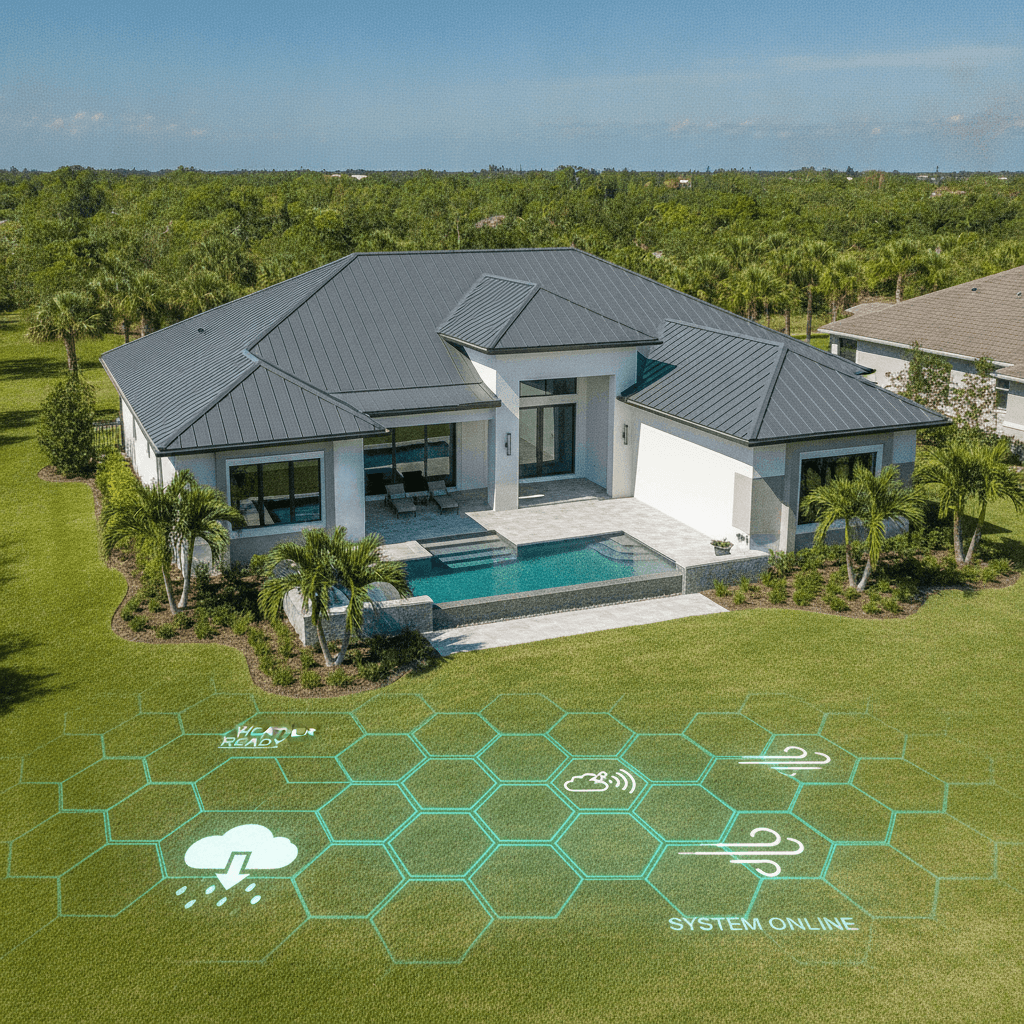
A Brief Respite, But Florida's Hurricane Season Never Truly Rests
Got some good news from the National Hurricane Center this morning. According to their Tropical Weather Outlook, they're not expecting any tropical cyclone formation in the North Atlantic, Caribbean Sea, or Gulf of Mexico over the next seven days. As someone who's spent decades building and repairing properties in Florida, I can tell you that any stretch of quiet weather is welcome news for homeowners and businesses alike. It gives us all a chance to breathe a little easier, at least for now.
But here's the kicker: for those of us living in Florida, a calm week doesn't mean we can let our guard down. We're still deep in hurricane season, and anyone who's been through a few cycles knows how quickly things can change. The tropics can go from placid to problematic in a heartbeat. That's why I always tell folks: preparedness isn't about panicking when a storm is bearing down; it's about making smart decisions when the skies are clear.
Understanding Your Property's Vulnerability Before the Storm Hits
Your property, especially your roof, is your first line of defense against the relentless Florida weather. From the scorching sun and torrential daily downpours to the full-blown tropical storms and hurricanes we face, your roof takes a beating. Even if we're not expecting a named storm this week, those everyday conditions cause wear and tear. Small leaks can develop, shingles can lift, and flashing can corrode. These aren't just minor annoyances; they're potential entry points for serious damage when a stronger system eventually rolls through.
That's why proactive maintenance is crucial. We've seen countless times how a small, unaddressed issue—something easily fixed during a quiet spell—turns into a catastrophic failure during a squall. The humidity and heat here amplify problems, turning minor water intrusions into mold nightmares in a matter of days. Regular inspections, even when you don't think you have a problem, can save you thousands down the line and a whole lot of headache.
Insurance Claims: Don't Wait Until It's Too Late
Talking about saving money, let's talk insurance. Your homeowner's policy is there to protect your investment, but understanding what it actually covers is key. Many folks only pull out their policy when damage has already occurred, and by then, it can be too late to clarify specific coverages or deductibles. Take advantage of this quiet period to review your policy. Do you understand your wind deductible? What about coverage for secondary damage, like mold caused by a roof leak? Are you covered for temporary repairs?
If you have questions, call your agent now, not when you're scrambling to make a claim. Document your property with photos and videos when it's in good shape. This creates a baseline that's invaluable if you ever need to file a claim. We work with adjusters all the time, and clear documentation makes their job easier and often leads to a smoother claims process for you. It's about empowering yourself with knowledge and preparation.
Practical Steps You Can Take Right Now
Since we have this welcome break from immediate tropical threats, here are a few actionable steps you can take around your property:
- Inspect Your Roof (or get it inspected): Look for loose, cracked, or missing shingles. Check your gutters for clogs and make sure they're securely attached. Examine flashing around chimneys, vents, and skylights for any signs of wear. If you're not comfortable on a ladder, call a professional. A free inspection could identify issues before they become expensive problems.
- Clear Your Yard: Trim back overgrown trees and shrubs that could become projectiles in high winds. Secure or store any loose outdoor items like patio furniture, grills, or decorations.
- Review Your Emergency Plan: Do you have a family communication plan? Is your emergency kit stocked with fresh water, non-perishable food, batteries, and first-aid supplies? Even if a major hurricane isn't imminent, power outages can happen with any strong thunderstorm. Check out resources from FloridaDisaster.org for comprehensive planning guides.
- Document Your Property: Walk around your home, inside and out, with your phone. Take detailed photos and videos of your roof, exterior walls, windows, and the interior. This visual record is invaluable for insurance claims.
The Kruger Difference: Proactive Protection
At Krüger Disaster Recovery Team, we've seen it all. From minor leaks to full-scale roof replacements after a Cat 5. My experience taught me that preventing damage is always better than reacting to it. This quiet period in the Atlantic isn't a sign to relax your vigilance; it's an opportunity to strengthen your defenses. It's about protecting your home, your family, and your investment.
Don't wait for the next named storm to appear on the horizon. Take action now. If you have any concerns about your roof's condition or just want a professional to give your property a thorough look-over, give us a call. We're here to help you stay ahead of the weather, not just recover from it.

Written by
Gus Kruger
CEO at Krüger
Gus Kruger is the founder and CEO of Krüger Disaster Recovery Team, a Florida-based company specializing in emergency property protection, roofing, and fencing. Since 2016, Gus has built the company from a one-man roof tarp operation into a full-service team of 50+ professionals, serving over 30,000 properties across Florida and the Southeast U.S. A preferred vendor for major insurance carriers, BBB A+ rated, and licensed & insured, Gus leads Krüger with a hands-on approach rooted in fast response, honest work, and long-term property solutions.